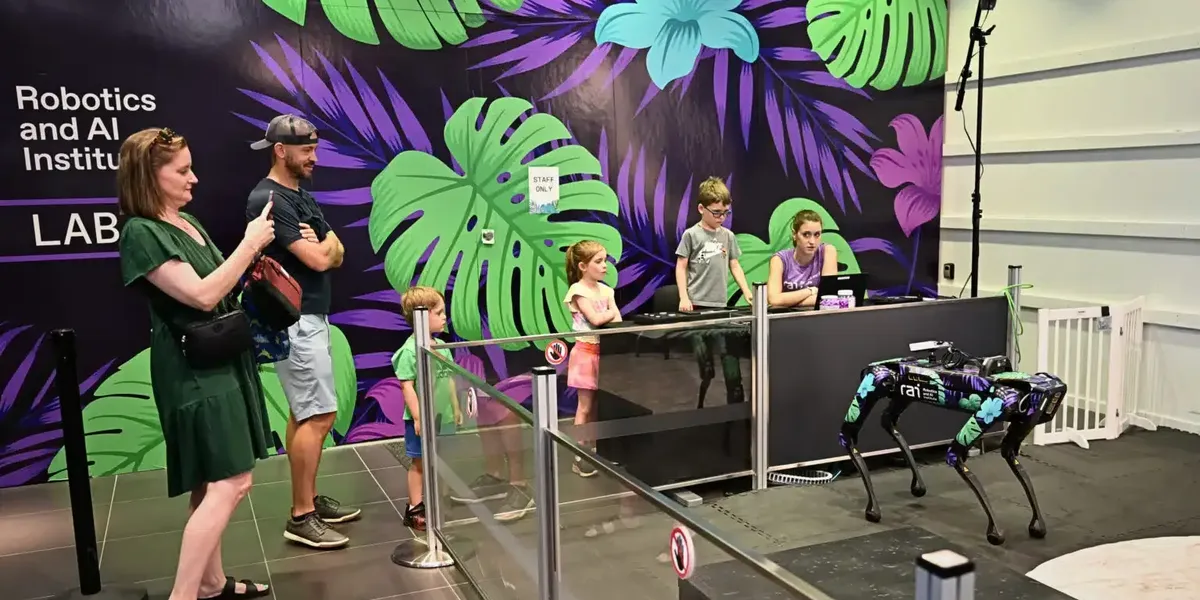
A comprehensive study analyzing 753 human-robot interactions at robotics demonstrations reveals significant differences in how children and adults engage with advanced robotic systems. The research, conducted at multiple Robotics and AI Institute LAB sessions, tracked behavioral patterns during quadruped robot demonstrations.
Children Outpace Adults in Robot Acceptance
Data shows children consistently demonstrated immediate comfort with robotic technology, while adults approached the same systems with measurable hesitation. The study documented direct interactions between participants and advanced locomotion algorithms in real-time educational settings.
Researchers observed that younger participants treated robots as "fascinating companions and tools" rather than intimidating technology. This behavioral difference suggests natural learning advantages when introducing robotics concepts early in educational development.
Hands-On Learning Drives STEM Engagement
The interactive demonstrations made complex engineering concepts tangible for participants across age groups. Parents reported improved understanding of real-world AI applications after witnessing their children's natural interactions with the robotic systems.
Educational administrators noted the effectiveness of direct robot interaction versus traditional textbook-based learning methods. The study reinforces growing evidence that hands-on robotics education builds stronger foundations for future STEM workforce development.
The research contributes to expanding literature on human-robot interaction patterns and optimal methods for introducing advanced technology in educational environments.