Autonomous Drone Warfare Evolves: Ukraine Conflict Drives Military AI Innovation
The ongoing conflict in Ukraine is accelerating the development of autonomous military drones, raising critical questions about AI-powered warfare and battlefield ethics. These emerging technologies are reshaping modern combat strategies.
Key Takeaways
The Ukraine conflict has become a real-world testing ground for autonomous military drones, accelerating AI warfare development timelines beyond peacetime expectations.
Newest autonomous drones use computer vision and machine learning to identify, track, and engage targets without direct human intervention, a leap from remotely piloted aircraft.
Both sides in Ukraine deploy systems ranging from small reconnaissance drones to larger autonomous attack platforms, generating combat data that would take years to gather otherwise.
Key challenges include reliable target identification, preventing civilian casualties, operating in contested electromagnetic environments, and compliance with international humanitarian law.
Battlefield innovations are expected to spill over into civilian autonomous systems and industrial automation across the broader robotics industry.
The Robotics Media Editorial
The battlefield landscape is undergoing a dramatic transformation as autonomous drone technology emerges as a defining factor in modern warfare. The ongoing conflict in Ukraine has become an unexpected testing ground for AI-powered military systems, accelerating development timelines and pushing the boundaries of what was previously considered theoretical.
From Remote Control to Full Autonomy
Traditional military drones have long required human operators to guide their missions, but the latest generation of autonomous systems can make targeting decisions independently. These AI-driven platforms utilize advanced computer vision algorithms and machine learning models to identify, track, and engage targets without direct human intervention. The technology represents a significant leap from conventional remotely piloted aircraft to fully autonomous weapons systems.
Ukraine: An Unintended Innovation Lab
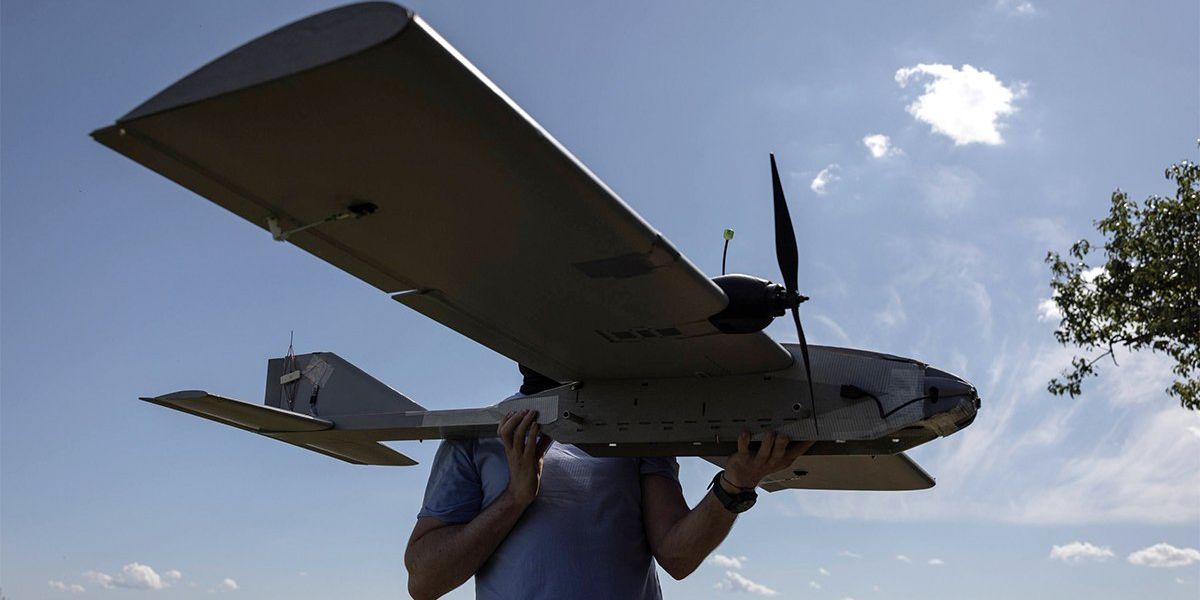
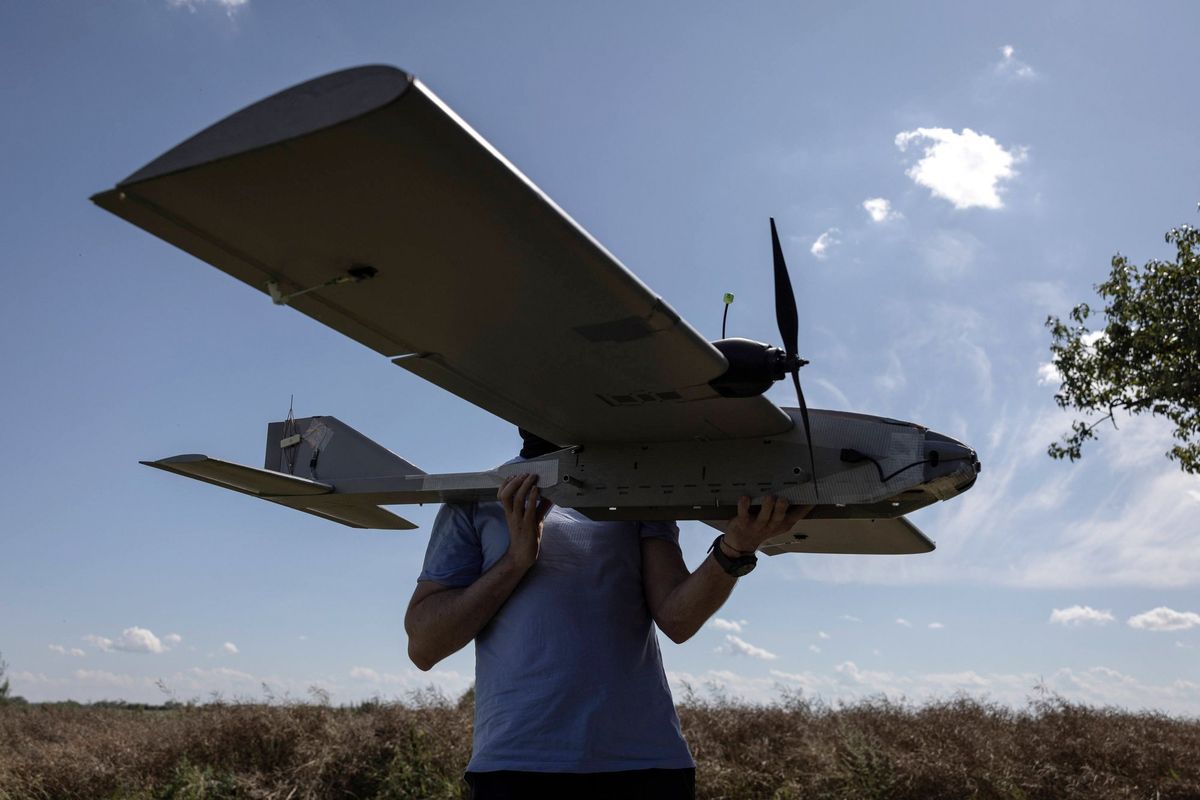
The conflict has created unique conditions that have fast-tracked autonomous drone development. Both sides are deploying increasingly sophisticated unmanned systems, from small reconnaissance drones to larger attack platforms capable of autonomous operation. These real-world applications are generating valuable data that would have taken years to accumulate under peacetime conditions, fundamentally altering the trajectory of military robotics research.
Ethical and Technical Challenges
The rapid advancement of autonomous warfare technology raises profound questions about accountability, rules of engagement, and the future of military decision-making. Technical challenges include ensuring reliable target identification, preventing civilian casualties, and maintaining operational security in contested electromagnetic environments. Defense contractors and military strategists are grappling with balancing operational effectiveness against ethical considerations and international humanitarian law.
As autonomous drone technology continues to evolve, the implications extend far beyond current conflicts. The innovations emerging from these battlefield applications are likely to influence the broader robotics industry, from civilian autonomous systems to industrial automation, marking a pivotal moment in the convergence of AI and military technology.
How do autonomous military drones differ from traditional drones?
Traditional military drones require human operators to guide missions, while the latest autonomous systems use AI-driven computer vision and machine learning to identify, track, and engage targets independently, without direct human intervention.
Why is the Ukraine conflict accelerating autonomous drone development?
The war has created real-world deployment conditions for increasingly sophisticated unmanned systems on both sides, generating operational data that would have taken years to accumulate in peacetime and fast-tracking military robotics research.
What are the main ethical concerns around AI-powered drone warfare?
Key concerns include accountability for autonomous targeting decisions, rules of engagement, reliable target identification, preventing civilian casualties, and balancing operational effectiveness with international humanitarian law.
Will this military drone technology affect industries outside warfare?
Yes. Innovations from battlefield autonomous systems are likely to influence the broader robotics industry, including civilian autonomous systems and industrial automation.