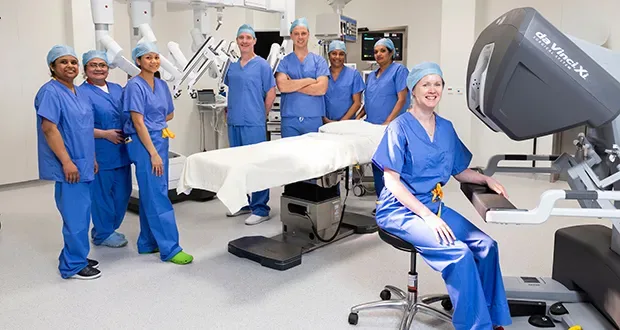
Blackrock Clinic has commissioned a second robotic surgical theatre, this one dedicated to gynaecology, as part of a five-year, €500 million capital development programme at the Irish hospital group. The new suite, equipped with 3D vision technology, will handle complex pelvic and oncological procedures as well as benign gynaecological cases through minimally invasive, robot-assisted surgery, according to Irish Medical Times.
"This new dedicated robotic theatre strengthens our surgical infrastructure and enhances our ability to meet the growing demand for specialised gynaecological care," said Gordon Dunne, CEO of Blackrock Clinic. The theatre accepts GP referrals and builds on the hospital's women's health centre, which opened in 2025. The broader capital plan, announced in September 2024, calls for 14 new operating theatres across the Blackrock Health group over five years.
A Second Theatre Signals a Capacity Bet, Not a Pilot
Adding a second robotic theatre, rather than a single flagship unit, is the detail that matters here. Hospitals typically justify one robotic system as a capital showcase; committing to a second, specialty-dedicated suite signals the clinic expects sustained case volume rather than occasional use. Gynaecological oncology and complex pelvic surgery are among the procedure types where robotic assistance has shown the clearest advantages in blood loss, hospital stay and recovery time, which makes this a defensible allocation of scarce surgical capacity rather than a marketing exercise.
It also reflects a broader pattern across hospital systems this year: robotic surgery investment is increasingly split by specialty rather than centralized in one general-purpose suite. That mirrors moves elsewhere, from dedicated single-port platforms for urology to bladder-specific systems recently cleared by regulators, as hospitals try to match robot capability to the procedures with the strongest clinical case.
Ireland's Place in a Crowded Robotic Surgery Market
Robotic surgery adoption in Ireland has lagged larger markets such as the US, UK and parts of Asia, where multiple vendors now compete for hospital contracts beyond the long-dominant da Vinci platform. Blackrock Clinic's expansion adds to a small but growing list of Irish private hospitals investing in robotic capacity, putting pressure on public hospitals to keep pace on waiting times for specialties like gynaecological oncology.
The €500 million program positions Blackrock Health to compete for complex referral cases that might otherwise go abroad or to larger public teaching hospitals. With 14 theatres planned across the group, this gynaecology suite looks like an early installment in a much larger buildout, one that will test whether private Irish healthcare can scale robotic surgical capacity faster than demand for specialist care grows.