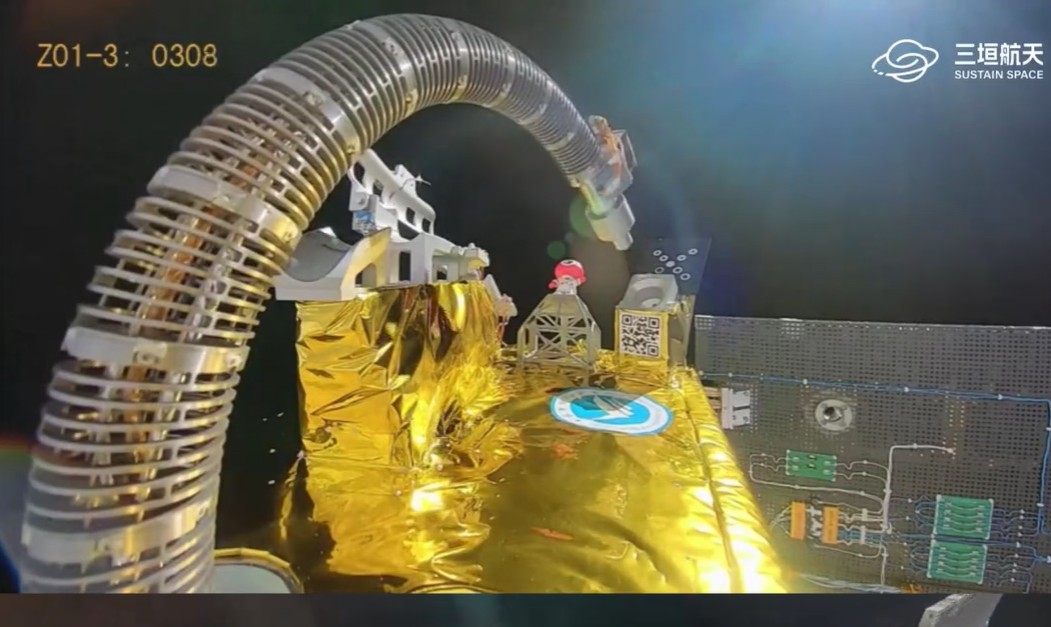
A Chinese startup has successfully tested a flexible robotic arm in space designed for on-orbit servicing missions, marking a significant advance in autonomous satellite maintenance capabilities.
The robotic system operated in zero gravity conditions while protected by thermal blankets that shield electronics from temperature swings ranging from -270°F to +250°F. The flexible mechanical joints demonstrated precise movement control necessary for complex orbital operations.
Commercial Space Servicing Market
The test represents growing competition in the commercial satellite servicing sector, where companies are developing robotic systems to extend satellite lifespans and reduce space debris. Current estimates suggest the on-orbit servicing market could reach $4.5 billion by 2030.
Traditional satellite missions end when fuel runs out or components fail, creating expensive space debris. Robotic servicing missions can refuel satellites, repair components, and relocate defunct hardware to safe disposal orbits.
Technical Challenges
Space robotics requires extreme precision engineering where system failures cannot be repaired. The robotic arm must function autonomously for years without maintenance while handling delicate satellite components worth millions of dollars.
The flexible arm design allows adaptation to various satellite configurations and docking mechanisms. This versatility is crucial for servicing the thousands of different satellite models currently in orbit.