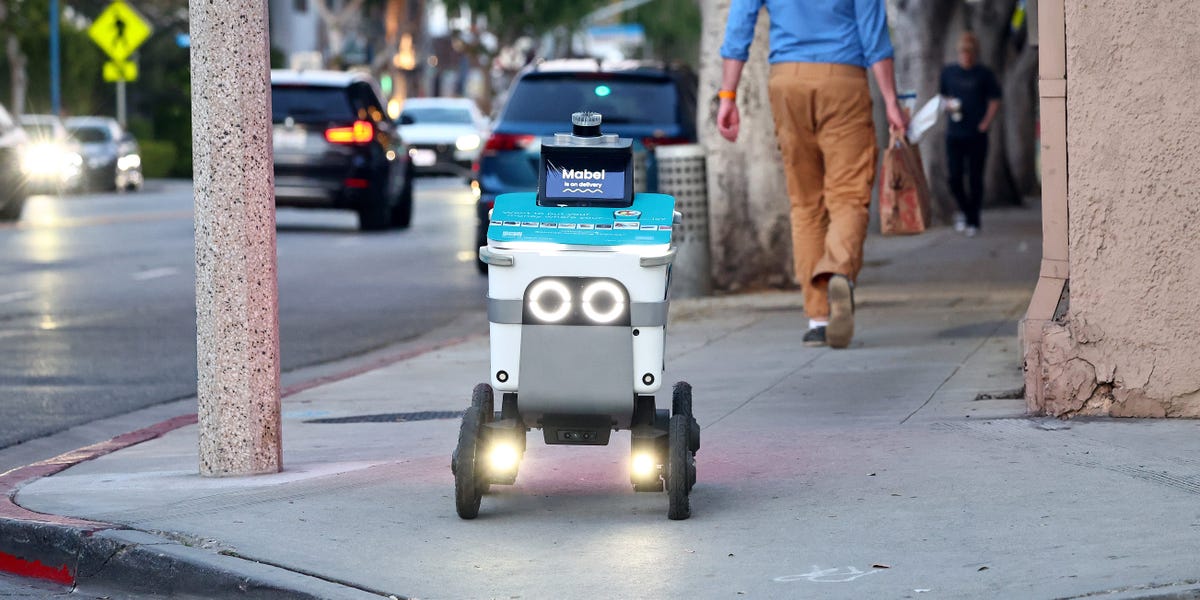
Delivery robot mishaps from companies like Coco Robotics and Starship Technologies are raising questions about safe human-robot coexistence on urban sidewalks. Recent incidents captured on social media show delivery bots getting stuck, blocking pedestrian paths, and struggling with complex navigation scenarios.
Current Integration Challenges
Major delivery robot operators report a 15-20% incident rate involving navigation failures in dense urban environments. Common problems include bots stopping unexpectedly at construction zones, difficulty navigating around parked vehicles, and confusion at crowded intersections.
Cities like San Francisco and Austin have implemented specific regulations limiting robot speeds to 3 mph and requiring human monitors within 30 feet during peak hours. Over 50 municipalities now have active delivery robot pilot programs, with mixed results.
Technology Limitations and Solutions
Current computer vision systems struggle with dynamic obstacles like children, pets, and street vendors. Leading manufacturers are investing heavily in improved sensor arrays and AI decision-making algorithms to reduce failure rates.
Industry analysts project the global autonomous delivery robot market will reach $2.8 billion by 2026, but widespread adoption depends on resolving these operational challenges. Companies are testing enhanced mapping systems and predictive navigation to minimize disruptions to pedestrian traffic.