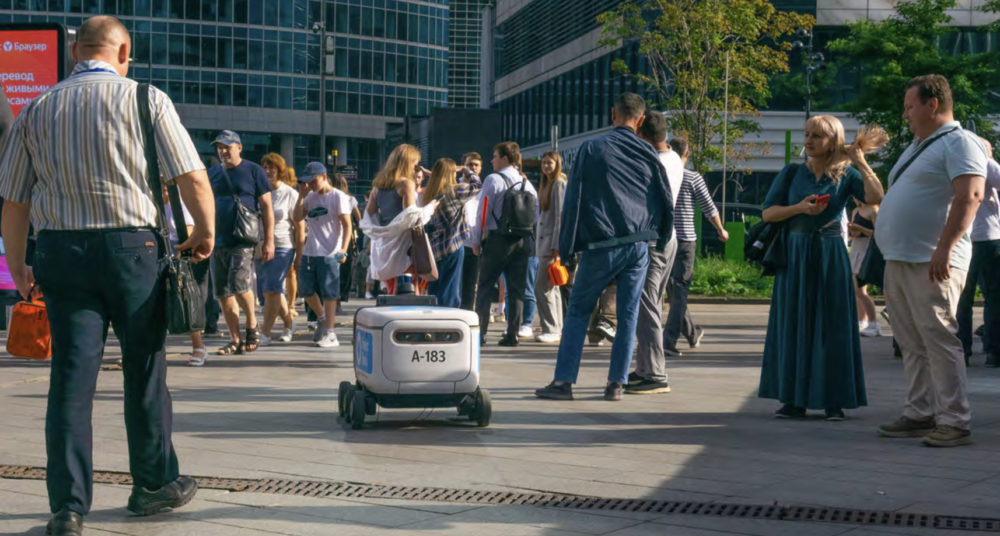
Autonomous delivery robots are operating regularly in public spaces across multiple cities, marking a shift from pilot programs to normalized commercial deployment. These robots navigate sidewalks and pedestrian areas with minimal public disruption, indicating successful integration into urban infrastructure.
Regulatory Framework Development
Cities worldwide are establishing specific regulations for robotic operations in public spaces. These rules address sidewalk usage, speed limits, and operational hours for autonomous delivery vehicles.
The regulatory focus centers on pedestrian safety, traffic flow management, and liability frameworks. Local governments are balancing innovation support with public safety requirements as robot deployments expand.
Commercial Deployment Scale
Multiple companies now operate delivery robot fleets in urban areas, moving beyond controlled testing environments. The robots handle last-mile logistics for food delivery, package transport, and retail fulfillment services.
Public acceptance has increased as residents become accustomed to robotic presence in daily activities. The technology's integration success is measured by reduced public attention and normalized interactions with autonomous systems.
Industry analysts project continued expansion as regulatory clarity improves and operational costs decrease. The next development phase will likely include larger robot varieties and extended operational territories within city limits.