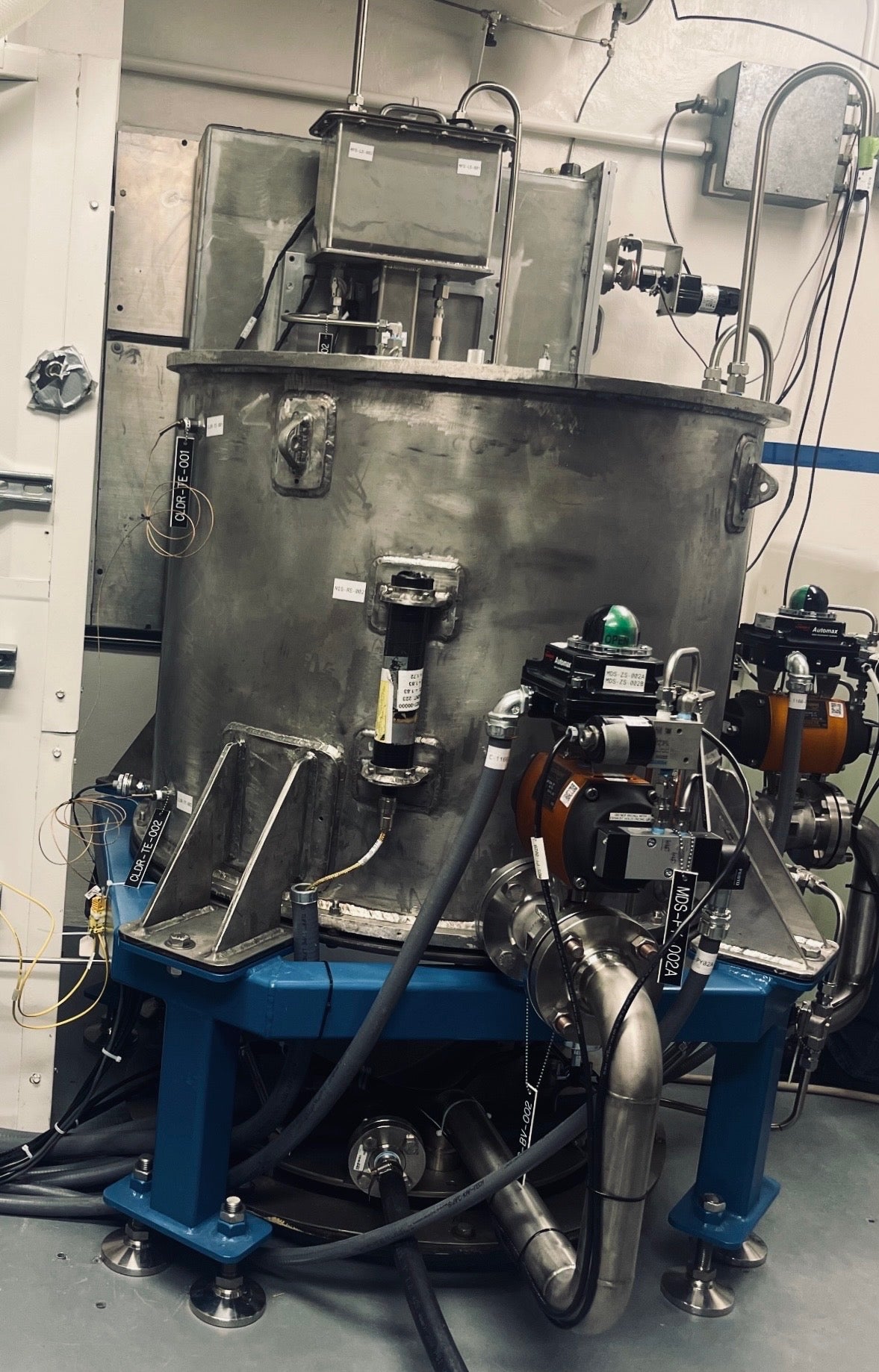
Houston-based Deployable Energy's Unity demonstration reactor reached initial criticality at Idaho National Laboratory late on 30 June 2026, becoming the third U.S. advanced microreactor to achieve the milestone ahead of a July 4 deadline set by the Trump administration's May 2025 nuclear executive order and the first criticality under the U.S. Department of Energy's Nuclear Energy Launch Pad program.
150 Days From Kickoff To Criticality
Deployable moved from project kickoff to a delivered reactor, delivered fuel and readiness for criticality in roughly 150 days, at what CEO and co-founder Bobby Gallagher called a "single-digit million" dollar investment. The team used a calandria-style water-moderated geometry with helium coolant and 4.95% enriched low-enriched uranium (LEU) UO2 fuel - deliberately steering away from HALEU, graphite moderation and heat pipes to lean on existing commercial fuel infrastructure. Sanjay Mukhi, Deployable's chief commercial officer, told POWER: "Let's use what's readily available. Let's not use exotic materials."
Third Under Trump's Nuclear Push
Unity follows Antares Nuclear's sodium-heat-pipe Mark-0 microreactor, which reached criticality at INL on June 4, and Valar Atomics' Ward 250 TRISO-fueled high-temperature gas reactor, which went critical in Utah on June 18. The DOE said the trio makes the U.S. "the first country in history to achieve criticality in three unique advanced microreactor designs in a single month."
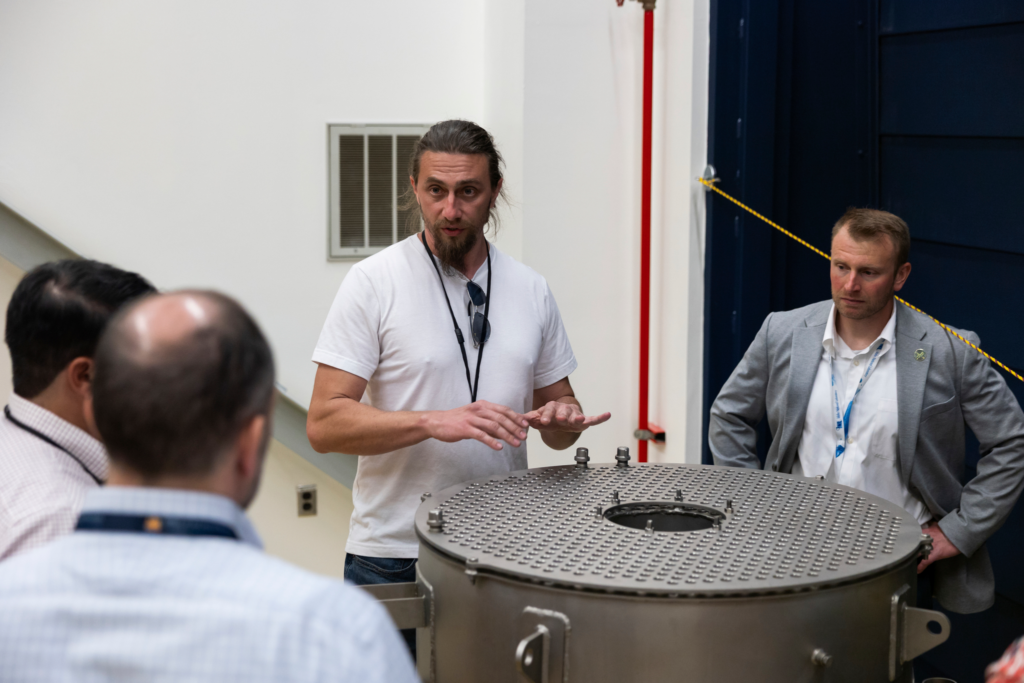
Unity Nuclear Battery Targets Behind-The-Meter Power
Deployable is building Unity as a 1MW-electric class transportable microreactor system that ships in a standard 20-foot container for defense sites, national security facilities, data centers, maritime platforms and remote industrial users. The company operates a 340,000-square-foot manufacturing facility on a 58-acre site in Houston's Energy Corridor with truck access, a rail spur and machine, fabrication, paint and blast shops - engineered for high-volume production of Unity units.
Commercial Reactors By 2028
The company aims to move from the Unity test toward commercial reactors by 2028 with a "speed to power in less than six months" from customer order. Deployable has been engaged in NRC pre-application activities since October 2025 and expects to leverage the commission's newly proposed Part 57 framework for high-volume microreactor licensing. Nuclear Regulatory Commission observers were on hand at INL, and Deployable expects to use the test results in future licensing.
A Building Nuclear Momentum
The Launch Pad program complements a broader U.S. push that includes Rolls-Royce SMR, GE Vernova Hitachi's BWRX-300 and Oklo, and a new Aalo Atomics test reactor at INL that is expected to reach criticality within days.
Reporting based on coverage from POWER Magazine, U.S. Department of Energy, World Nuclear News, ANS Nuclear Newswire and Deployable Energy.