Battery-storage integrator Fluence Energy shocked Wall Street on September 17 by slashing fiscal 2026 revenue guidance to roughly $2.4 billion — a $600 million cut from the top of the prior $2.9 billion to $3.1 billion range — and widening its adjusted EBITDA loss forecast to about $200 million, up from a $10 million loss previously communicated. The NASDAQ-listed integrator (FLNC) blamed a stalled ramp at its new Houston thermal-management systems plant, which is central to its U.S.-domestic Gridstack strategy.
Houston Ramp Barely Moves
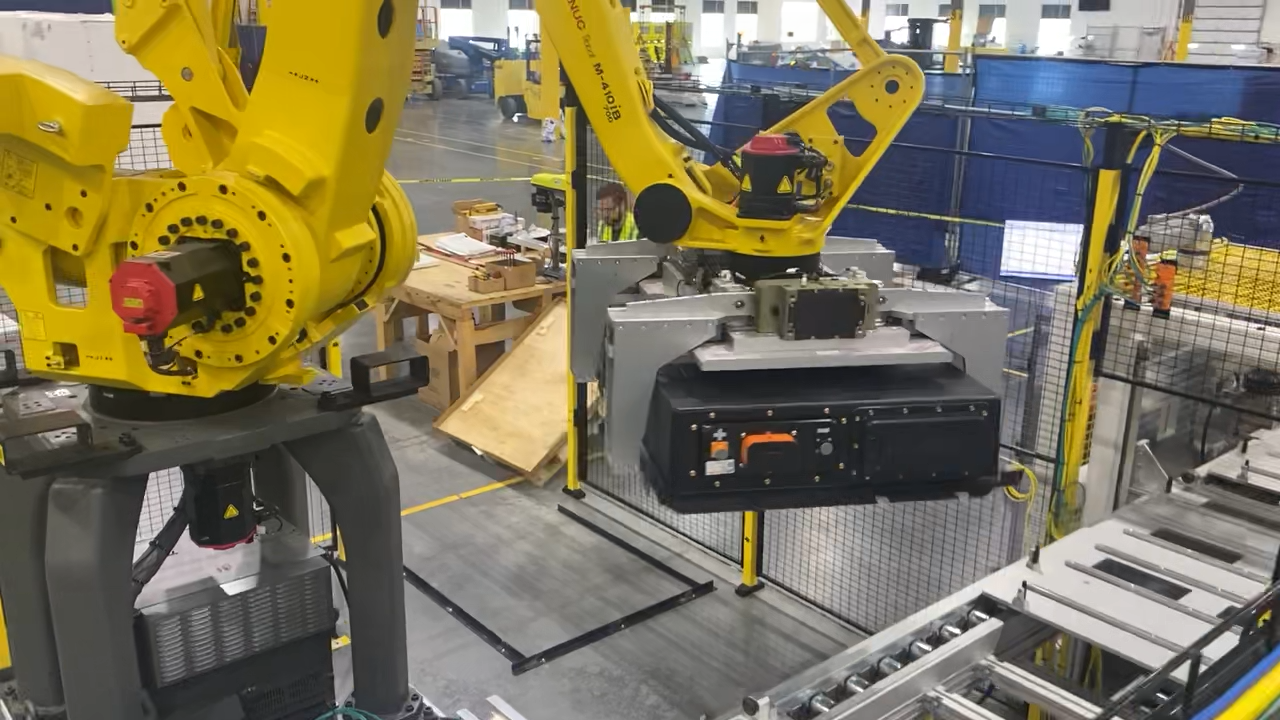
According to the company, the Houston facility was supposed to be turning out 11 finished thermal-management units per shift during ramp. Instead, August 2026 output averaged under one unit per day, with customized automated welding operating well below target. Manual welding and outside subcontractors have since lifted the run rate to roughly three per day, but that is still nowhere near what Fluence needs to hit its shipment plan. Labor shortages on final assembly and slippages on balance-of-plant items — transformers and inverters in particular — round out the pain, with about 80 percent of the revenue miss tied directly to U.S. production issues.

Nebreda Owns The Miss
CEO Julian Nebreda pinned the blame squarely on internal execution: "Our team underestimated the complexity of the ramp-up of the Houston facility, specifically the major issues." The Houston line is meant to be the linchpin of Fluence's push to build a genuinely domestic U.S. supply chain — a hedge against tariffs on Chinese battery gear that has become an existential moat for grid-scale developers. Instead, the plant is on track to leave a nine-figure hole in the year's numbers.
What It Signals For The BESS Supply Chain
The guidance cut lands in a market that has otherwise been on fire: Jupiter Power just closed $1.4 billion for 10 U.S. BESS projects, Fluence itself locked in a 206 GWh, five-year LFP supply deal with EVE Energy, and DNV verified 98.7% availability across Fluence's global fleet. But domestic content is now the primary differentiator in North American BESS procurement, and Fluence has just told developers its U.S. line is not delivering. Rivals with more mature U.S. operations, or Chinese manufacturers willing to ship through Mexico, stand to pick up displaced backlog if the Houston recovery slips further.
Reporting based on coverage from Energy-Storage.News.