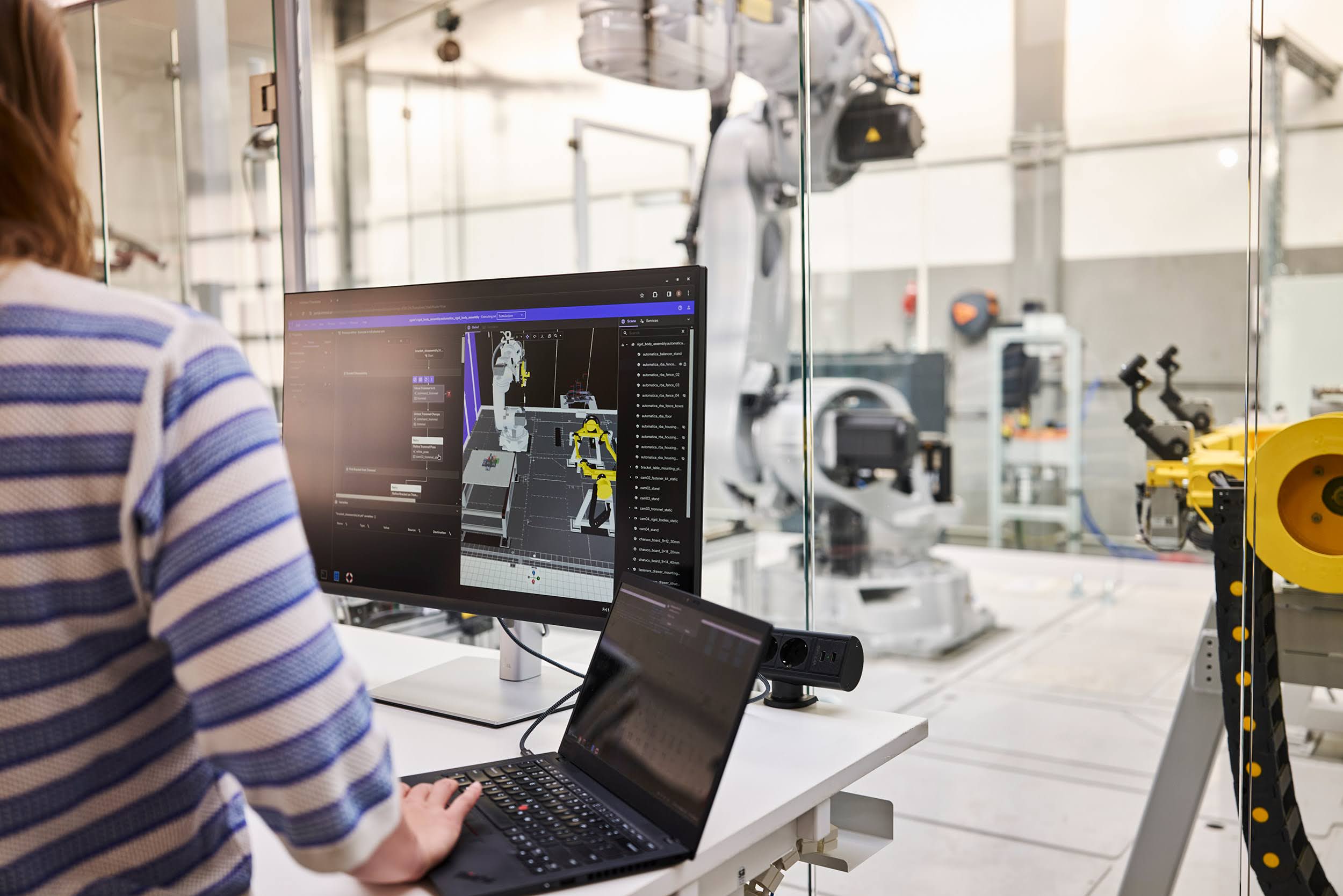

Google's DeepMind division has announced a significant partnership with Agile Robots, marking another strategic move in the tech giant's expanding artificial intelligence robotics portfolio. The collaboration focuses on integrating Google's advanced Gemini Robotics foundation models with Agile Robots' sophisticated hardware platforms, creating a powerful synergy between cutting-edge AI software and precision robotics engineering.
Strategic Integration of AI and Robotics Hardware
The partnership represents a crucial step forward in bridging the gap between theoretical AI capabilities and practical robotics applications. By combining DeepMind's Gemini foundation models—known for their advanced reasoning and decision-making capabilities—with Agile Robots' proven hardware expertise, the collaboration aims to accelerate the development of more intelligent, adaptive robotic systems capable of complex real-world tasks.
Expanding Google's Robotics Ecosystem
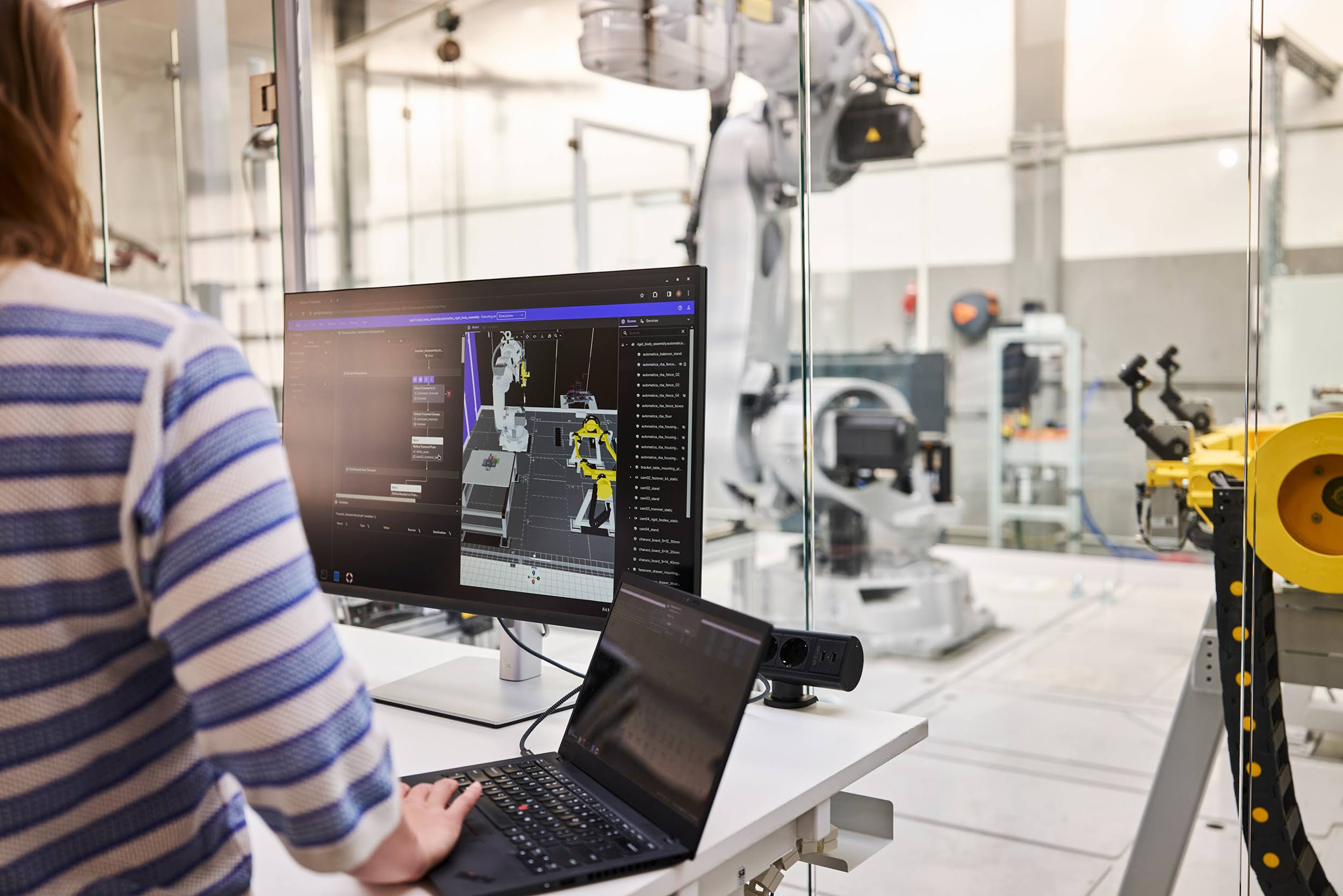
This partnership is part of Google's broader strategy to establish a comprehensive robotics ecosystem. The search giant has been actively forming alliances with multiple robotics companies in recent months, positioning itself as a key player in the convergence of artificial intelligence and physical automation. The collaboration with Agile Robots specifically targets the enhancement of robotics AI models through real-world hardware testing and deployment scenarios.
Industry Implications and Future Outlook
The Google-Agile Robots partnership signals a significant shift in how major tech companies approach robotics development. Rather than building hardware from scratch, Google is leveraging specialized partnerships to rapidly scale its AI robotics capabilities. This approach could accelerate innovation cycles and bring advanced AI-powered robots to market faster, potentially transforming industries from manufacturing to healthcare and beyond.
As the robotics industry continues to mature, such strategic collaborations between AI software leaders and hardware specialists are likely to become increasingly common, driving unprecedented advances in autonomous systems and intelligent automation technologies.