Japan Launches Global AI Robotics Research Hubs to Strengthen Tech Leadership

Japan's government announces plans to establish international AI and robotics research centers, positioning the nation as a global leader in emerging technologies and fostering international collaboration.

Key Takeaways

  • Japan's government announced plans to establish international AI and robotics research hubs to strengthen its position as a global technology leader.
  • The hubs will foster cross-border collaboration with leading universities, research institutions, and technology companies worldwide.
  • Research focus areas are expected to include human-robot interaction, autonomous systems, and AI-powered manufacturing solutions.
  • The initiative builds on Japan's existing strengths in industrial automation and humanoid robotics, sectors long dominated by Japanese companies.
  • Beyond research, the strategy aims to secure technological sovereignty, generate intellectual property, create high-skilled jobs, and drive economic growth.

Japan Launches Global AI Robotics Research Hubs to Strengthen Tech Leadership

Japan is making a bold strategic move to cement its position as a global leader in artificial intelligence and robotics by establishing international research hubs dedicated to advancing these critical technologies. This ambitious government initiative represents a significant investment in the future of AI-driven robotics and demonstrates Japan's commitment to maintaining its competitive edge in the rapidly evolving tech landscape.
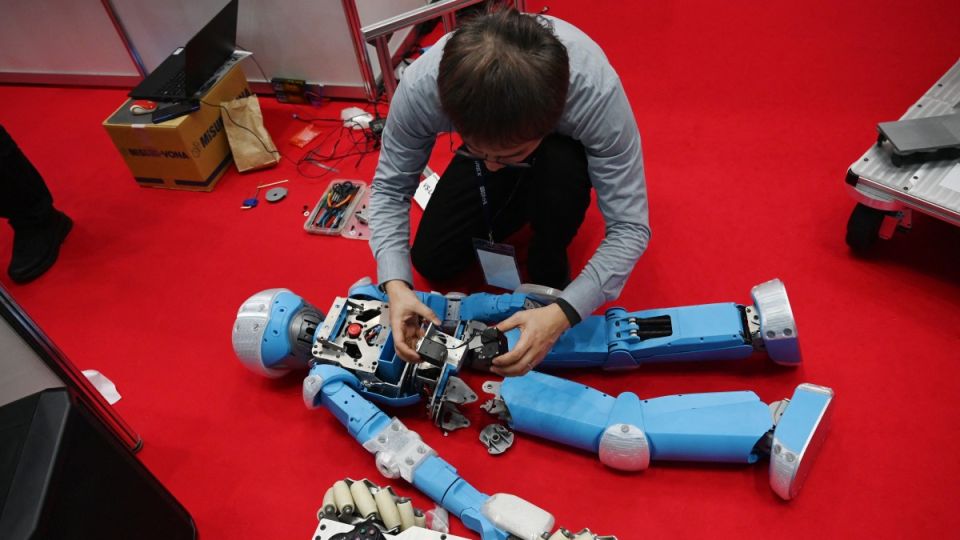
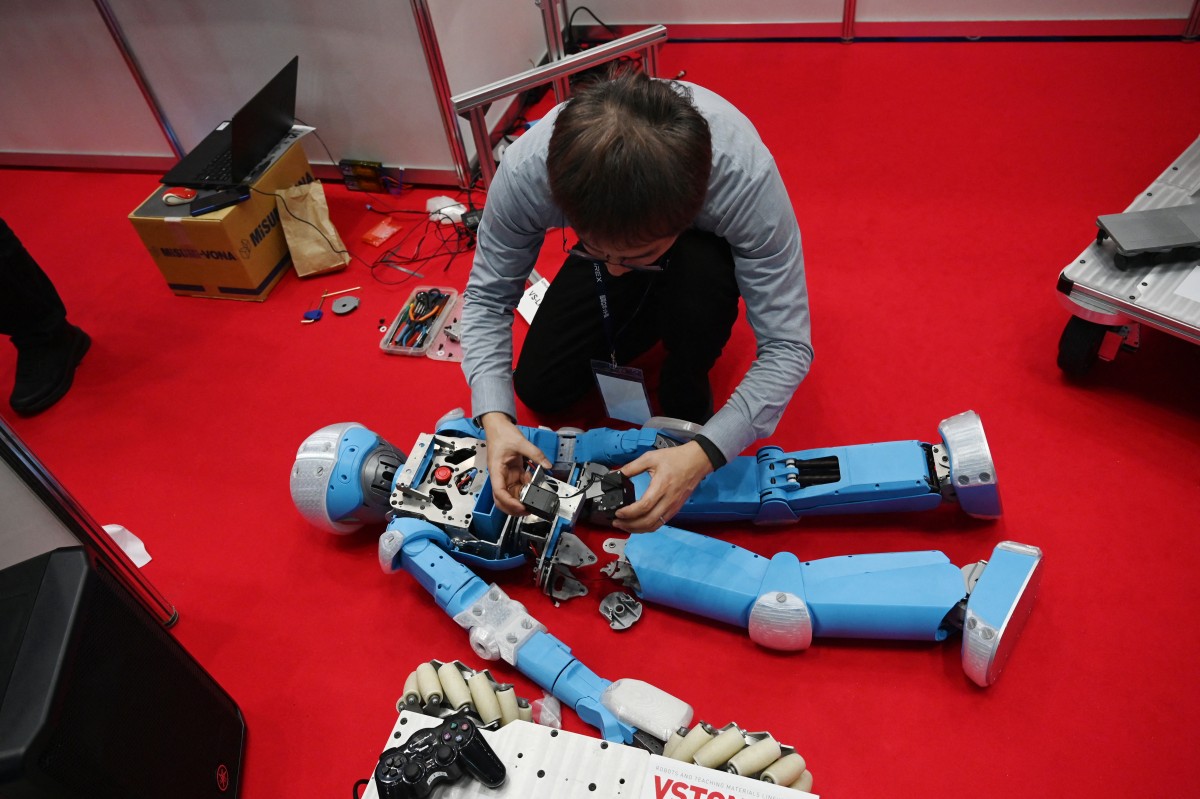
Humanoid robot being repaired at the International Robot Exhibition in Tokyo

Strategic Vision for Global Technology Leadership

The establishment of these global research centers reflects Japan's recognition that the future of robotics lies at the intersection of artificial intelligence and mechanical engineering. By creating dedicated hubs focused on AI robotics research, Japan aims to accelerate innovation while fostering international collaboration with leading universities, research institutions, and technology companies worldwide. This initiative builds upon Japan's existing strengths in industrial automation and humanoid robotics, sectors where Japanese companies have historically dominated.

Implications for the Global Robotics Industry

This government-backed expansion is expected to have far-reaching implications for the global robotics ecosystem. The research hubs will likely focus on breakthrough areas such as human-robot interaction, autonomous systems, and AI-powered manufacturing solutions. By attracting top international talent and facilitating cross-border research partnerships, Japan is positioning itself to lead the next wave of robotics innovation that could transform industries from healthcare to manufacturing.

Economic and Technological Impact

The initiative represents more than just research investment; it's a comprehensive strategy to maintain Japan's technological sovereignty while driving economic growth. As countries worldwide compete for dominance in AI and robotics, Japan's approach of combining government support with international collaboration could serve as a model for other nations. The research hubs are expected to generate significant intellectual property, create high-skilled jobs, and potentially spawn new categories of AI-powered robotic systems that could revolutionize how we work and live.

Category: Robotics

Tags: Robotics

Related Articles

Frequently Asked Questions

What is Japan's new AI robotics initiative?

Japan's government is establishing international research hubs dedicated to advancing AI and robotics, aiming to cement the nation's position as a global leader in these emerging technologies.

What will the research hubs focus on?

The hubs are expected to focus on breakthrough areas such as human-robot interaction, autonomous systems, and AI-powered manufacturing solutions, while attracting top international talent.

How will the initiative involve international collaboration?

Japan plans to partner with leading universities, research institutions, and technology companies worldwide, facilitating cross-border research partnerships to accelerate robotics innovation.

What economic impact is expected from the initiative?

The hubs are expected to generate significant intellectual property, create high-skilled jobs, support Japan's technological sovereignty, and potentially spawn new categories of AI-powered robotic systems.