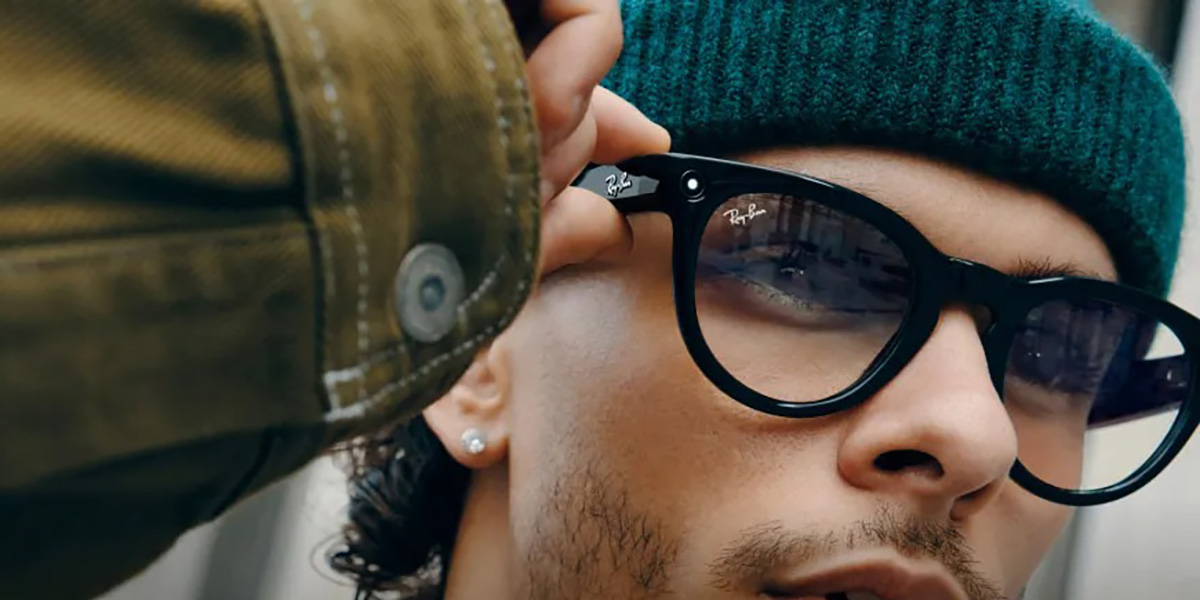
Meta is rolling out another software update to its Ray-Ban Meta and Meta Smart Glasses that closes the most obvious remaining way to defeat the front-facing privacy LED, the small light meant to warn bystanders when the camera is recording.
What The Fix Does
The glasses already refuse to start recording when the LED is covered, but users had found that they could begin a capture first and then cover the light with tape or fingers. In a Threads post on August 28, 2026, Meta VP of AR Alex Himel said an update is starting to roll out that stops the camera from continuing to record if the LED is obscured mid-capture. Himel added that only a small minority of people try to defeat the indicator and that Meta will keep iterating to make the recording light "reliably" alert people nearby.

The Second LED Patch in Two Months
This is the second Ray-Ban Meta privacy update in under two months. In July, Meta pushed a mandatory firmware update that automatically disables the camera when the LED is physically tampered with or destroyed, and the company says several services that had begun selling capture-LED tampering hardware have shut down. On a dedicated privacy page, Meta now tells wearers to switch the glasses off in sensitive spaces and reasons that people should not record with the glasses in situations where they would not record with a phone.
Why It Matters For AI Wearables
Ray-Ban Meta and its successors are among the strongest candidates to succeed the smartphone as a mainstream AI interface precisely because they can continuously see and hear a wearer's surroundings. That capability turns bystander consent into a first-order product problem. Academic researchers and France's data-protection authority have both argued that a single LED is not a strong enough signal for people around the wearer to notice. Meta's fix narrows one loophole but leaves the broader debate — whether social norms and privacy law can keep pace with always-available AI cameras — squarely in front of the industry. Google, Samsung and Apple are all preparing competing AI glasses, and the emerging U.S., U.K. and EU rules on consumer privacy and platform accountability will apply to them too.
Reporting based on coverage from 9to5Google, The Verge and Engadget.