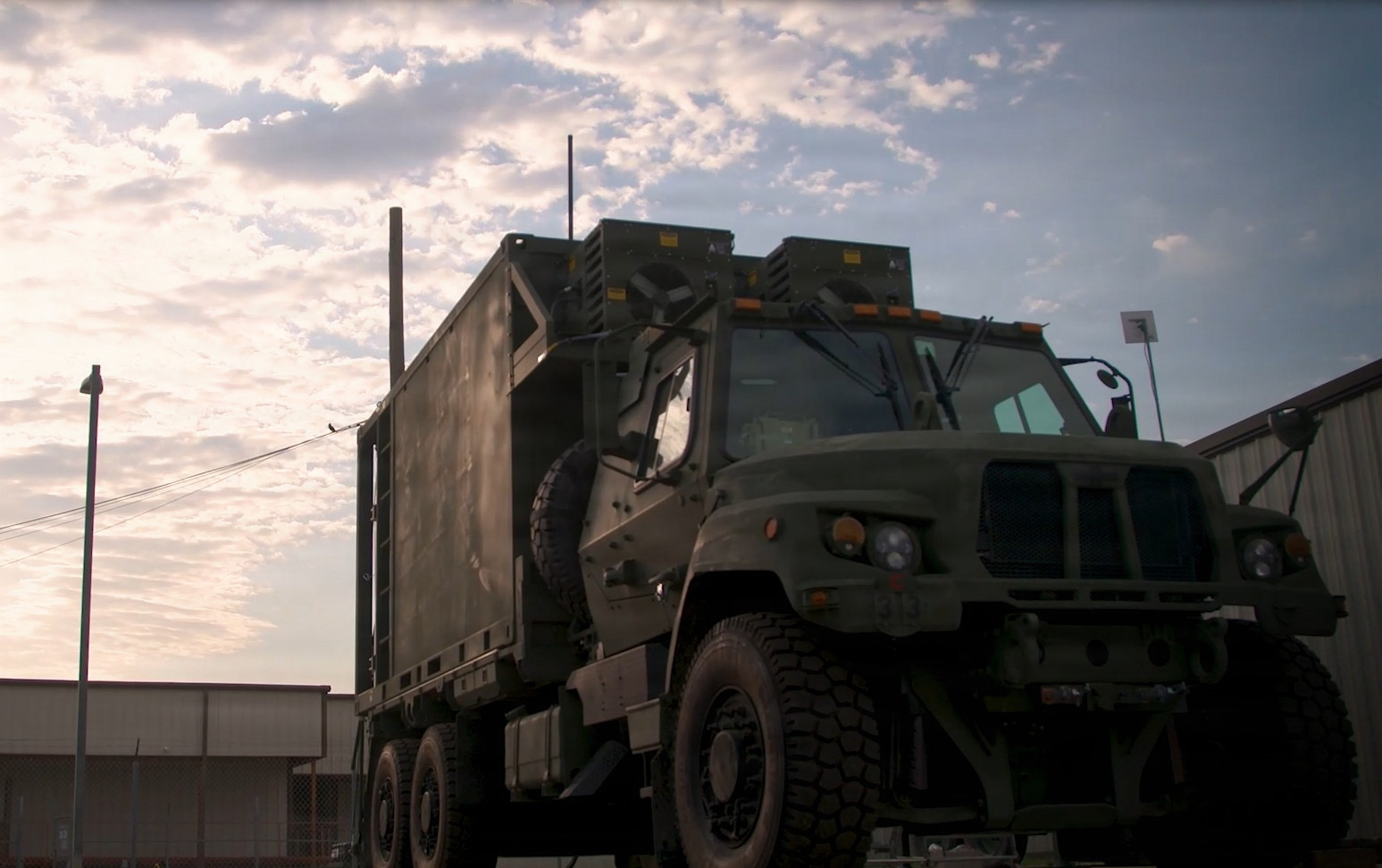
The U.S. Army has moved its Tactical Intelligence Targeting Access Node (TITAN) program from prototyping to production, awarding Palantir Technologies and Anduril Industries a combined $192 million in delivery orders on September 1, 2026. The award covers eight ruggedised, AI-enabled ground stations to be delivered over the next 18 months.
What TITAN does
TITAN is designed as a mobile ground station that ingests data from space, air and ground sensors, drones and satellites, then uses on-board AI and machine-learning to fuse it into target recommendations for long-range fires. Officials describe it as a “game-changing” cornerstone of the Army’s ground-system modernization effort, reducing sensor-to-shooter timelines through automated target nominations while preserving a human-on-the-loop approval step.
Split of the contract
Palantir received $127 million and will lead production alongside L3Harris Technologies, Sierra Nevada Corporation, Strategic Technology Consulting and World Wide Technology. Anduril received $65 million and will manufacture the ruggedised, vehicle-mounted enclosures and integrate power, thermal, control and operator subsystems that let TITAN operate in austere environments.

Two variants, more coming
The buy comprises four advanced variants for the Army’s medium tactical trucks and four basic variants for the Joint Light Tactical Vehicle. They will augment nine existing prototype units, including two already fielded on the lighter Infantry Squad Vehicle-Utility. During Project Convergence Capstone 6 last month, TITAN nodes reportedly linked over Anduril’s Lattice data mesh to fuse geospatial and signals intelligence across multiple dispersed variants. The Army expects additional production orders in fiscal 2027.
Why it matters
TITAN is the Army’s first production-scale, AI-enabled expeditionary intelligence node - and its second major contract this quarter to plug commercial physical-AI stacks into targeting. It follows Anduril’s expanding autonomy footprint in programs like Hermeus’ Quarterhorse testbed and mirrors the sensor-to-shooter thesis behind AeroVironment’s LOCUST laser production award.
Reporting based on coverage from DefenseScoop, Defense News and Breaking Defense.