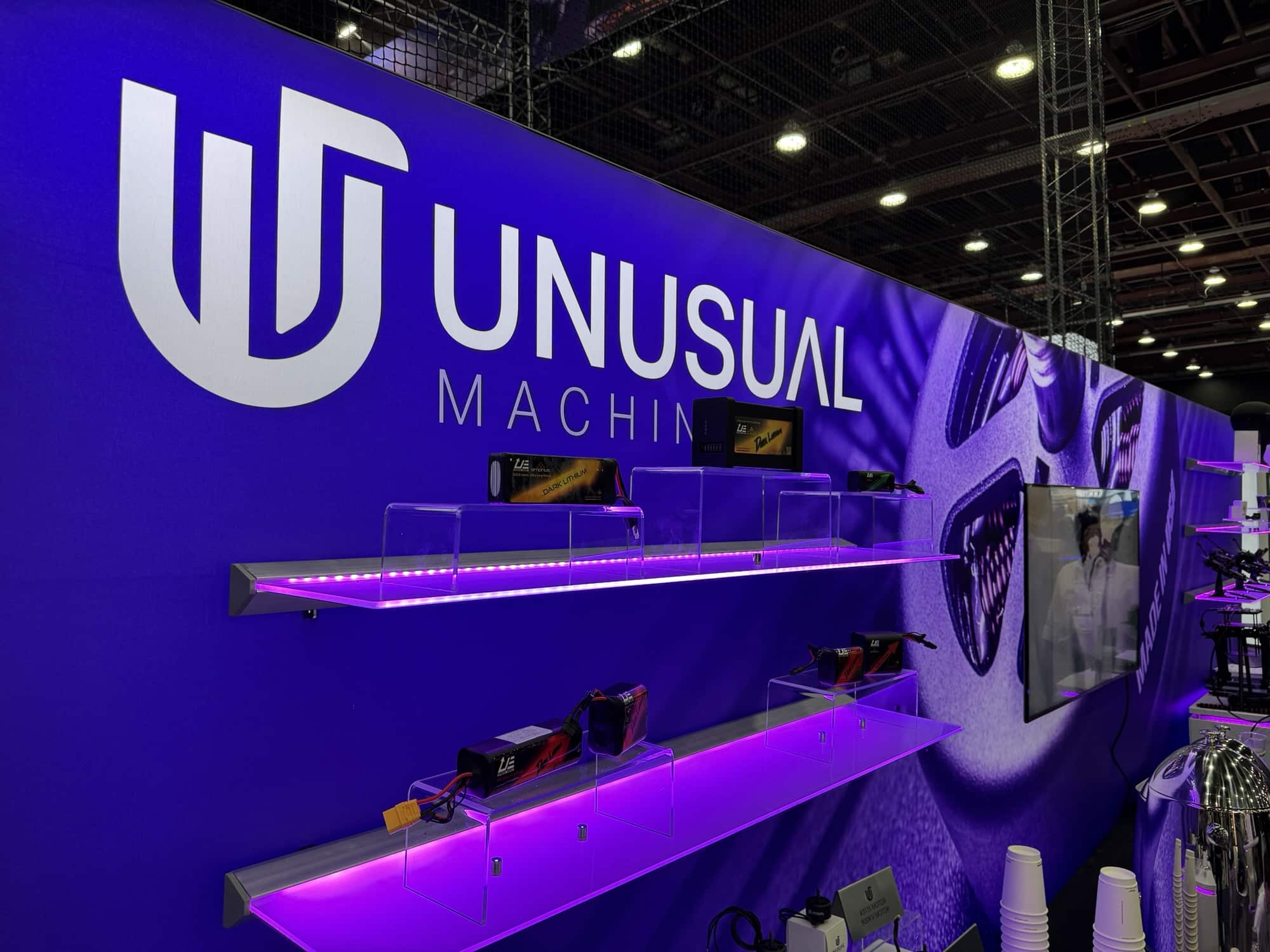
The Trump administration is in talks to inject capital into a group of American drone manufacturers under deals that could combine debt with direct U.S. government equity stakes, according to a Wall Street Journal report dated May 28. The Pentagon has flagged Neros Technologies, Unusual Machines and Performance Drone Works (PDW) as candidates for financing intended to expand domestic production capacity and push the unit cost of attack drones closer to the military's roughly $5,000 ceiling.
An equity stake, not just a purchase order
The negotiations involve the Office of Strategic Capital, the lending office stood up under the Biden administration to fund companies considered critical to national security supply chains. The Journal reports that the deals could combine loans with equity, meaning Washington would take a direct ownership position in private drone makers rather than continuing the traditional model of writing checks only for hardware. The money is designed to fund factory build-out, not unit purchases.
Markets responded immediately. Shares of Unusual Machines, a publicly traded FPV components supplier whose advisory board includes Donald Trump Jr., jumped sharply on the report and traded near a 52-week high. Other drone equities, including Red Cat Holdings, AeroVironment and Kratos Defense, also rallied on the news of potential Pentagon-backed funding.
Three companies, three rungs of the supply chain
Each of the three named companies sits at a different point in the U.S. drone stack. Neros Technologies, backed by Sequoia Capital, builds Blue UAS-cleared and NDAA-compliant FPV systems. Its Archer platform was used by U.S. Marines from the 24th Marine Expeditionary Unit ahead of deployment this spring, and the company placed second in the Pentagon's Gauntlet I competition, finishing behind Skycutter on the operator-scored leaderboard. Neros has raised more than $120 million from venture investors.
Performance Drone Works, headquartered in Huntsville, Alabama, has raised close to $200 million and already holds an active U.S. Army contract supplying tactical reconnaissance drones. Unusual Machines is the publicly traded outlier, a parts maker whose ties to the Pentagon run through its components business and a separate drone project backed by both Donald Trump Jr. and Eric Trump.
Aligning with the Drone Dominance program
The funding talks dovetail with the Pentagon's roughly $1.1 billion Drone Dominance program, which targets building an arsenal of around 300,000 low-cost attack drones by the end of 2027. The persistent problem is unit cost: many U.S.-built drones sell for well above the $5,000-per-unit target, a price gap that demand signaling alone has not been able to close. Capitalizing manufacturers directly, rather than waiting for purchase orders to justify factory expansion, is the lever the administration appears to be reaching for now.
The Defense Innovation Unit has previously estimated that Pentagon purchases account for less than 2% of all U.S. commercial and government drone system sales each year, a market share too small to justify the capital expenditure required to scale domestic factories. A 2025 estimate put total U.S. drone-building capacity at around 100,000 units a year, against Ukraine's roughly four million units produced in the same period.
Conflict-of-interest scrutiny ahead
A Defense Department official told the Journal the department would not comment on pre-decisional matters subject to change and that any final decision would be issued in a formal announcement. The talks remain in negotiation, and Pentagon dealmakers are still vetting the candidates.
The Trump Jr. relationship with Unusual Machines is the obvious complication for any equity deal. A sitting administration taking an ownership stake in a company where the president's son is a shareholder and board member invites the kind of inspector-general scrutiny that other defense procurement arrangements have faced. The Journal noted the relationship without drawing a conclusion, and the wider drone-project ties to both Trump sons enlarge the surface area for that review.
What watchers should track next
The structure of the final terms matters as much as the headline. A conditional loan and an equity stake are different instruments with different downstream implications for taxpayer balance sheets and for the long-term survival of the companies involved. Investors and policy watchers will be looking at whether equity actually appears in the final term sheets, how the Unusual Machines conflict is handled, and how the funding interacts with related Pentagon procurement initiatives such as the $5 billion Anduril Series H and the Matternet public listing reshaping the broader U.S. unmanned systems market.
The reporting comes amid a broader surge in defense and dual-use funding, including Saronic's Marauder unmanned surface vessel launch and Groq's $650 million inference cloud round, signaling that the capital flowing into U.S. autonomy and AI infrastructure is accelerating across the stack.
Reporting based on coverage from The Wall Street Journal (Heather Somerville and Amrith Ramkumar), DroneXL, CNBC and Bloomberg.