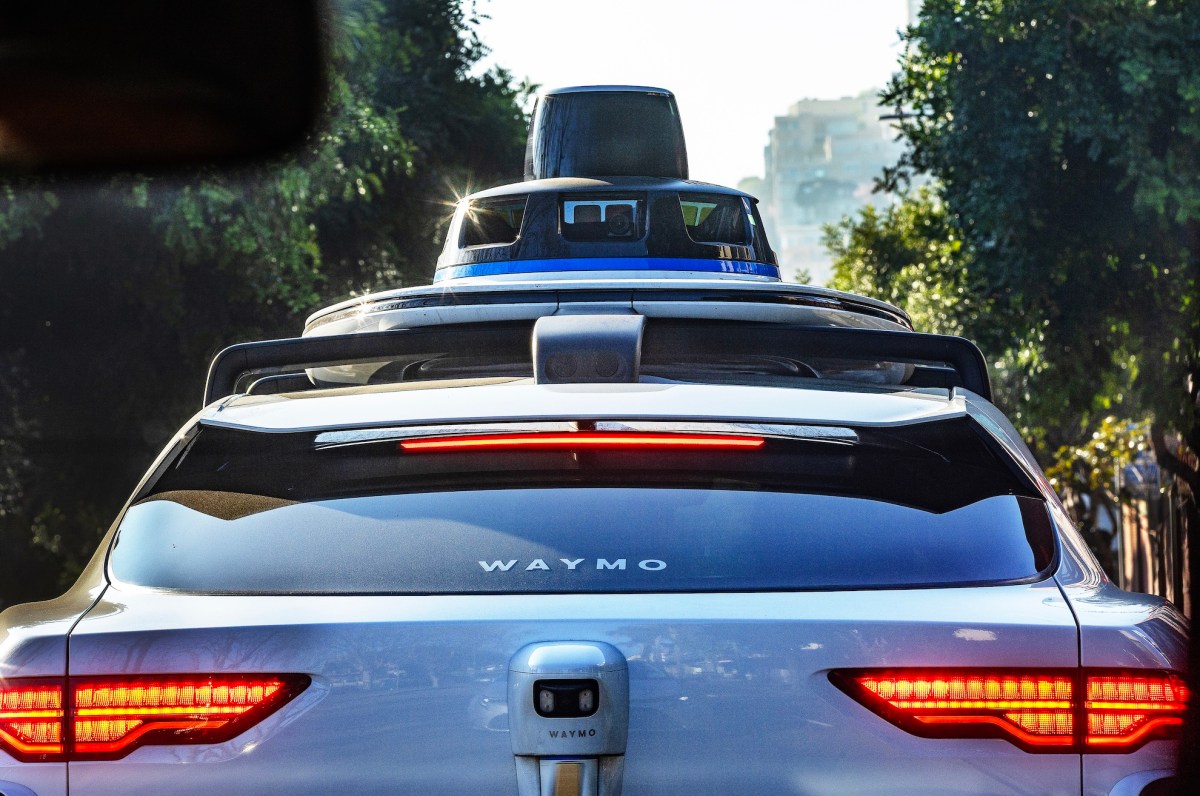
Seven major robotaxi and autonomous vehicle companies have refused to disclose how often their self-driving vehicles require remote human assistance, according to findings from Senator Ed Markey's recent investigation into the industry.

Aurora, May Mobility, Motional, Nuro, Tesla, Waymo, and Zoox all declined to provide specific metrics on remote assistance frequency during the Senate inquiry. This lack of transparency raises questions about the true autonomy levels of vehicles currently operating on public roads.
Why Remote Assistance Matters
Remote assistance data is crucial for understanding how often autonomous vehicles encounter situations they cannot handle independently. When self-driving cars face complex scenarios like construction zones, emergency vehicles, or unusual road conditions, they often require human operators to provide guidance remotely.
The frequency of these interventions serves as a key indicator of autonomous vehicle readiness and safety reliability. Higher intervention rates suggest the technology may not be as mature as companies publicly claim.
Industry Transparency Concerns
Senator Markey's investigation highlights growing regulatory pressure on autonomous vehicle companies to provide more detailed safety and performance data. The refusal to share remote assistance metrics could complicate efforts to establish industry standards and public trust.
As robotaxi services expand across more cities, regulators and safety advocates are demanding greater transparency about vehicle performance limitations and human intervention requirements. The lack of standardized reporting makes it difficult to compare safety records across different autonomous vehicle operators.