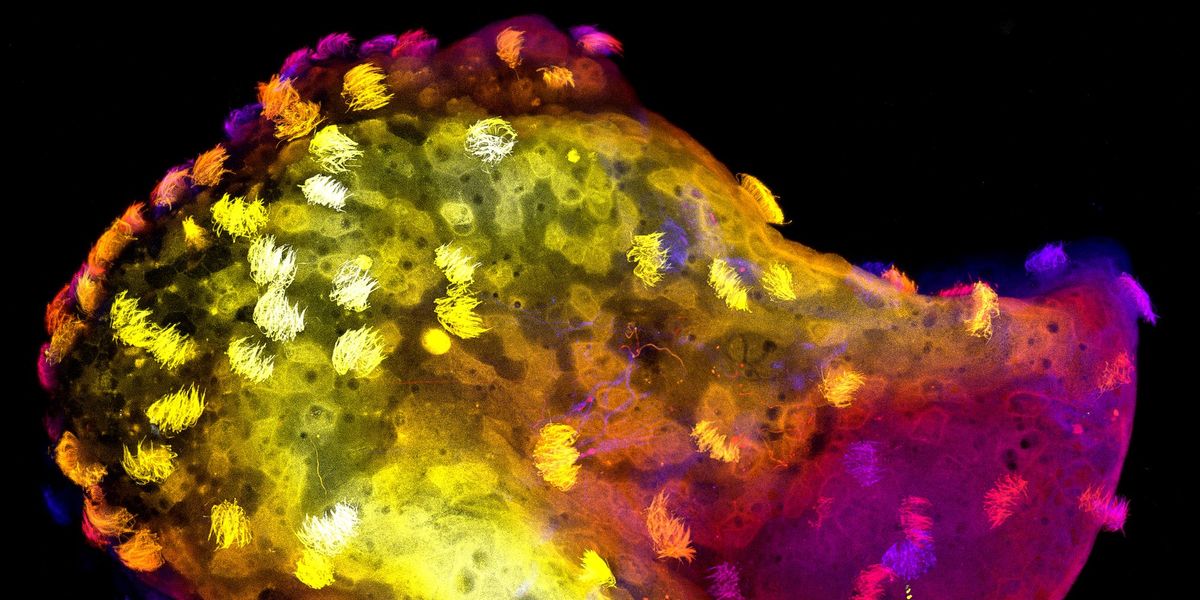
Scientists have successfully created living robots equipped with functional nervous systems capable of processing environmental information and generating coordinated responses. The breakthrough combines synthetic biology with robotics to produce self-organizing biological machines.
How the Neurobots Function
These "neurobots" integrate living neural tissue with engineered biological components, allowing them to sense stimuli and execute programmed behaviors. The nervous system enables real-time decision-making without external computational control.
Researchers used stem cell-derived neurons to create networks that can process multiple sensory inputs simultaneously. The biological circuits demonstrate learning capabilities and adaptive responses to changing conditions.
Applications and Next Steps
The technology could revolutionize medical robotics by creating biocompatible devices for drug delivery and tissue repair. Living robots with nervous systems offer advantages over traditional robots in biological environments where metal and silicon components cause rejection.
Scientists plan to scale up production and test more complex neural architectures. Future versions may incorporate memory formation and advanced sensory processing capabilities for autonomous biological computing systems.