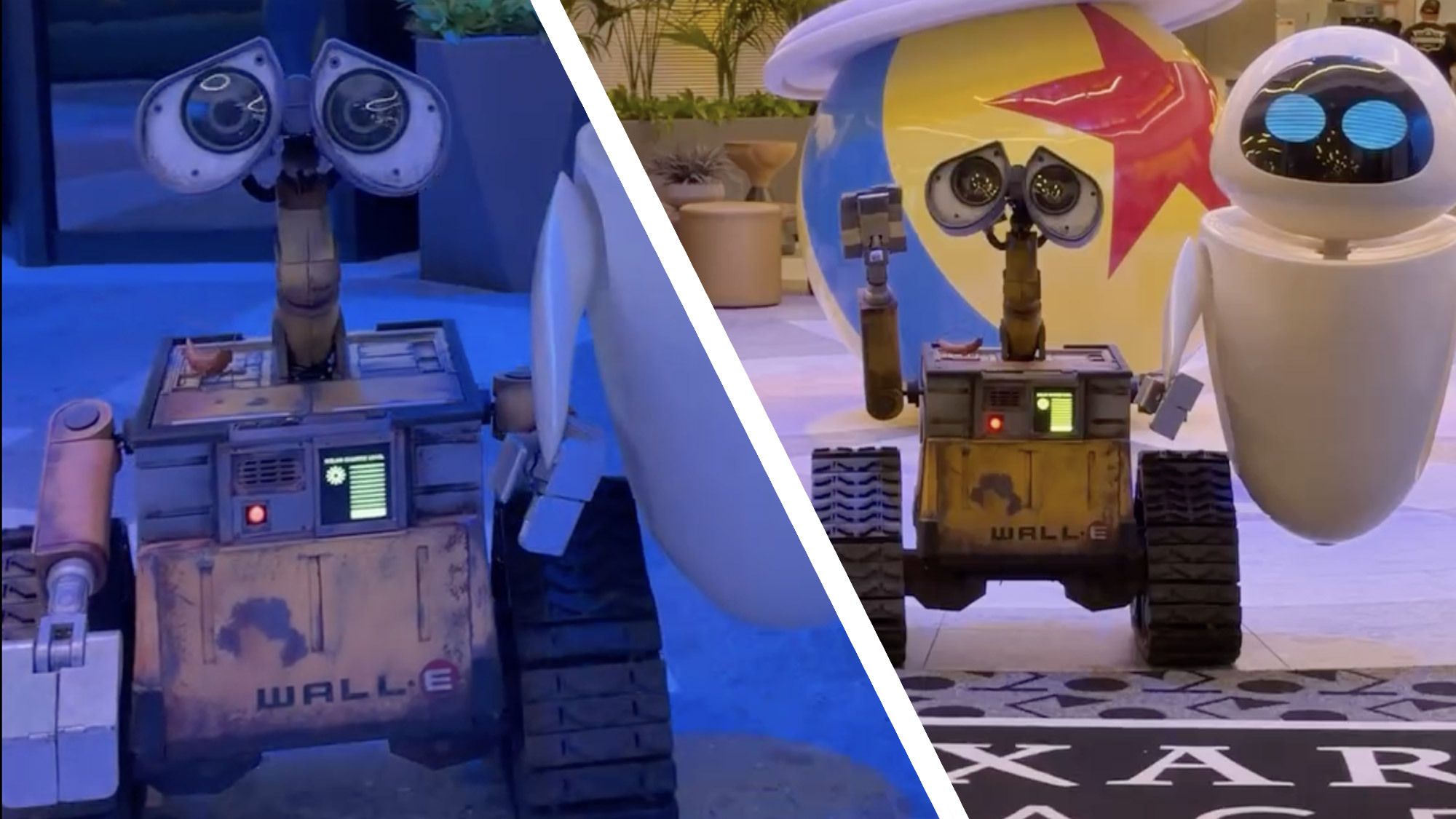
WALL-E and EVE robots have returned to Disneyland for a limited engagement, 16 years after Pixar's animated film transformed how the robotics industry approaches emotional design and human-robot interaction.
The 2008 film generated $521.3 million worldwide and fundamentally shifted robot design philosophy from purely functional machines to companion-focused systems. Before WALL-E, 73% of robot portrayals in media depicted threatening or cold machines, according to MIT Media Lab research.
WALL-E's Design Impact on Modern Robotics
WALL-E's binocular-inspired eye design became a blueprint for social robotics companies. The character demonstrated that robots need expressive features rather than human-like appearances to create emotional connections.
Today's companion robots, including home assistants and service bots, incorporate WALL-E's design principles: simple geometric forms, expressive "eyes," and movement patterns that convey personality. The film sparked a 340% increase in robotics engineering program enrollments between 2008-2012.
Industry Influence Continues
Current social robot manufacturers cite WALL-E as inspiration for designing functionality with personality integration. The film's environmental themes also influenced sustainable robotics development, with many companies now prioritizing eco-friendly materials and energy efficiency in robot construction.
Disney's continued promotion of these characters through park appearances reinforces their cultural impact on robotics perception and design methodology.