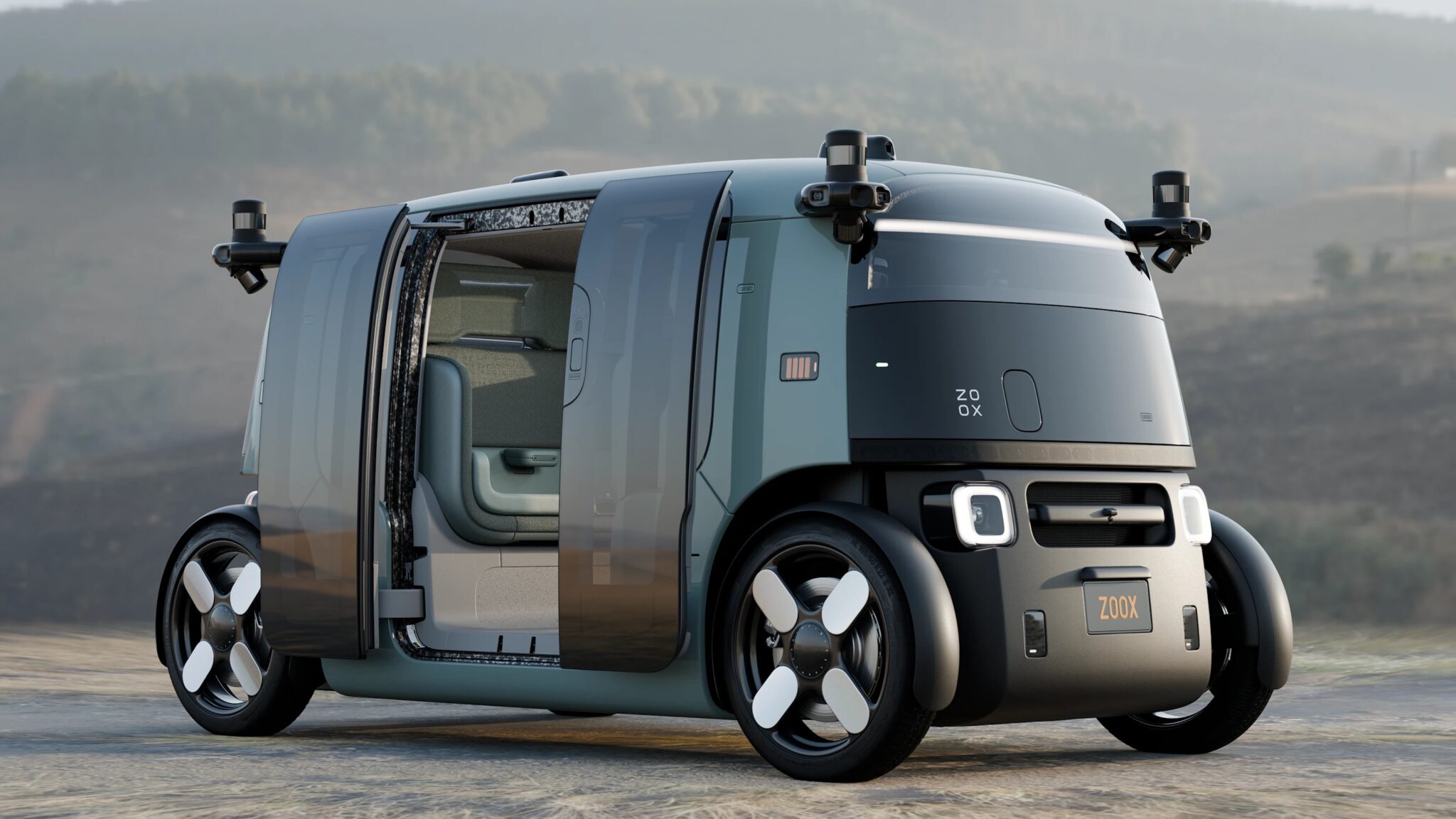
Amazon-owned Zoox has revealed the production-intent iteration of its purpose-built bidirectional robotaxi and confirmed a weekly output target of up to 100 vehicles at its serial-production facility in Hayward, California, subject to regulatory approval - the largest scale-up commitment yet from a U.S. dedicated robotaxi builder.
500,000 Riders Shape The Redesign
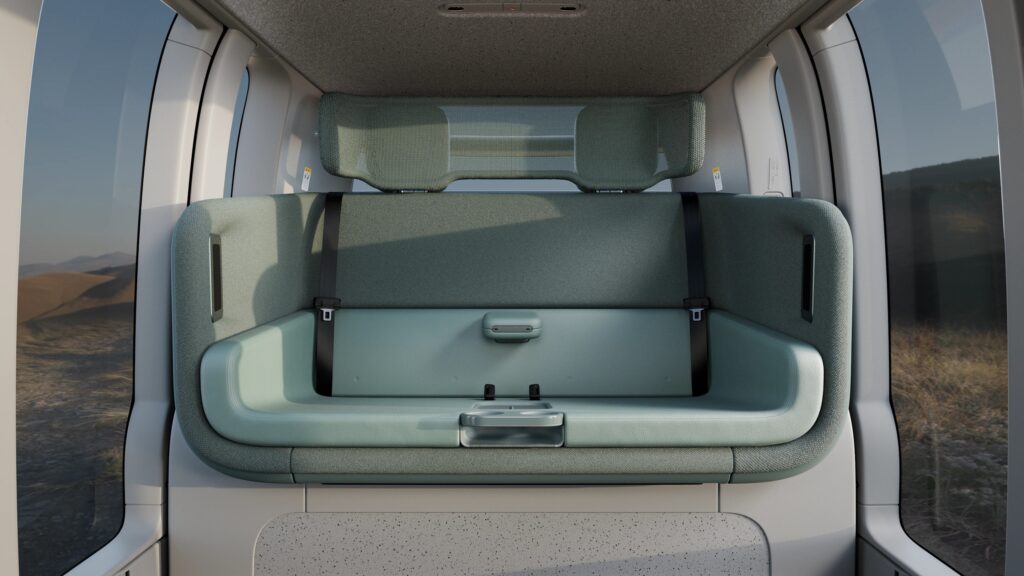
The carriage-style, face-to-face cabin remains, but Zoox has updated it with monochrome aloe-green seating, stone-grey flooring and trim, more comfortable seats and headrests, higher-quality touchscreens, fluted charging pads and larger cupholders. Bidirectional reflectors were relocated and refined for better visibility of the vehicle's front and rear, and the door interface added a new speaker, microphone and expanded two-way audio for riders, Zoox Support and first responders.
Hayward Ramp Is The Real Test
Zoox's Hayward factory targets "up to 100 units per week," the first serial production plan from a purpose-built robotaxi operator. Chris Stoffel, Zoox's director of robot industrial design and studio engineering, said the design continues to "further distinguish the Zoox experience from anything else available today." The first vehicles from the updated line will join the fleet as they come off the Hayward line, with Las Vegas riders the first to access them later in 2026.
Competitive Backdrop
The reveal follows Waymo's aggressive expansion: Alphabet's driverless unit turned off the safety driver in Las Vegas on July 8 with three more cities queued behind it, and it now runs roughly 3,500 vehicles. Tesla's Austin-based Robotaxi service still operates fewer than two dozen driverless vehicles. Zoox has been offering free rides on the Las Vegas Strip and running early-access programs in San Francisco while it builds the Hayward pipeline.
Why 100 Per Week Matters
Serial production is the threshold Zoox has not previously crossed. Half a million pilot rides have been preparatory; a factory throughput of 100 vehicles a week represents the phase where operational execution and supply chain, rather than technology validation, become the defining challenges. It also lets Zoox test whether its purpose-built, driver-less blank-sheet design holds up under commercial pressure without a conventional vehicle platform to fall back on.
Reporting based on coverage from Automotive World, CleanTechnica, Assembly Magazine, CNBC and Engadget.