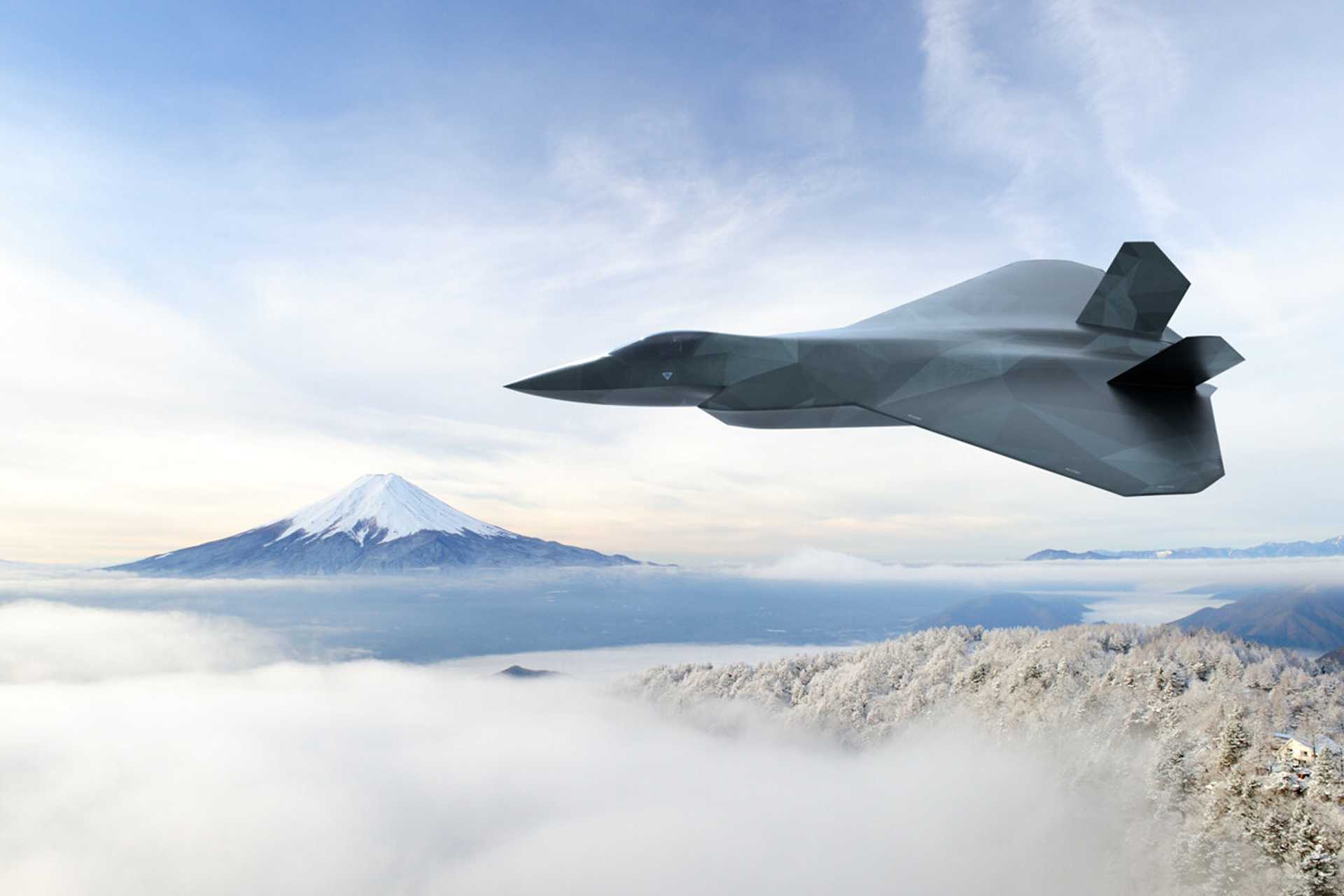
Canada is being formalized as the first official observer of the Global Combat Air Programme (GCAP) during the Farnborough International Airshow on July 21, 2026, giving Ottawa a structured window into the United Kingdom, Italy and Japan's sixth-generation stealth fighter effort without a financial commitment, workshare share or treaty vote. Defence Minister David McGuinty is expected to countersign the arrangement alongside UK Defence Secretary Dan Jarvis, Italian Defence Minister Guido Crosetto and Japanese Defence Minister Shinjiro Koizumi.
What observer status actually buys Ottawa
The observer arrangement lets Canadian officials examine GCAP's development schedule, security framework, engineering priorities and procurement routes while staying outside the GIGO treaty that governs the founding partners. Ottawa keeps its planned acquisition of up to 88 F-35A jets on track for the CF-18 replacement, and treats GCAP as a candidate for the force structure Canada will need from the late 2030s onward, when its future fighter must combine Arctic range, secure communications and dense sensor coverage with the ability to fly alongside collaborative combat aircraft.
Edgewing anchors a single engineering baseline
The observer step arrives less than three weeks after the GCAP Agency awarded Edgewing a £4.6 billion contract on July 3, 2026 covering roughly 18 months of engineering definition. Edgewing, owned in equal 33.3% shares by BAE Systems, Leonardo and Japan Aircraft Industrial Enhancement Company (JAIEC), acts as the single international prime, running one digital baseline for the aircraft's outer mold line, structural architecture, propulsion interfaces and weapons bay dimensions. That structure is designed to keep national versions from diverging and to give one company responsibility when a design change ripples across weight, cooling or radar signature.

Propulsion, sensors and range set the design floor
Rolls-Royce, Avio Aero and IHI are jointly developing the propulsion system, with electrical generation and heat management treated as core requirements rather than afterthoughts. The G2E consortium handles integrated sensing, communications and non-kinetic effects, folding radar, electronic warfare and data fusion into a single mission system. BAE Systems has indicated the aircraft will run three to four metres longer than the Eurofighter Typhoon, placing it in the 19-to-20-metre class, with enough internal fuel for a transatlantic flight without aerial refuelling. That range profile is directly relevant to Ottawa's Arctic and North Atlantic tasks, where bases can sit more than 1,000 km from the operating area.
Widening the club without slowing 2035
Australia, India, Germany, Poland, Sweden, Singapore and Saudi Arabia have all shown interest in GCAP, but Canada is the first to secure observer status. Full accession would still require unanimous approval from London, Rome and Tokyo, plus renegotiation of financing, IP, export controls and workshare, and Japan in particular has resisted anything that could push the 2035 service-entry target. The observer route lets Ottawa evaluate industrial contributions in simulation, avionics, software and materials research alongside its collaborative combat aircraft and counter-drone investments, without reopening the workshare structure already assigned to the three founding countries.
Reporting based on coverage from Army Recognition, Politico and Defence Connect.