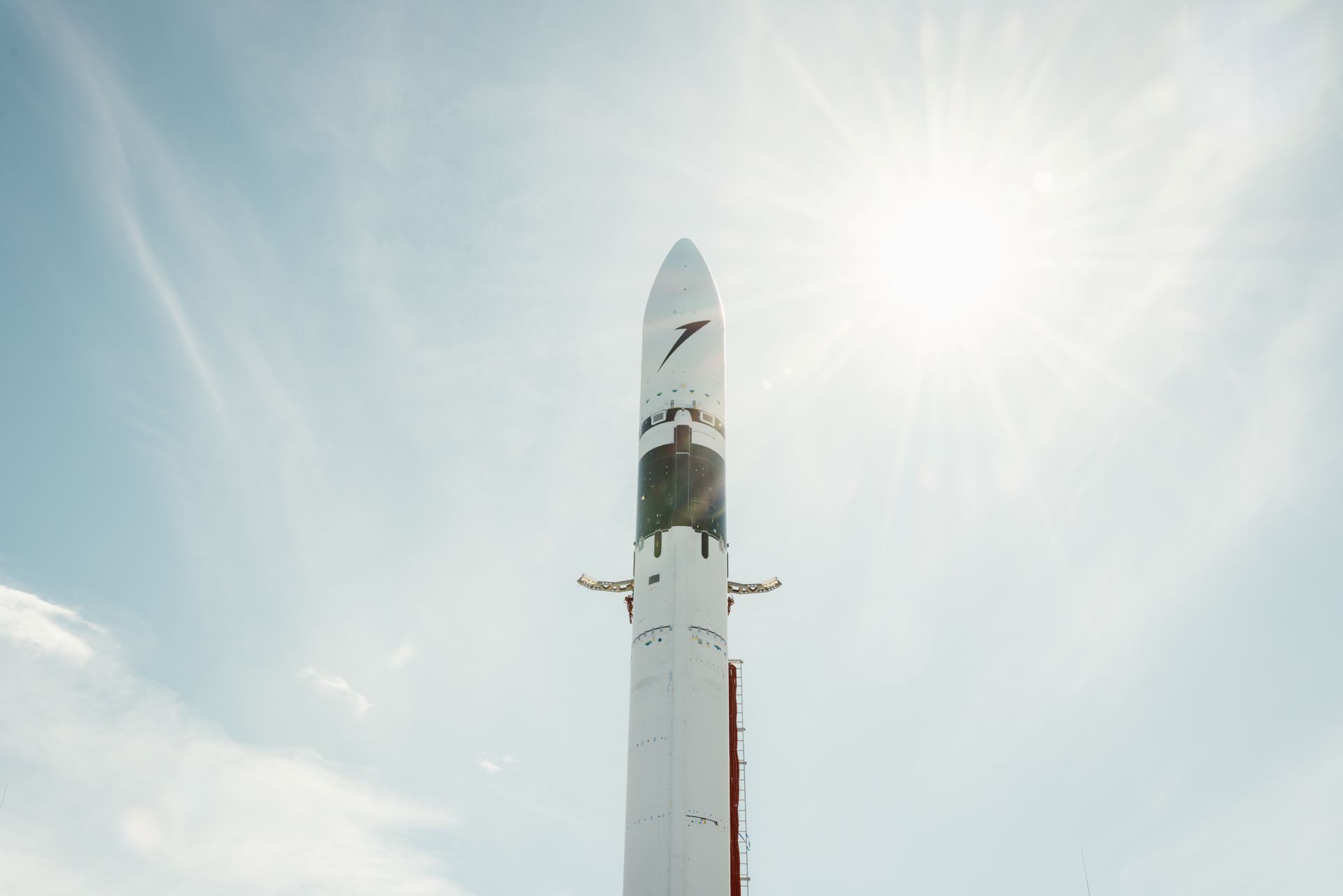
German launch startup Isar Aerospace has signed a contract with Earth-imaging company Planet Labs to launch one of Planet's next-generation Pelican satellites on its Spectrum rocket as early as late 2026, the companies announced July 2 — a marquee commercial win for Europe's leading privately funded launcher.
A German Satellite on a German Rocket
The two companies cast the deal as a milestone for sovereign European space capability: Pelican satellites will be built at Planet's new manufacturing facility in Berlin, meaning a German-built satellite will fly on a German-built rocket. The launch itself will lift off from Isar's exclusive pad at the Andøya Space complex in Norway, with additional satellites planned for future flights.
"This collaboration underscores the strength and growing strategic importance of the German and European space ecosystem," said Isar Aerospace CCO Stella Guillen, pointing to Europe's opportunity to build resilient space capabilities for security and economic growth. The deal follows a wave of European sovereignty-driven space activity, from Eclipse Space's sovereign constellation play to MDA Space's Japanese defence payload win.
Pelican: Planet's Biggest Bird
Pelican is Planet's high-resolution tasking line and the largest spacecraft in its fleet at roughly 200 kilograms — comfortably within Spectrum's 1,000 kg to LEO capacity. Planet announced in 2025 that it would double Pelican manufacturing capacity with the Berlin facility, deepening its European industrial footprint.

Second Flight Pending
The contract is a vote of confidence in a rocket still working toward orbit. Spectrum's first test flight in March 2025 ended early due to a pressurization valve issue, and Isar recently stood down from a second-flight attempt on June 15. The Munich-based company, which has raised more than €500 million in private capital and secured a further €270 million in June to provide sovereign space capabilities globally, is preparing its next attempt to validate the vehicle.
Commercial launch competition is intensifying globally, with Rocket Lab setting responsive-launch records and servicing players like Starfish Space raising $100 million to extend satellite lifetimes.
Reporting based on coverage from Via Satellite.