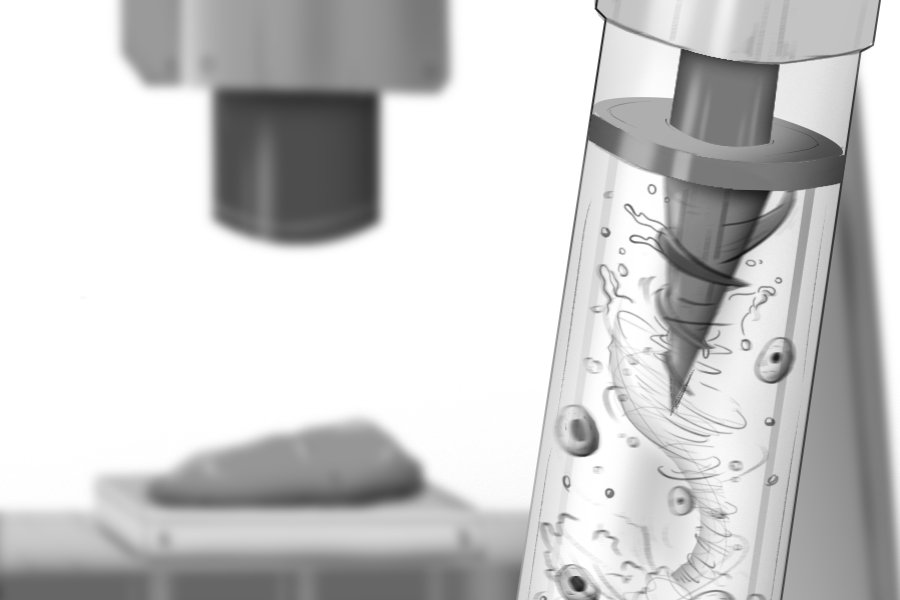
MIT researchers have developed a magnetic mixing system that enhances 3D bioprinting by maintaining cell viability and improving material consistency during the printing process. The technology addresses a critical challenge in bioprinting where cells often die or become damaged due to inadequate mixing of bioinks.
Enhanced Cell Survival Through Magnetic Control
The magnetic mixer uses controlled magnetic fields to gently agitate bioink materials without the mechanical stress that typically damages living cells. Traditional mixing methods can reduce cell viability by up to 40% during the printing process, while the new system maintains over 90% cell survival rates.
The system integrates directly into existing 3D bioprinters, allowing researchers to maintain consistent material properties throughout extended printing sessions. This consistency is crucial for creating complex tissue structures that require uniform cell distribution.
Applications in Tissue Engineering
The technology shows immediate applications in printing liver tissue, skin grafts, and cartilage structures. MIT's tests demonstrate that tissues printed with the magnetic mixing system show 60% better structural integrity compared to conventional methods.
The research team plans to commercialize the technology through licensing partnerships with bioprinting equipment manufacturers. Clinical trials for printed tissue applications could begin within 18 months, pending regulatory approval.