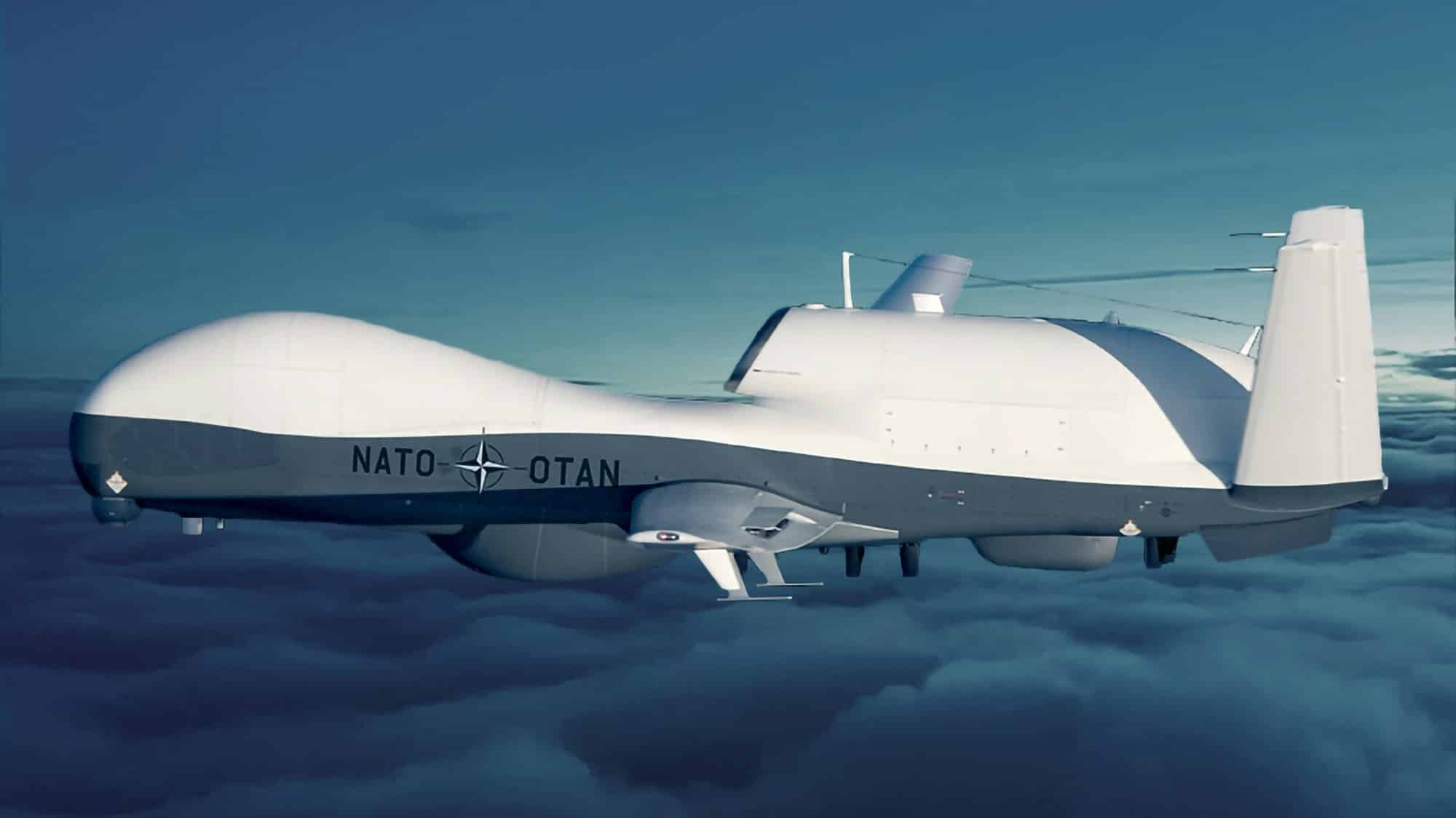
NATO Buys Up To Five Northrop Grumman MQ-4C Triton Drones At Ankara Summit
Denmark, Finland, Germany and Norway will procure up to five MQ-4C Triton unmanned aircraft as NATO expands its ISR fleet, with Airbus and other European industry building the ground and data segments.
Key Takeaways
Denmark, Finland, Germany and Norway will procure up to five Northrop Grumman MQ-4C Triton drones for NATO's ISR Force, announced July 7 at the NATO Summit Defense Industry Forum in Ankara.
The Tritons will complement NATO's RQ-4D Phoenix Global Hawk fleet at Sigonella, Italy, focusing on maritime patrol, Arctic and High North surveillance and protecting sea lines of communication.
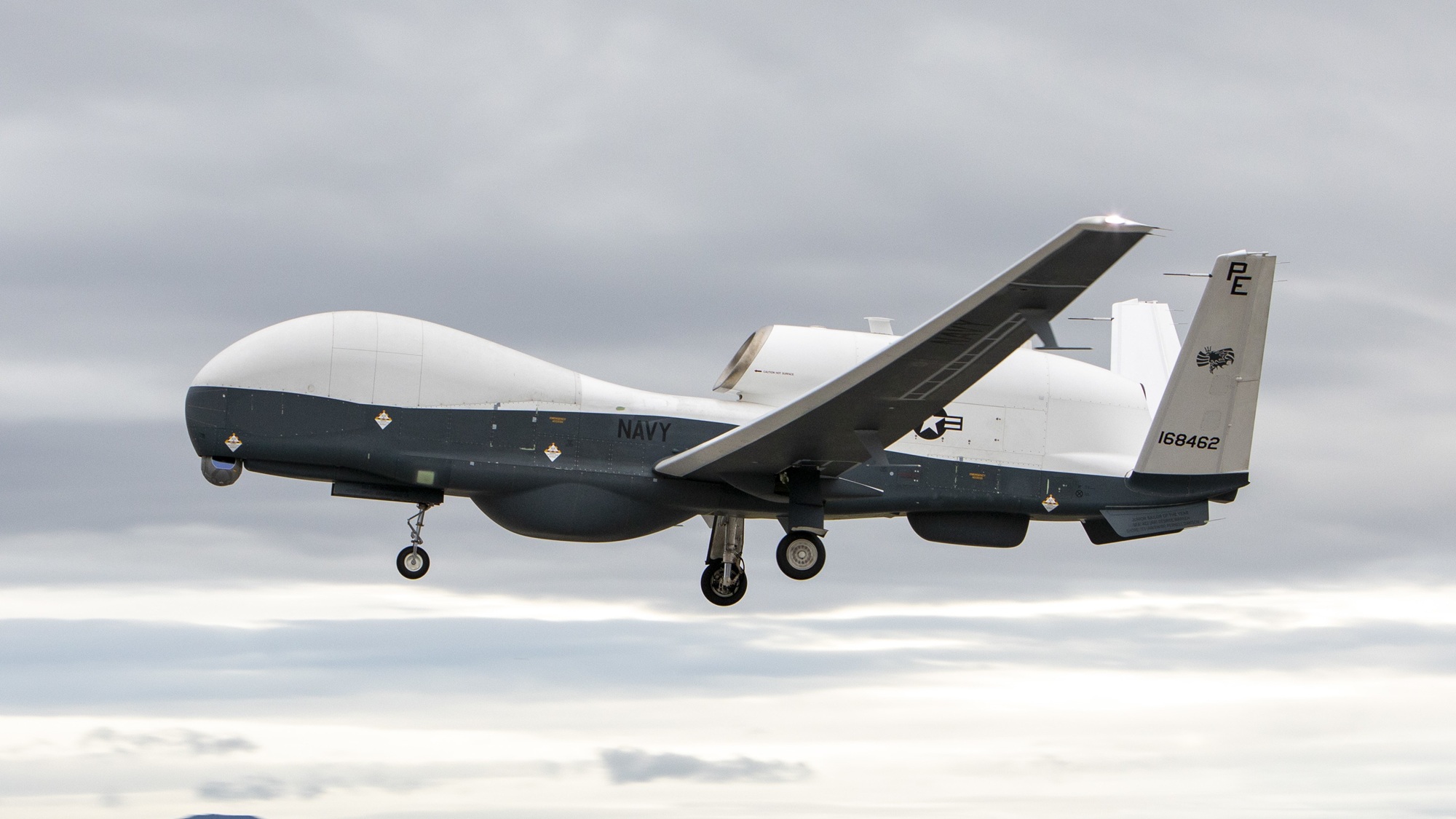
The Triton, derived from the RQ-4B Global Hawk, carries the AN/ZPY-3 radar and offers 24-hour endurance, altitudes above 50,000 feet and an 8,200 nautical mile range.
Northrop Grumman builds the airframes while Airbus Defence and Space and other European firms deliver the ground segment, data management, command and control, infrastructure and mission support.
The summit also confirmed a multinational A400M airlift pool, over $40 billion in counter-drone investments over five years, HALO and STARLIFT space programs, and plans to train five times as many drone operators by end of 2027.
Kaan Tınmaz
NATO announced on July 7 that Denmark, Finland, Germany and Norway will procure up to five Northrop Grumman MQ-4C Triton high-altitude long-endurance unmanned aircraft, expanding the alliance's Intelligence, Surveillance and Reconnaissance Force. The commitment was made at the NATO Summit Defense Industry Forum in Ankara, Turkey and pairs a US-built airframe with a European-led ground and data segment.
Complementing the RQ-4D Global Hawk fleet
The Tritons will complement the RQ-4D Phoenix aircraft of the Alliance Ground Surveillance Fleet based in Sigonella, Italy, and are aimed at maritime patrol and Arctic surveillance. NATO said the platform will strengthen the alliance's ability to detect threats early, protect sea lines of communication and support operations in the Arctic and the High North. The Triton is derived from the US Air Force's RQ-4B Global Hawk and carries the AN/ZPY-3 multi-function active-sensor radar, giving it 24-hour endurance, altitudes above 50,000 feet and an 8,200 nautical mile range.
Airbus leads a transatlantic industrial consortium
NATO described the arrangement as a transatlantic industrial consortium: Northrop Grumman will build the drones while Airbus Defence and Space and other European companies will supply the ground segment, data management, command and control, infrastructure and mission support. It signals how deeply NATO wants European primes woven into future US-led ISR platforms, and follows Saab GlobalEye's earlier selection as the E-3 AWACS replacement.
Which NATO countries are buying the MQ-4C Triton drones?
Denmark, Finland, Germany and Norway will procure up to five MQ-4C Triton unmanned aircraft to expand NATO's Intelligence, Surveillance and Reconnaissance Force.
What missions will NATO's Tritons perform?
They will focus on maritime patrol and Arctic surveillance, helping NATO detect threats early, protect sea lines of communication and support operations in the Arctic and High North, complementing the RQ-4D Phoenix fleet based in Sigonella, Italy.
What are the MQ-4C Triton's key capabilities?
Derived from the US Air Force RQ-4B Global Hawk, the Triton carries the AN/ZPY-3 multi-function active-sensor radar and offers 24-hour endurance, flight above 50,000 feet and an 8,200 nautical mile range.
What role does European industry play in the deal?
Airbus Defence and Space and other European companies will supply the ground segment, data management, command and control, infrastructure and mission support, forming a transatlantic consortium with US airframe builder Northrop Grumman.