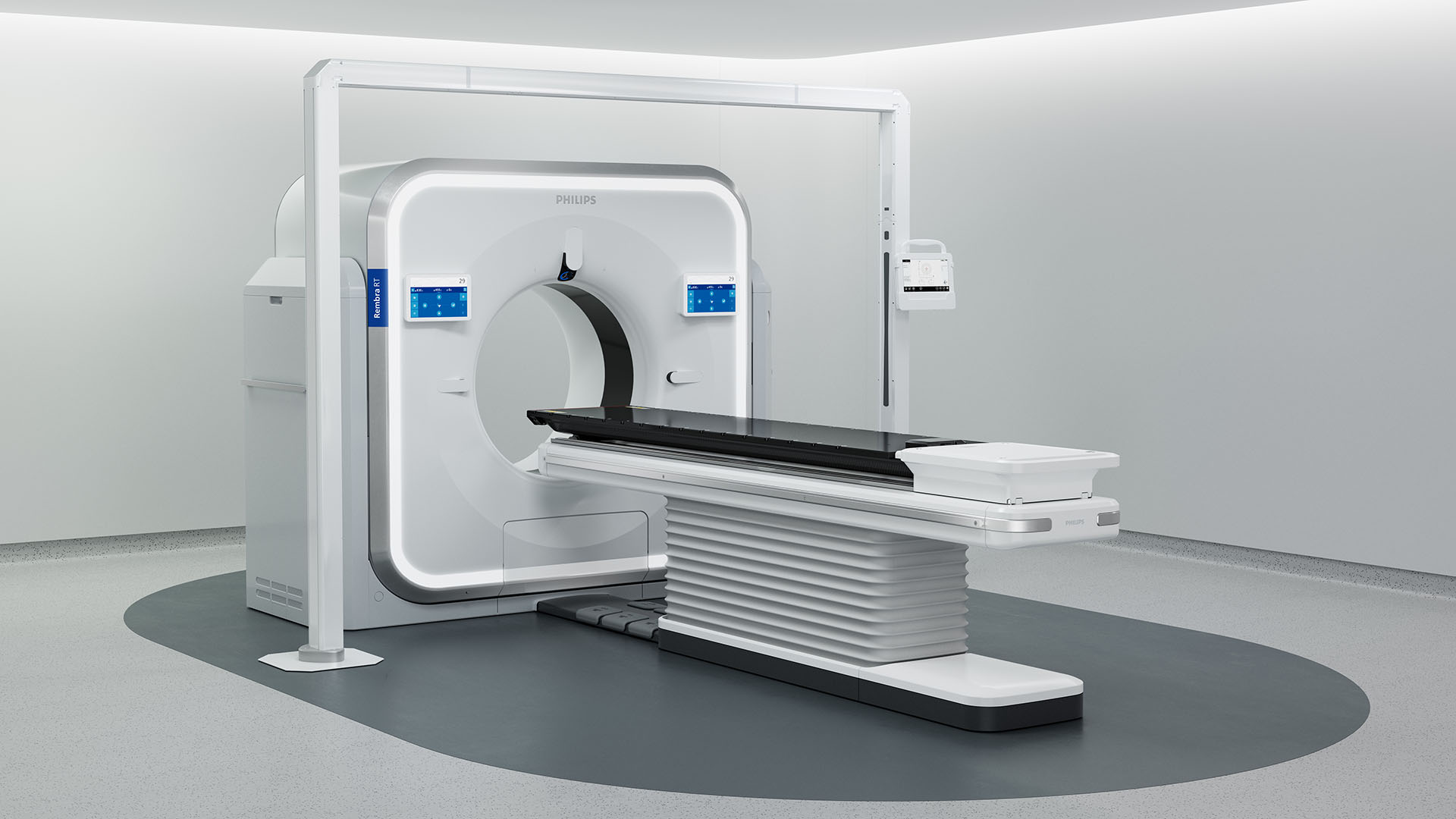

Royal Philips picked up FDA 510(k) clearance for its Spectral CT 7500 RT platform paired with AI-powered Verida image reconstruction, the Dutch medtech giant disclosed on May 29, 2026. The system pushes Philips deeper into a wave of regulatory wins for AI-enabled imaging hardware that combine dual-energy spectral CT with deep learning reconstruction to speed up reads and stretch radiology department throughput.
What Verida Adds to the Spectral CT 7500 RT
Verida is Philips's neural-network-based reconstruction engine, trained to denoise raw projection data while preserving texture, lesion conspicuity and quantitative spectral values. With the new clearance, the Spectral CT 7500 RT can reconstruct up to 145 images per second, complete entire CT exams in under 30 seconds and support up to 270 exams per day. Crucially, it captures high- and low-energy data simultaneously, allowing simultaneous viewing of conventional CT and spectral results without an extra acquisition.
Why Spectral CT Matters
Spectral CT, sometimes called dual-energy CT, lets radiologists characterize tissues based on how different materials attenuate X-rays at different photon energies. That makes it easier to differentiate iodine contrast from calcium, characterize kidney stones, detect pulmonary embolism with iodine maps and quantify perfusion. Pairing those physics with neural reconstruction reduces dose, shortens scan times and improves consistency across patient body habitus.
Workflow and AI Layered on Top
The 510(k) covers core reconstruction, but Philips has been positioning the Spectral CT 7500 RT as the host for an expanding stack of FDA-cleared AI applications, including automated organ segmentation, opportunistic screening tools and protocols tailored to oncology and stroke workflows.
The clearance lands amid a rapid acceleration in radiology AI authorizations. The FDA has now added more than 1,000 radiology AI tools to its list of authorized AI-enabled medical devices and is clearing roughly one AI/ML application every 31 hours. Recent examples include Subtle Medical's SubtleHD PET clearance that cut scan times up to 75% and Perimeter Medical's Claire AI imaging system for breast cancer surgery, both of which leaned on AI reconstruction or interpretation to justify clearance.
Competitive Stakes
Philips is squaring off against GE HealthCare, Siemens Healthineers and Canon Medical, all of whom now offer photon-counting or dual-source CT platforms with deep learning reconstruction. The competitive cut is moving from raw image quality to clinical productivity, radiation dose reduction and integration into PACS and reporting platforms. The Verida clearance gives Philips a fresh story for hospital procurement teams that are evaluating fleet refreshes through 2027.
What to Watch Next
Expect Philips to roll Verida out to existing Spectral CT 7500 RT customers as a software update where possible, while marketing it as a flagship feature in new installations. The next regulatory test will be expanded clearances that pair Spectral CT 7500 RT with specialty AI workflows in cardiology and oncology, both areas where AI-enabled spectral imaging is on a clear path toward becoming the default standard of care.
Reporting based on coverage from Diagnostic Imaging and Philips.