SGE Files for 14 BWRX-300 SMRs in £35B UK Nuclear Fleet Bid
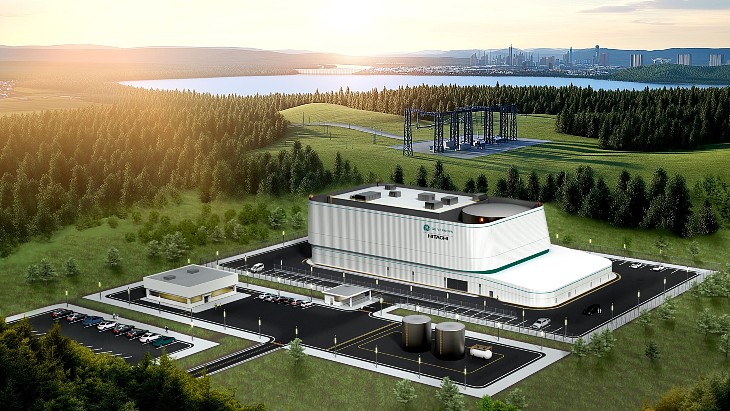
SGE, formerly Synthos Green Energy, submitted plans for 14 GE Vernova Hitachi BWRX-300 SMRs across three UK sites, worth 4.2 GW and about 11% of British power demand.
Key Takeaways
SGE (formerly Synthos Green Energy), owned by Polish billionaire Michał Sołowow, filed plans on July 2 for 14 GE Vernova Hitachi BWRX-300 SMRs across three UK sites — 4.2 GW, about 11% of British electricity demand.
The £35 billion privately financed programme would place six units at an initial site and four at each of two others, with each SMR targeted at £2.2–2.5 billion in fleet mode; SGE has already spent about £50 million to reach the application stage.
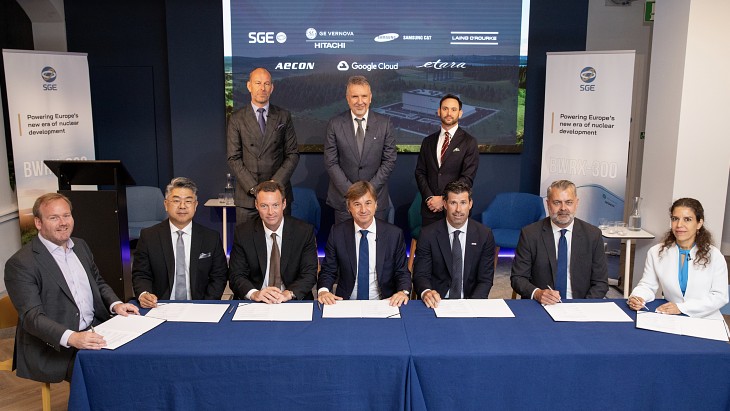
Partners include GE Vernova Hitachi, Samsung C&T, Laing O'Rourke, Aecon, Fermi Development and Etara, with Google Cloud as technology partner and potential investor in on-site data centres.
SGE seeks a modified Contract for Difference with better risk-sharing than the Hinkley Point C model and is not asking the UK government for capital.
Timeline: entry into the Advanced Nuclear Pipeline this November, site selection and negotiations in H1 2027, final investment decision in 2030, and first-unit commercial operation in 2034.
Kaan Tınmaz
Polish billionaire Michał Sołowow's private nuclear developer SGE has submitted plans to build 14 GE Vernova Hitachi BWRX-300 small modular reactors across three sites in the United Kingdom, in a fleet bid that would deliver 4.2 GW of capacity — roughly 11% of current British electricity demand — under the government's Advanced Nuclear Framework, the group announced on July 2.
A £35 billion privately financed programme
SGE (formerly Synthos Green Energy) says it has already invested about £50 million ($66 million) to get to the application stage, filing a 1,500-plus-page submission through its UK vehicle SGE SMR UK Ltd. The initial site would host six BWRX-300 units, followed by four at each of two additional sites. Locations will be released "in the near future", pending negotiations. Once in fleet mode, each SMR is targeted to cost about £2.2–2.5 billion ($2.9–3.3 billion), broadly in line with the Hinkley Point C strike-price band.
A heavyweight partner roster
SGE's deployment team includes reactor vendor GE Vernova Hitachi Nuclear Energy, Samsung C&T, Laing O'Rourke, Aecon Group, Fermi Development and advisory firm Etara. Google Cloud joins as a technology partner and, SGE said, a possible investor in on-site data centres. GE Vernova Hitachi CEO Jason Cooper said the plan taps into growing European momentum behind SMRs and complements Aecon's ongoing Darlington BWRX-300 construction in Ontario, Canada.
Contract for Difference — and no public capital ask
SGE proposes financing under a modified Contract for Difference scheme, arguing it can bring risk-sharing improvements over the Hinkley Point-style model to unlock private capital. Sołowow stressed the group is not asking the UK government for money, "we are asking for the opportunity — our risk, if we don't deliver." The company targets entry into the Advanced Nuclear Pipeline this November, site selection and government negotiations in H1 2027, a final investment decision in 2030 and first-unit commercial operation in 2034. The bid runs parallel to Poland's SMR programmes and the UK's Rolls-Royce SMR selection at Wylfa, positioning fleet-scale SMRs as the next battle for European clean-power baseload.
Reporting based on coverage from World Nuclear News, Notes from Poland and Power Magazine.
SGE has submitted plans under the UK's Advanced Nuclear Framework to build 14 GE Vernova Hitachi BWRX-300 small modular reactors across three sites, totaling 4.2 GW — roughly 11% of current British electricity demand — in a £35 billion privately financed programme.
How will the SMR fleet be financed?
SGE proposes a modified Contract for Difference scheme with improved risk-sharing over the Hinkley Point C model to unlock private capital. Owner Michał Sołowow says the group is not asking the UK government for money, only the opportunity, taking on the delivery risk itself.
Who are SGE's partners on the project?
The team includes reactor vendor GE Vernova Hitachi Nuclear Energy, Samsung C&T, Laing O'Rourke, Aecon Group, Fermi Development and advisory firm Etara, plus Google Cloud as a technology partner and possible investor in on-site data centres.
When would the first reactor start operating?
SGE targets entry into the Advanced Nuclear Pipeline this November, site selection and government negotiations in the first half of 2027, a final investment decision in 2030, and first-unit commercial operation in 2034.