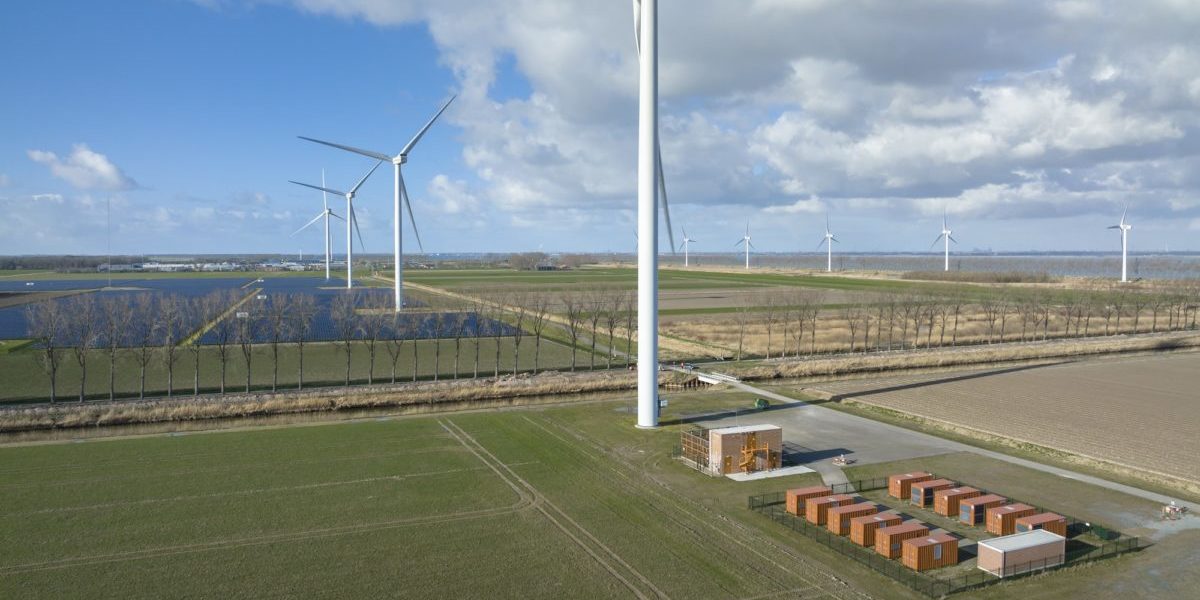
Wind and solar power generated more electricity worldwide than gas-fired plants for the first time ever in April 2026, according to an analysis published this week by the energy think tank Ember. The crossover marks a structural shift in the global power mix that has been building for years.
A historic crossover in the global power mix
Ember's figures show that wind and solar together produced a record 531 terawatt-hours (TWh) in April, equal to roughly 22% of global electricity. Gas-fired power plants supplied 477 TWh, or about 20%. The 54 TWh gap is modest, but it is the first time the two renewable sources have outproduced gas in any single month.
The scale of the change becomes clear when set against the recent past. In April 2021, gas generation stood at a nearly identical 476 TWh, while wind and solar combined produced just 245 TWh, less than half of gas. Five years of rapid deployment have closed that gap entirely.
What drove the milestone
Analysts attributed the result to sustained growth in wind and solar capacity, which was large enough to cover most of the increase in global electricity demand while limiting the rise in gas-fired generation. Rising demand from electrification, manufacturing and energy-hungry AI computing has kept pressure on power systems, yet renewables absorbed the bulk of that growth in April.
Spring in the Northern Hemisphere is the most likely window for such a milestone: strong seasonal winds combine with rising solar output, while electricity demand sits between the heating and cooling peaks. Continued progress in energy storage is also helping grids absorb more variable renewable generation.
Why a single month matters
Ember cautioned that wind and solar have surpassed gas only in this one month, not on an annual basis. Even so, the symbolic weight is significant. The milestone was reached during the first full month of a global energy crisis triggered by conflict in the Middle East, yet there was no broad shift back to coal.
Implications for energy security
"The current energy crisis has further highlighted the economic advantages of renewable energy over imported gas," said Ember analyst Kostantsa Rangelova, adding that political pressure to accelerate deployment is growing. For countries dependent on imported liquefied natural gas, the analysts argue, wind and solar increasingly look like the more affordable, domestic and secure option. The trend complements other low-carbon efforts, including advanced nuclear projects now moving forward.
Reporting based on coverage from pv magazine and Ember.