Tsinghua Retains RoboCup 2026 Humanoid League Title on Booster T1
Team Tsinghua Huoshen defended its Humanoid League crown at RoboCup 2026 in Incheon, riding the Booster T1 platform that powered more than 70 percent of the field.
Key Takeaways
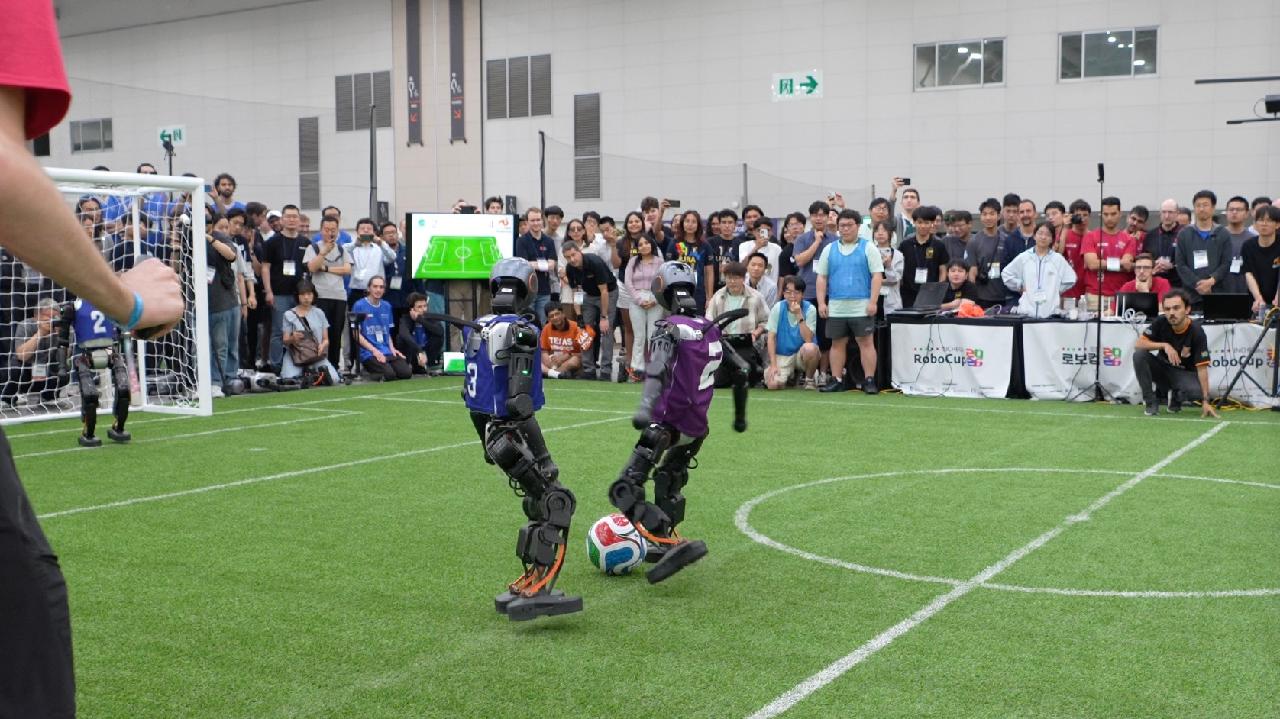
Tsinghua Huoshen (formerly Hephaestus) defended its RoboCup Humanoid League title on July 5, 2026 in Incheon, beating Team Mountain and Sea from China Agricultural University in the AdultSize final.
Chinese teams swept gold, silver and bronze in the newly merged Humanoid League, with over 70% of teams running Booster Robotics platforms (Booster T1 or K1).
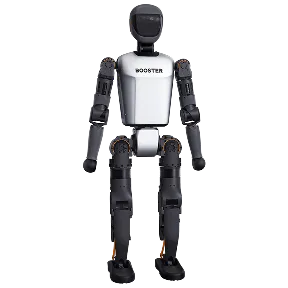
The winning Booster T1 is a 1.18 m, 30 kg humanoid with up to 200 TOPS of on-board AI compute, retailing around $33,949.
RoboCup 2026 required fully autonomous play, with teams leveraging Booster's open-source stack (Booster Gym, Booster Train, Booster Deploy) for sim-to-real transfer.
The repeat win reinforces perceptions of China's early lead in affordable, developer-friendly humanoid hardware amid commercial pushes by Robotera, State Grid and AI2 Robotics.
Kaan Tınmaz
China's team Tsinghua Huoshen retained its RoboCup Humanoid League world title on Sunday, July 5, 2026, closing out the 2026 tournament in Incheon, South Korea with a back-to-back championship powered by the Booster T1 humanoid from Beijing-based Booster Robotics.
A Chinese Sweep of the Humanoid League
The Tsinghua University squad, competing as Tsinghua Huoshen (a rebrand of last year's Hephaestus team), beat Team Mountain and Sea from China Agricultural University in the AdultSize final to defend the title it captured in Salvador in 2025. Chinese teams took gold, silver and bronze across the newly merged Humanoid League divisions, with more than 70 percent of the competing teams running Booster Robotics platforms — either the 1.18 m Booster T1 or the compact Booster K1 — according to organiser tallies published after the tournament.
Fully Autonomous, Fully Open
RoboCup 2026 emphasised fully autonomous play: every robot had to perceive the field, track the ball, coordinate with teammates and shoot without a human in the loop. Booster's open-source stack — Booster Gym for reinforcement-learning locomotion, Isaac-Lab-based Booster Train and the Sim2Real Booster Deploy toolkit — was used by dozens of university teams to bring their strategies from simulation to the pitch in Incheon. The Booster T1 delivers up to 200 TOPS of on-board AI compute at 30 kg, making it one of the few off-the-shelf research humanoids capable of running end-to-end vision-language-action stacks live during matches.
Team Tsinghua Huoshen from Tsinghua University won the AdultSize final at RoboCup 2026 in Incheon, South Korea, defeating Team Mountain and Sea from China Agricultural University and defending the title it won in Salvador in 2025.
What robot did the winning team use?
Tsinghua Huoshen competed on the Booster T1, a 1.18 m, 30 kg humanoid from Beijing-based Booster Robotics with up to 200 TOPS of on-board AI compute, priced around $33,949. More than 70% of competing teams used Booster T1 or K1 platforms.
Were the robots at RoboCup 2026 fully autonomous?
Yes. Every robot had to perceive the field, track the ball, coordinate with teammates and shoot without a human in the loop, with many teams using Booster's open-source tools (Booster Gym, Booster Train, Booster Deploy) to move strategies from simulation to real matches.
Why does this win matter for the broader humanoid robotics industry?
While RoboCup results don't directly translate to commercial deployments, a back-to-back title on a home-grown platform reinforces the view that China is building an early lead in affordable, developer-friendly humanoid hardware, alongside moves like Robotera's logistics deployments, State Grid's 8,500-robot order and AI2 Robotics' $735M raise.