Absentia Labs' Digital Liver Becomes First AI Drug Tool Into FDA ISTAND
Absentia Labs' Digital Liver Model has been accepted into the U.S. FDA's ISTAND qualification pathway, becoming the first AI-driven Drug Development Tool to enter the program.
Key Takeaways
Absentia Labs' Digital Liver Model was accepted into the FDA's ISTAND Drug Development Tool Qualification Program on July 7, 2026, becoming the first AI-driven Drug Development Tool to enter the pathway.
The model targets Drug-Induced Liver Injury (DILI), which the FDA calls one of the most significant safety concerns in drug development and a leading cause of clinical trial termination.
The tool combines mechanistic hepatic biology with a generative-AI backbone trained on multi-species drug-response data, enabling sponsors to flag liver-injury risk and re-rank candidates before human trials.
ISTAND qualification would let sponsors use the tool across programs without repeating fitness-for-purpose reviews for each IND filing; if the three-stage process succeeds, Digital Liver DILI output could be cited directly in IND packages by 2027.
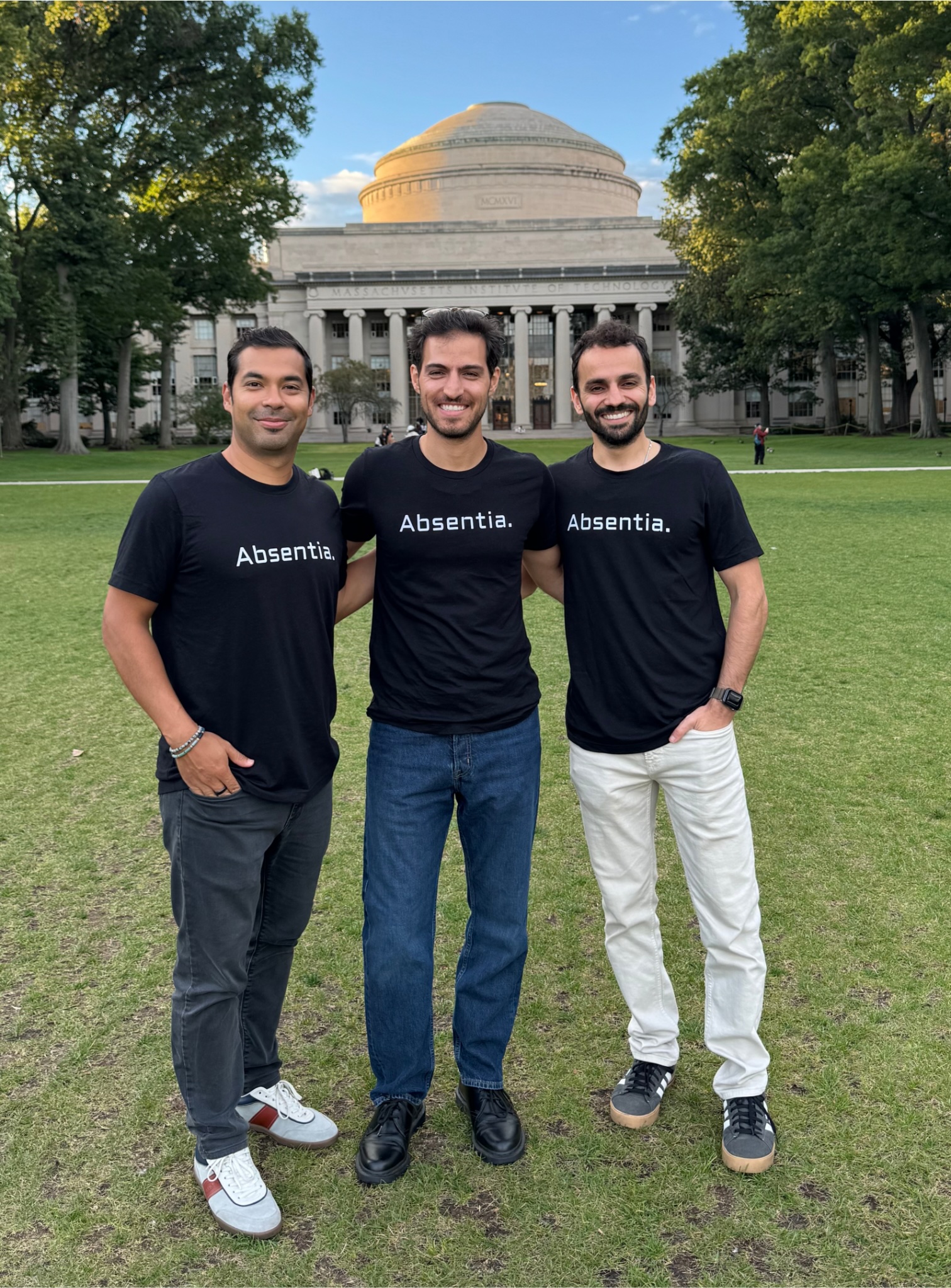
Absentia, founded in Boston in 2024 by an MIT/Harvard-linked team, plans additional organ models as part of a broader AI-of-biology platform, amid regulatory pressure to reduce animal testing under new approach methodologies (NAMs).
Kaan Tınmaz
Boston-based biotech Absentia Labs announced on July 7, 2026 that its Digital Liver Model has been accepted into the U.S. Food and Drug Administration's Innovative Science and Technology Approaches for New Drugs (ISTAND) Drug Development Tool Qualification Program — the first AI-driven Drug Development Tool to enter the pathway.
What ISTAND unlocks
ISTAND qualification lets a drug-development tool be used across programs and sponsors without repeating a fitness-for-purpose review for every Investigational New Drug filing. The Digital Liver Model targets Drug-Induced Liver Injury (DILI), which the FDA calls one of the most significant safety concerns in drug development and a leading cause of clinical trial termination. Existing modelling — standard animal studies and in vitro assays — fails to capture the metabolic, genetic and immune variability that drives real-world liver response.
Mechanistic biology meets generative AI
Absentia's approach combines mechanistic hepatic biology with a generative-AI backbone trained on multi-species drug-response data, letting sponsors flag liver-injury risk earlier and re-rank candidates before human trials. The company was named among the winners of the precisionFDA Predictive Modeling of Hepatotoxicity in Animals Challenge, evaluated against submissions from leading pharma and academic labs.
Founding team out of MIT
Absentia was co-founded in Boston in 2024 by CEO Farhan Khodaee, PhD (Harvard-MIT Biomedical Engineering Center), CTO Rohola Zandie, PhD (MIT postdoctoral associate specialising in generative AI and computational biology) and COO Robert Betancort, MBA, a three-time founder focused on biotech commercialisation. Their research has been published in Nature Computational Science, ICLR and IEEE Transactions on Affective Computing.
Digital Liver is only the first application of Absentia's broader AI-of-biology platform. The company says additional organ models are under development and it will pursue full FDA qualification through the three-stage ISTAND process, starting with the Letter of Intent milestone already granted. If successful, sponsors could cite Digital Liver DILI output directly in IND packages by 2027.
Reporting based on coverage from BioSpace, ACCESS Newswire and the U.S. Food and Drug Administration.
What is the FDA ISTAND program and why does acceptance matter?
ISTAND (Innovative Science and Technology Approaches for New Drugs) is an FDA Drug Development Tool Qualification Program. Once a tool is qualified, it can be used across programs and sponsors without repeating a fitness-for-purpose review for every Investigational New Drug filing. Absentia's Digital Liver Model is the first AI-driven Drug Development Tool accepted into the pathway.
What does Absentia Labs' Digital Liver Model do?
It predicts Drug-Induced Liver Injury (DILI) risk by combining mechanistic hepatic biology with a generative-AI backbone trained on multi-species drug-response data, capturing metabolic, genetic and immune variability that standard animal studies and in vitro assays miss. This lets sponsors flag liver-injury risk earlier and re-rank drug candidates before human trials.
Who founded Absentia Labs?
The Boston-based biotech was co-founded in 2024 by CEO Farhan Khodaee, PhD (Harvard-MIT Biomedical Engineering Center), CTO Rohola Zandie, PhD (MIT postdoc in generative AI and computational biology), and COO Robert Betancort, MBA, a three-time founder focused on biotech commercialisation.
What happens next in the qualification process?
Absentia will pursue full FDA qualification through the three-stage ISTAND process, having already been granted the Letter of Intent milestone. If successful, sponsors could cite Digital Liver DILI output directly in IND packages by 2027, and the company is also developing additional organ models.