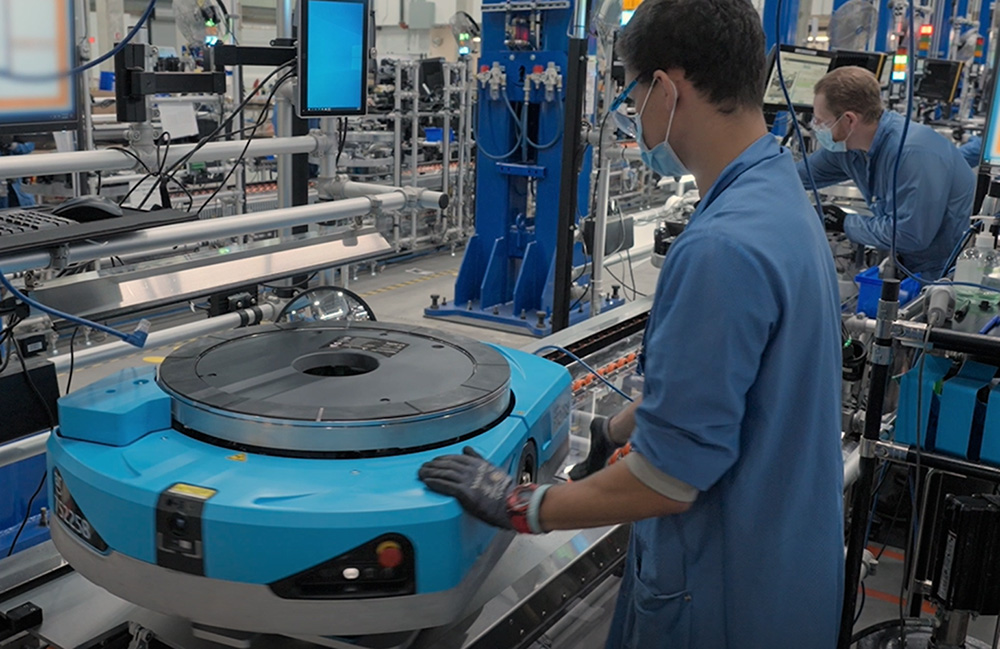
Amazon is committing more than $100 million to a new 585,000-square-foot advanced manufacturing plant in Greenwood, Indiana, where by 2028 it will produce the fulfillment and robotics equipment that runs its North American logistics network. The retailer said the facility will add 300 skilled manufacturing and engineering jobs and pair robotic welding, powder coating and assembly with in-house fabrication under one roof.
Why Greenwood
Amazon said it settled on the Indianapolis-area site after weighing Indiana's manufacturing workforce, cost structure, logistics infrastructure and business climate. The Greenwood plant sits along an I-65 corridor that already hosts several Amazon fulfillment centers, giving the company a short trip between where it makes robotics hardware and where it deploys it.
What comes off the line
The facility will churn out mechanical assemblies, conveyance parts and robotic subsystems that feed Amazon's expanding automation footprint. That includes hardware supporting the Kiro drive-unit fleet, mobile manipulators and container-handling systems Amazon has been rolling out at its next-generation warehouses. Amazon frames the plant as part of a broader push to build more of its automation gear inside the United States rather than sourcing from overseas suppliers.

The bigger automation build-out
The Greenwood commitment lands as Amazon accelerates in-house robotics production. The company already runs its Prime Air drone flights out of Connecticut and has been ramping fulfillment automation across its network, while its retail rivals push their own robot programs. Suppliers to the wider industry are also expanding capacity: this week the International Federation of Robotics reported that 5 million industrial robots are now installed globally, and Amazon's Greenwood plant will feed straight into that trend.
Timeline and workforce
Amazon said the plant will be fully operational by 2028 and expects to draw from Indiana's engineering and skilled-trades pipeline. The 300 planned jobs span industrial technicians, controls engineers, welders and quality specialists, alongside a smaller engineering group focused on new manufacturing processes for future generations of Amazon warehouse robots.
Reporting based on coverage from The Robot Report.