Barcelona-based Anaconda Biomed has closed a $56 million equity round led by Omega Funds and joined by Spain's state-backed FOCO fund, giving the neurovascular device startup the runway to finish its US ATHENA pivotal trial and push its ANA Funnel Catheter platform toward an FDA filing for acute ischemic stroke.
Where The Money Came From
Omega Funds led the September 23, 2026 round with fresh money from FOCO (managed by Spanish public co-investor COFIDES) alongside existing backers Sabadell Asabys II, Ysios Capital and CDTI's SICC Innvierte program. Anaconda's CEO Trent Reutiman said the raise brings the company's cumulative equity to more than $150 million and will carry Anaconda through completion of its US pivotal trial and regulatory submission.
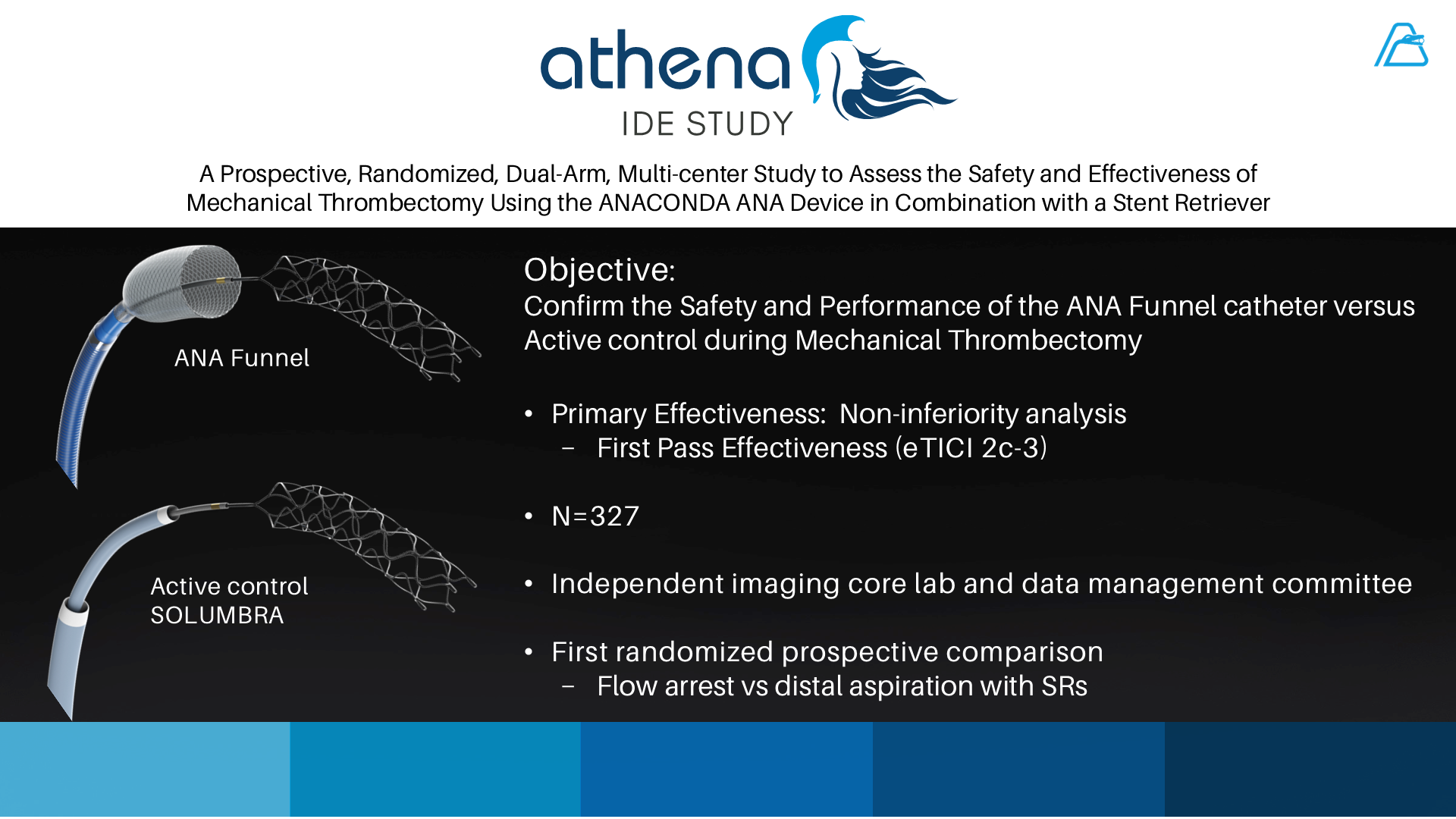
The ATHENA Trial
ATHENA is a prospective, randomized 327-patient investigational device exemption (IDE) study comparing Anaconda's ANA Funnel Catheter platform against standard-of-care mechanical thrombectomy. First-pass revascularization, which correlates with better neurological outcomes, is the primary endpoint. Enrollment is running at more than 40 US and European stroke centers.
Product Line-Up
The ANA5 catheter is CE-marked in Europe and investigational in the US; larger-bore ANA6 and ANA8 versions plus a companion Conda stent retriever complete the platform. Anaconda's pitch to interventional neurologists is a single-pass procedure that limits repeat aspiration attempts — a workflow issue that competitors Stryker and Medtronic have been chasing separately.
Why It Matters
Ischemic stroke remains a leading cause of adult disability worldwide, and every 15-minute improvement in "door-to-recanalization" time reduces long-term dependency risk. Anaconda's bet: a purpose-built funnel catheter that lands more first-pass clot removals will translate directly into a lower cost of care for hospitals and payers as robotic-assisted neurointerventions such as next-gen imaging continue to spread.
Reporting based on coverage from GlobeNewswire and Medical Device Network.