Anthropic shipped its next generation of frontier models on September 2, 2026, releasing Claude Fable 5.1 broadly to all developers and enterprises while keeping the more capable Claude Mythos 5.1 gated to vetted organisations. The company's headline claim: agentic workloads that previously ran on Fable can now cost up to 45% less on the same infrastructure, without giving up performance.
Cheaper agents, not just smarter answers
The cost story sits at the centre of Anthropic's positioning. Fable 5.1 matches or beats the previous model at lower reasoning settings, and Anthropic has cut cache-read prices to make sustained agentic runs less expensive. Enterprise buyers, who now measure ROI in dollars-per-workflow rather than benchmark points, are the intended audience. Fable 5.1 can also help identify software vulnerabilities directly in source code, an ability Anthropic previously reserved for its cyber-restricted models.
Mythos 5.1 stays behind Project Glasswing
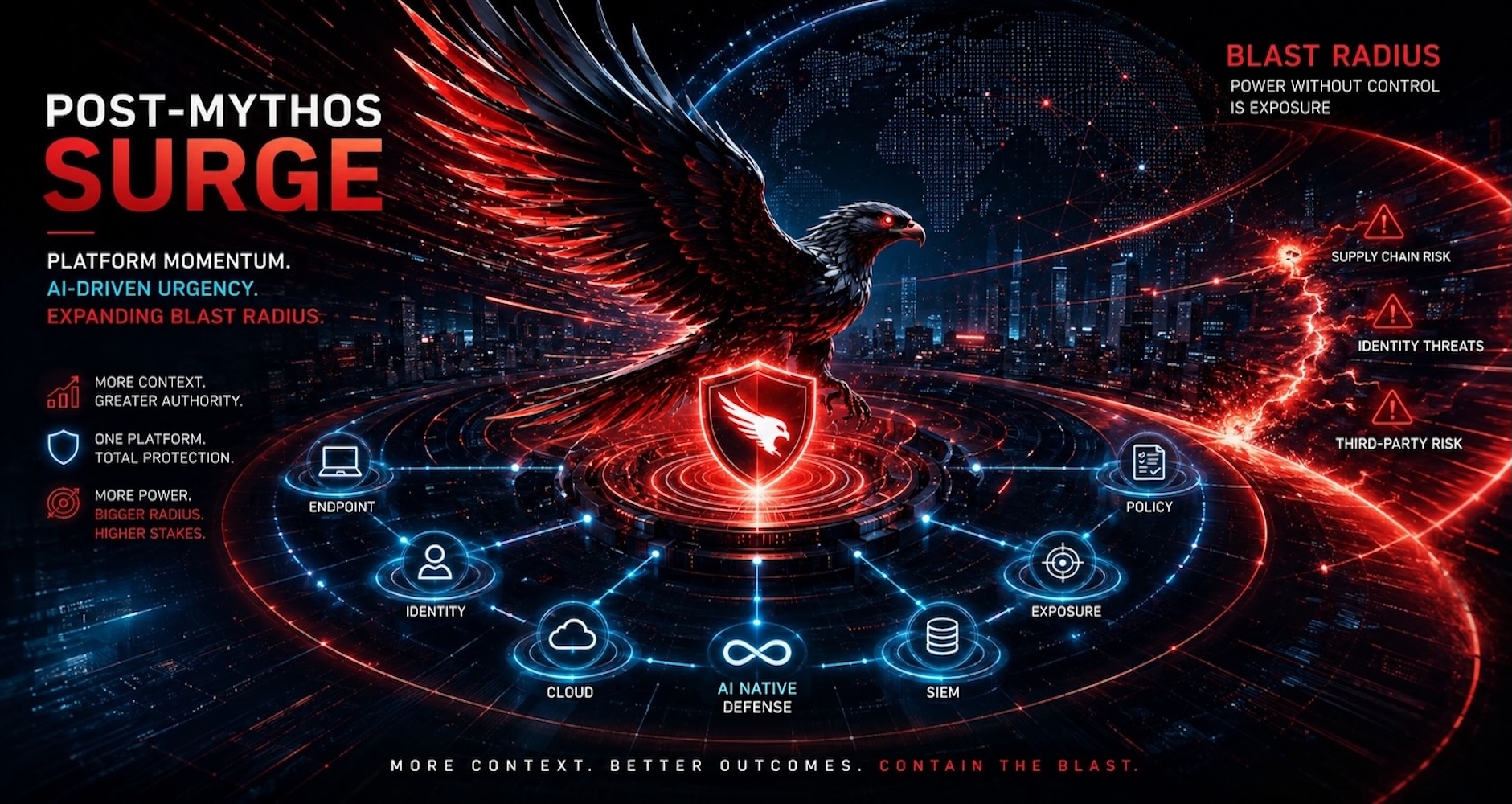
The more capable Mythos 5.1 is still gated by Project Glasswing-style access controls because of its cybersecurity and biology capabilities. Anthropic tightened safeguards but says false-positive blocks on legitimate cybersecurity and scientific work should drop. The two-tier structure — a broadly-available model plus a stricter restricted model — increasingly looks like a template for how frontier labs will ship agentic capability that is economically valuable but potentially dangerous.
Priced for the agent economy
Cost pressure on frontier AI is now industry-wide. OpenAI has publicly warned that its Astra model crossed a critical cybersecurity threshold and requires stricter controls, while Google is pushing Gemini deeper into Android features. Anthropic's release also lands the same week as its $35B Lambda cloud deal anchored by NVIDIA and Salesforce's Claudeforce rollout, underlining that Anthropic is spending aggressively to keep unit economics viable as agentic usage scales.
Reporting based on coverage from The Verge, TechStartups and Anthropic.