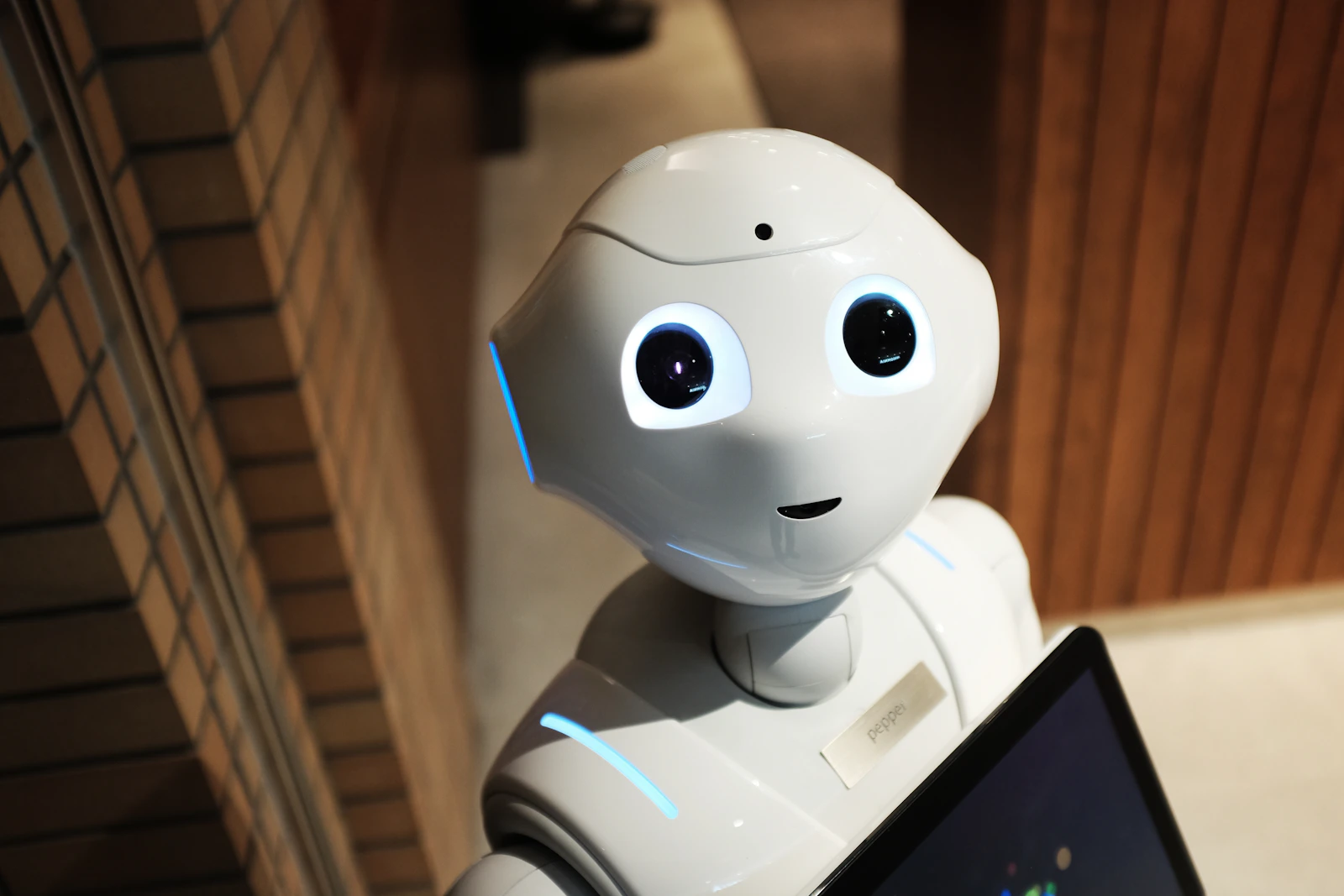
The Beijing Humanoid Robot Innovation Center rolled out Tiangong 2.0 and a new embodied world model called WU at the 2026 World Robot Conference on August 19, framing the update as a shift from "fastest" to "most useful" as its 1.35-metre, 39-kilogram humanoid demonstrated live production-line parts sorting.
Four core innovations, one physical loop
State-backed X-Humanoid, which operates the Tiangong platform, said the second generation is anchored by four core innovations: the WU embodied world model, an upgraded whole-body controller, a self-supervised motion policy and a shared task-execution stack. The setup lets Tiangong 2.0 plan multi-step manipulation, catch its balance mid-task and hand off tools between arms without a scripted trajectory.
Parts sorting on a real production line
The centerpiece of the WRC booth was a working production-line demo, with Tiangong 2.0 sorting parts alongside a conveyor, climbing plum-blossom stumps and stairs, crawling and printing documents. Chinese state broadcaster CGTN said the demo was one of more than 300 debut products across the five-day conference, which drew 300-plus exhibitors and 30 international organizations under the theme "Human-Robot Symbiosis, Production-Demand Convergence."
Tiangong meets a crowded WRC 2026 field
Tiangong 2.0 shared the floor with Unitree's GD01 mecha, UBTECH's bionic U1 series, an ice-cream-serving AI2 AlphaBot demo, Xiaomi's first humanoid debut and Robotera's parcel-sorting torso. The show follows Unitree's 629% Shanghai debut and Robotera's $1B Hong Kong IPO plans.
From fastest to most useful
The Beijing center's mission shift is explicit: earlier Tiangong builds chased benchmark records like the world's first humanoid 100-metre sprint. Tiangong 2.0's WU model is instead a bet that predicting the physical consequences of actions is what unlocks factory work, and that an open-source reference humanoid still has a role even as commercial Chinese humanoid startups scale mass production.
Open source with policy backing
Tiangong remains open source, with the center licensing hardware and controller reference designs to Chinese universities and OEMs. That model contrasts with the closed commercial stacks of Unitree, UBTECH and the earlier Tiangong platform release at WAIC 2026 in Shanghai. Beijing's Yizhuang district continues to bankroll the effort as part of its city-scale humanoid industry cluster.
Reporting based on coverage from CGTN, Daily Sabah, Digitimes and RoboHub.