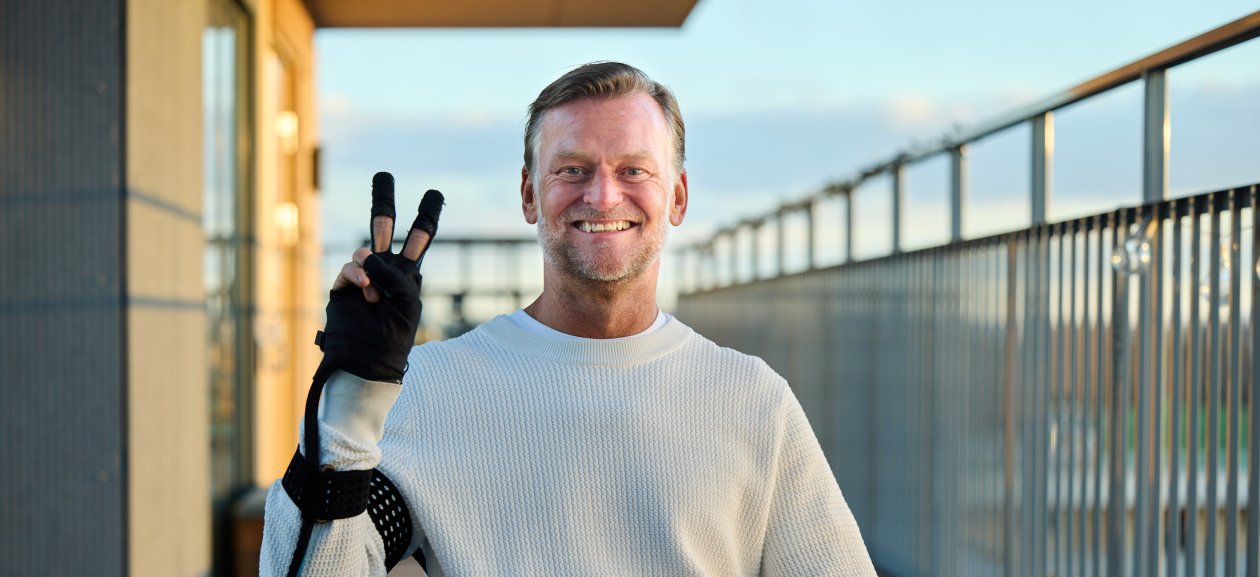
Sweden's Bioservo Technologies has crossed a milestone with the U.S. Department of Veterans Affairs, fitting its 100th American veteran with the Carbonhand grip-assist glove, according to Bioservo's September 2026 update highlighted in the Exoskeleton Report's 100th newsletter.
Carbonhand hits 40+ VA Medical Centers
Carbonhand is a soft, battery-powered exoskeleton glove that adds motorized force to each finger through embedded tendons whenever pressure sensors detect the wearer trying to close their hand around an object. Bioservo says the device is now available across more than 40 VA Medical Centers, with each fitting paired with clinical evaluation, training and ongoing follow-up. The company reached the mark under the VA Federal Supply Schedule, which added Carbonhand as a covered assistive device in 2024.
Who Carbonhand is for
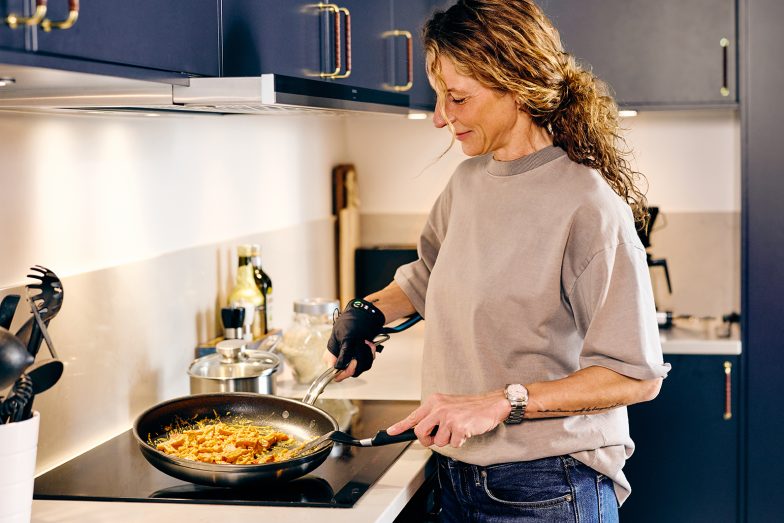
The glove targets adults with reduced hand strength stemming from spinal cord injury, stroke, multiple sclerosis, ALS, myositis or orthopedic injuries. Bioservo has previously reported clinical data showing improvements on activities of daily living scales when Carbonhand is used at home, and the VA rollout is one of its largest real-world deployments to date.
US expansion is now the growth story
Bioservo, listed on Nasdaq First North Growth Market in Stockholm, has increasingly leaned on North America to scale a product that faced slow uptake in European reimbursement systems. Chief executive Petter Bäckgren has said watching veterans regain independence in daily life is central to the company's mission, and the VA channel gives Bioservo a steady procurement pipeline that private insurers in the U.S. have been slower to match.
A broader rehab-robotics market on the move
The 100-fitting milestone lands as consumer and clinical exoskeletons pile up regulatory and reimbursement wins. Lifeward's ReWalk 7 is expanding through an Ottobock Care pilot, Phantom Neuro just closed a Series A led by Ottobock, and device makers are pushing similar assistive tech into wider deployment. Bioservo's small, soft-textile approach sits at the low-cost end of that spectrum, aimed at users who want daily-living support rather than gait training.
Reporting based on coverage from Exoskeleton Report, Bioservo and the U.S. Department of Veterans Affairs.