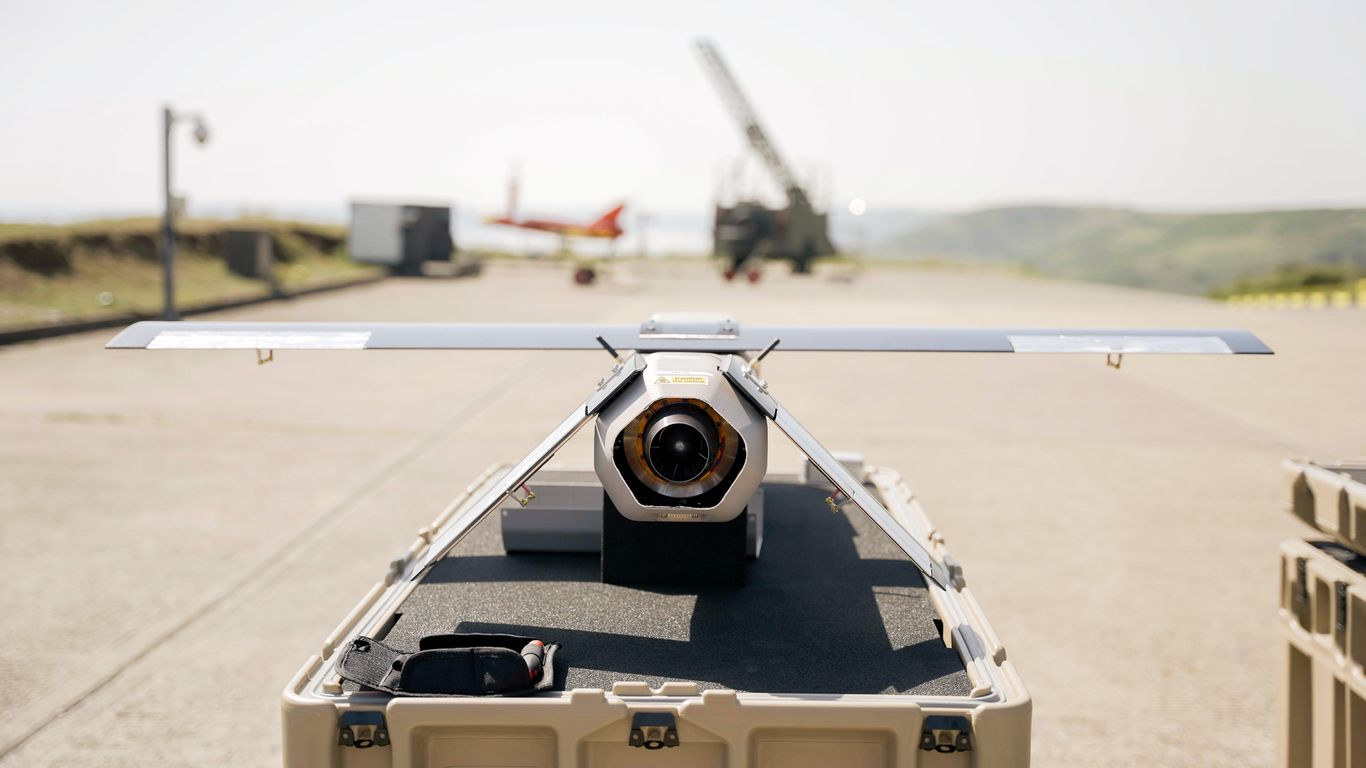
British air-defence startup Cambridge Aerospace has closed a $300 million Series C at a $3.4 billion post-money valuation, according to a Monday announcement, giving the two-year-old company enough capital to ramp production of its Skyhammer drone interceptor for the UK Ministry of Defence and a widening set of NATO buyers.
Round Details And Investor Line-Up
The round was led by DFJ Growth, with participation from Lux Capital, Accel, Lakestar, Never Lift, Ora Global and angel investor Elad Gil. It arrives just four months after Cambridge Aerospace's $200 million Series B at a $1.3 billion valuation in April 2026, more than doubling the mark set in that round. Total known funding for the company now sits above $600 million since its late-2024 founding.
Skyhammer And The Low-Cost Interceptor Bet
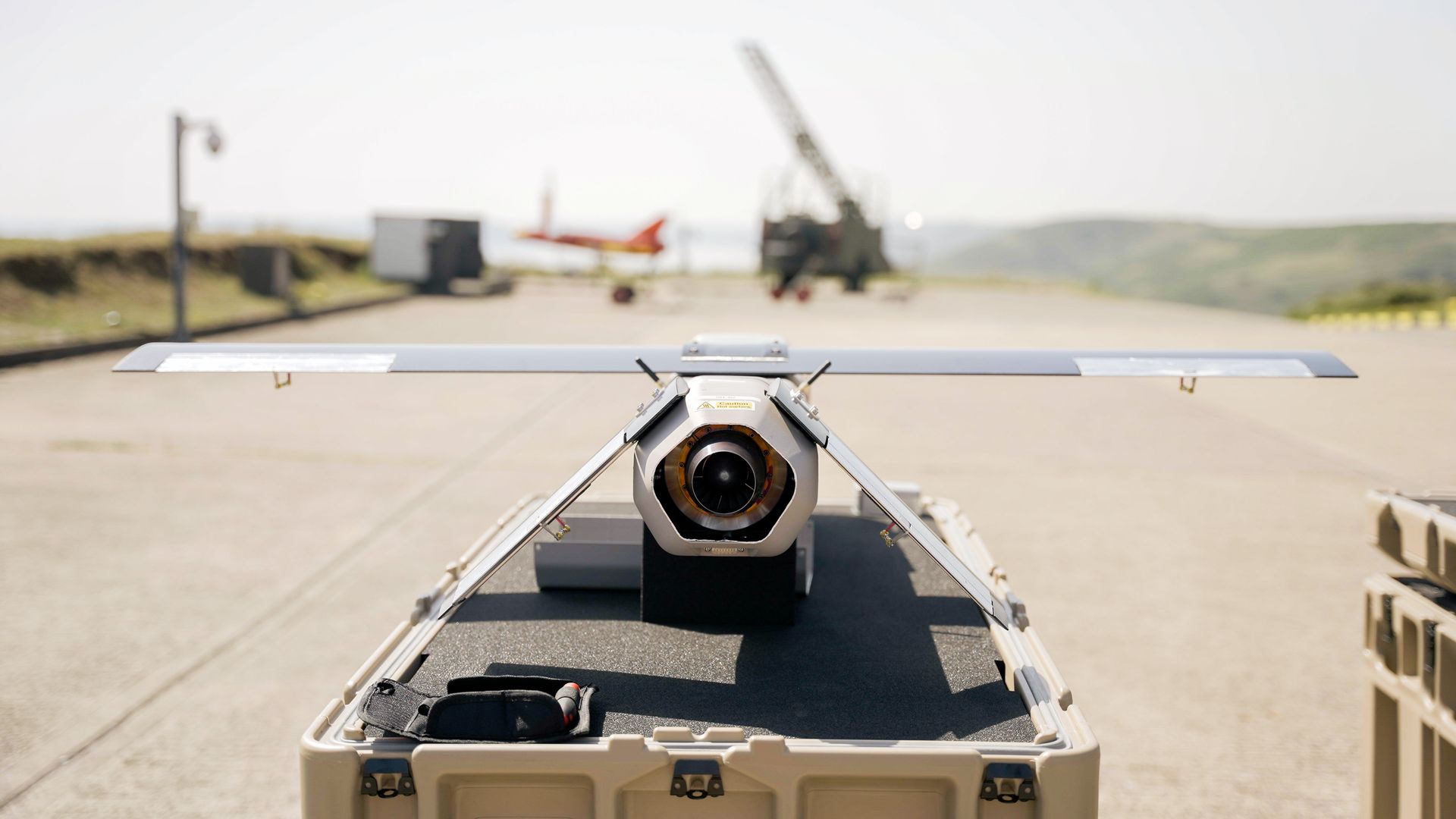
Skyhammer is a tube-launched, radar-guided interceptor with a range beyond 30 km and a top speed of 700 km/h, engineered to defeat Shahed-style one-way attack drones and subsonic cruise missiles at a fraction of the cost of legacy air-defence effectors. The UK MoD contracted Cambridge Aerospace in May 2026 to deliver Skyhammer systems within six months, and Gulf partners have followed. A rocket-powered Starhammer ballistic-missile interceptor is on the roadmap for 2027.
Why NATO Is Writing Checks Now
Cheap one-way attack drones have redefined air-defence economics in Ukraine and the Red Sea, exposing a mismatch between $3–$5 million interceptors and $30,000 threats. Cambridge Aerospace's pitch — spiral-developed hardware, modular airframes, and weekly test cycles more common in software than munitions — targets exactly that arithmetic. The Series C mirrors a broader defence-tech surge; NATO governments have signalled they want thousands of counter-drone effectors annually, and privately funded prime alternatives like Hadrian, Anduril and AeroVironment are also racing to fill the order book.
What Comes Next
Cambridge Aerospace now employs more than 250 people, roughly two-thirds in technical roles, and says it will use the Series C to expand its UK solid rocket motor facility and fulfil an accelerating backlog. The company will also invest in a new radar system built to cue Skyhammer and Starhammer autonomously — a step toward the closed-loop air-defence kill chain NATO staffs are now writing into requirements documents.
Reporting based on coverage from Axios, TechFundingNews, TheNextWeb and Bloomberg.