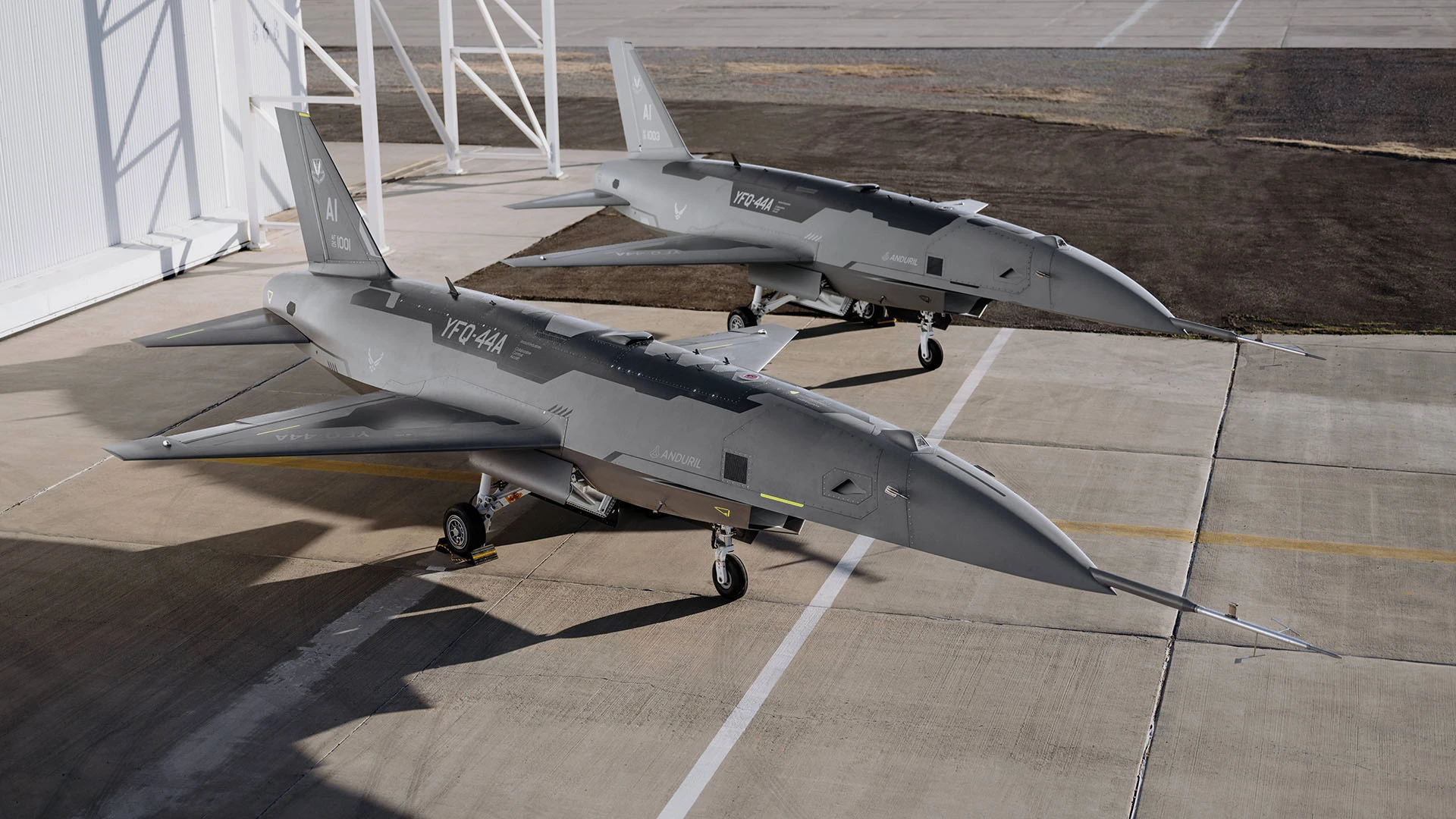
The US Air Force will fly its two prototype Collaborative Combat Aircraft (CCA) — Anduril's FQ-44A Fury and General Atomics' FQ-42A Vengeance — at Eglin Air Force Base's Emerald Flag in December, the exercise service leaders are calling the first "end-to-end kill chain live" for autonomous fighter drones alongside crewed fourth- and fifth-generation jets.
Emerald Flag Becomes The First Large-Force CCA Test
Lt. Col. Lyndon Bartlett, commander of the Air Force's Experimental Operations Unit, said the December event will be the first large-force engagement to fly CCAs in the same fight as F-16s, F-22s and F-35s. Emerald Flag will pair the two autonomous fighters against a red-air aggressor package with the CCAs cued by crewed leads across the sensor-shooter loop. Air Force officials framed it as the step between test-range sorties and operational integration, with the exercise stressing everything from targeting to weapons employment under mission software.
Fury And Vengeance Show Operational Signs Of Life
Anduril SVP of engineering Jason Levin said the Fury has been "down to a single operator flying a Fury from a laptop" and has already achieved a one-to-one maintainer-to-aircraft ratio, a metric intended to prove Fury can be sustained in an expeditionary posture. Fury conducted its first live AIM-120 weapon fire in July 2026, and hot-reload times on the flightline have fallen to single-digit minutes. General Atomics' YFQ-42A logged its maiden flight last year at Palmdale, and both airframes have since accumulated dozens of sorties under the Air Force's Increment 1 effort.
A Fleet Of 1,000, With 500 Operational By 2032
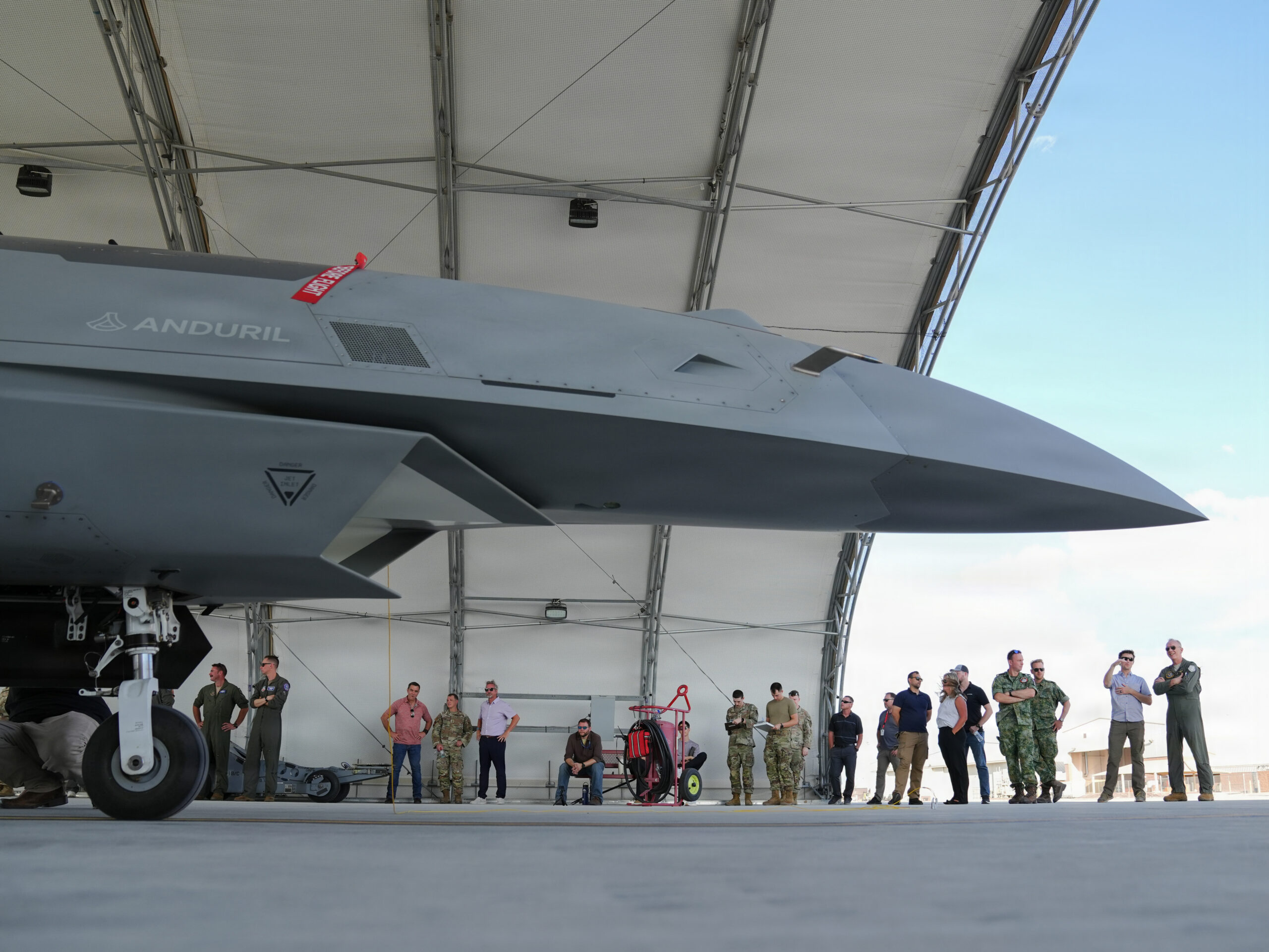
The service is targeting at least 500 CCAs operational by 2032 and a fleet of more than 1,000 across future increments, positioning the drones as air-to-air "missile trucks" and sensor nodes for crewed fighters. Emerald Flag will feed data into the Air Force's competitive down-select for Increment 2, where new entrants and larger production orders are on the table. The exercise is the clearest signal yet that the CCA program, first framed as an experimental effort, is transitioning into a real operational capability.
Reporting based on coverage from Air & Space Forces Magazine, Aviation A2Z, Army Recognition and The Washington Times.