Chinese robotics startups raised about 11 billion yuan ($1.6 billion) in October 2026, less than half the nearly 24 billion yuan they pulled in during August and down 67% from a June peak of 32.8 billion yuan, according to Bloomberg. The slide marks the sharpest pullback yet in a sector that had been raising money at a record pace for most of 2026.
How much did Chinese robot funding actually fall?
The numbers show a steady decline rather than a single shock. Monthly fundraising peaked at 32.8 billion yuan in June, slid to roughly 24 billion yuan in August, and fell further to about 11 billion yuan in October. Year to date, the pace still outstrips 2025, but the month-over-month trend points toward a cooling rather than a continuation of the spring's frenzy.
Deal concentration is shifting too. Research cited in the reporting shows the share of funding going to the top 10 deals fell from roughly 68% to about 59% over the same stretch, even as the number of early-stage deals ticked up. Investors appear to be spreading smaller checks across more companies while pulling back on the largest, highest-valuation bets.
Why is Beijing's securities regulator involved?
China's securities regulator issued informal "window guidance" in September, telling humanoid robot startups seeking an IPO that they now need to show steady revenue, narrowing losses, or genuine technical innovation rather than just a working prototype and a funding round. The guidance carries no legal force, but it has already slowed IPO timetables across the sector.
Noetix Robotics has filed confidentially for a Hong Kong listing, while Galaxea AI's Hong Kong listing schedule has been disrupted by the tighter standards. Both cases suggest regulators are now scrutinizing financials that would have drawn far less attention a year ago.
Which companies are affected?
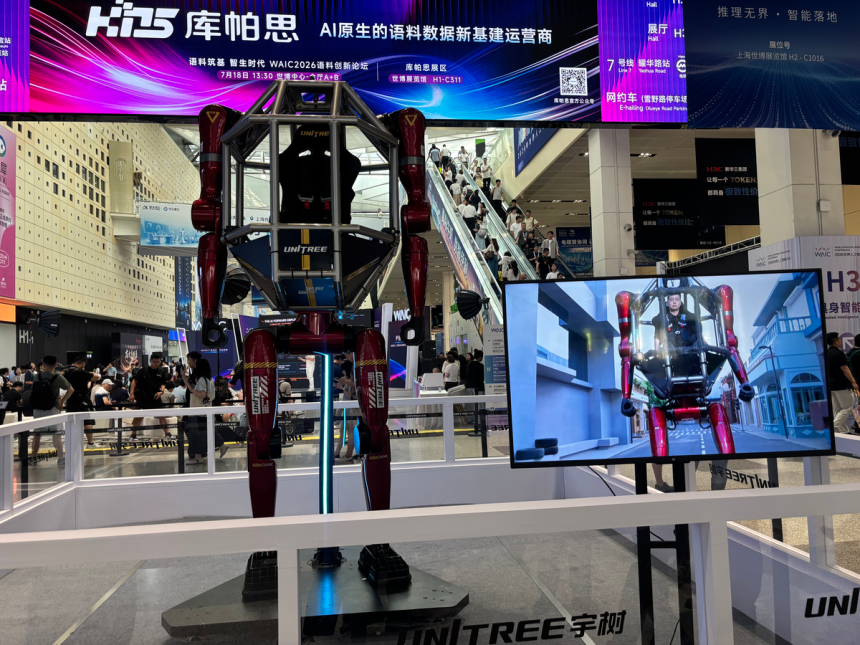
Unitree already cleared the bar: it listed on Shanghai's STAR board in August, and its shares surged roughly fivefold before falling about 50% from that peak, a swing that shows how volatile sentiment remains even for an established leader. AgiBot, meanwhile, is reportedly raising 1 billion to 1.5 billion yuan at a valuation near 50 billion yuan, evidence that money is still available for companies regulators and investors view as credible.
Smaller and mid-tier humanoid makers face a tougher environment. One investment manager at a Chinese state-owned institution said their firm had "effectively stopped reviewing physical AI projects since June," a sign that due diligence has tightened well beyond the handful of companies currently in registration.
What happens next for China's robotics industry?
The slowdown doesn't mean capital is leaving robotics altogether. It means capital is consolidating around companies that can show deployed products and real revenue, a bar that roughly 150 Chinese humanoid makers will now have to clear before their next raise or IPO attempt. Expect fewer, larger rounds for established players like Unitree and AgiBot, and a harder path for the dozens of newer entrants that emerged during 2026's funding boom.
For buyers and competitors outside China, the shakeout could thin the field faster than product failures or price competition would on their own, since startups unable to raise further capital under the new IPO standards may struggle to reach their next funding round at all.