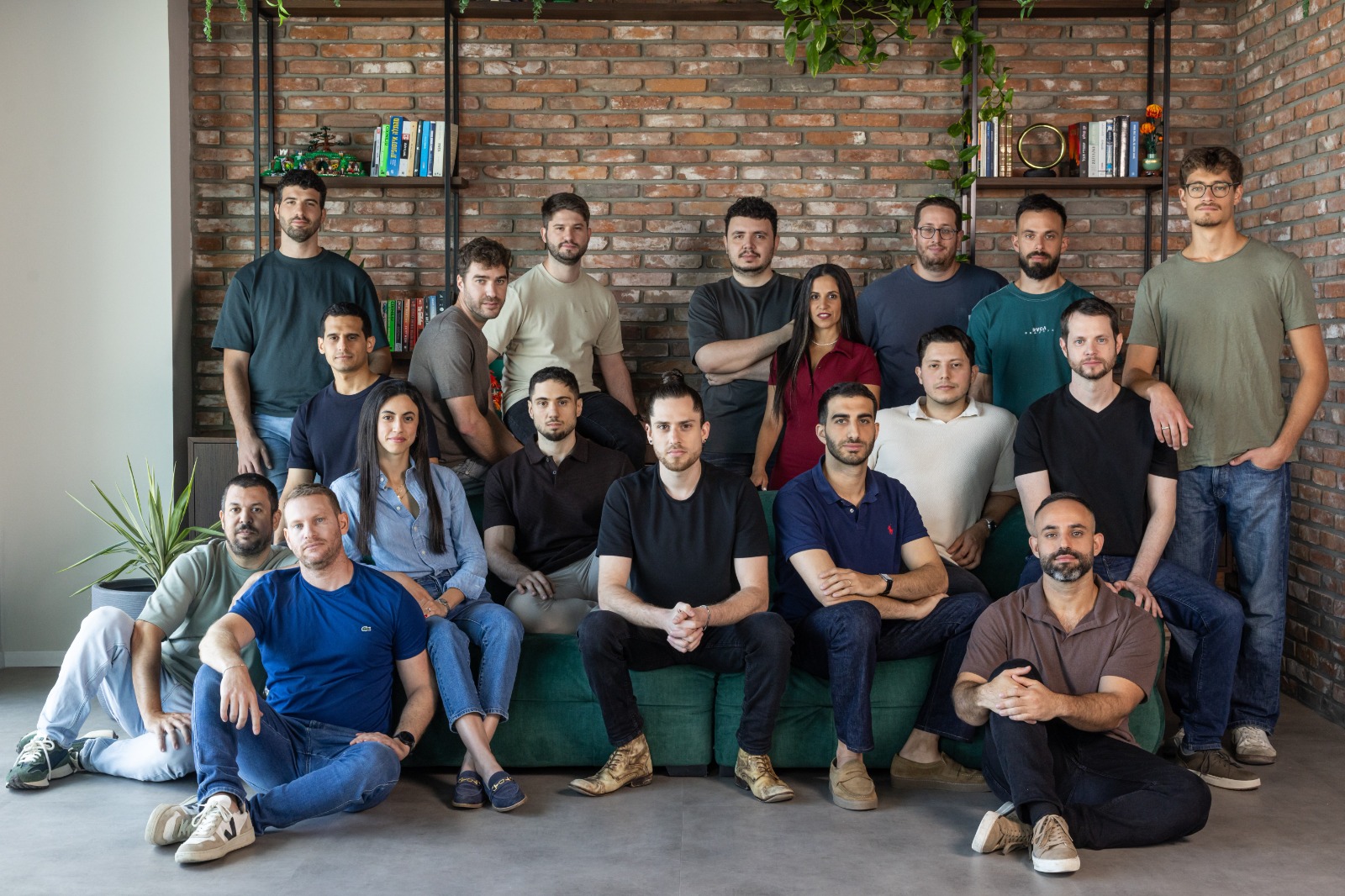
Defensive cybersecurity startup Corma emerged from stealth on Monday with $60 million in seed funding led by Sequoia Capital, arguing that human-led security teams cannot keep pace with the AI-powered attackers already loose on their networks.
Building A Foundation Model For The Defender
Founded in 2025 and based in Tel Aviv and San Francisco, Corma is training a foundation model purpose-built for defense rather than repurposing general-purpose systems. In the company's own simulations across environments modelled on Fortune 500 networks, general models acting as attackers succeeded 88% of the time; the same models acting as defenders caught just 12%. Chief executive Alon Pluda calls that gap the "defensive gap" and pitches Corma as the first frontier lab trying to close it.
Deployed As An AI Workforce
The model powers a set of agents that plug into a customer's existing security stack, from SIEMs to endpoint tools, and are onboarded like a new analyst. Corma says its systems have been live at Fortune 100 and Fortune 500 customers across healthcare, financial services, energy, critical infrastructure and retail for roughly six weeks. Early deployments reduced threat-response times by more than 94% and expanded security coverage 15-fold across functions.

Sequoia, Khosla And Coatue Take National-Security Framing
Sequoia partner Shaun Maguire led the round, joined by Khosla Ventures and Coatue Management. Vinod Khosla framed the bet in national-security terms, arguing that autonomous attacks now threaten critical infrastructure and health systems, not just data. Corma's founding team pairs alumni of Google and Google DeepMind with veterans of Israel's Unit 8200 signals-intelligence corps and major cybersecurity vendors.
The round arrives as agentic AI takes center stage at Black Hat USA 2026, where rivals including Astelia and TrustScale unveiled their own defensive-AI stacks this week.
Reporting based on coverage from SiliconANGLE, Fortune and Sequoia Capital.