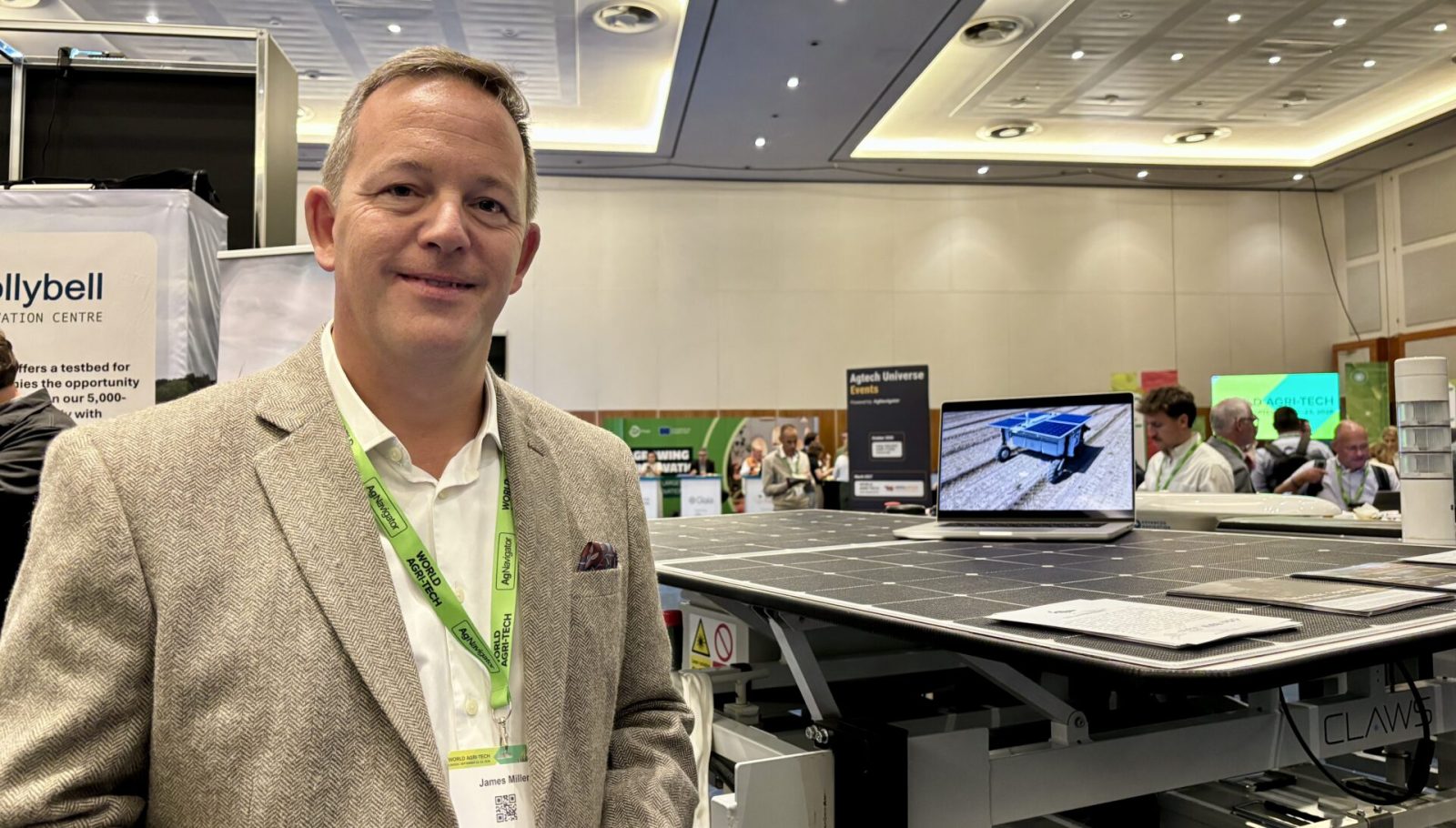
UK agricultural robotics company Earth Rover has begun shipping its CLAWS robot, short for Concentrated Light Autonomous Weeding and Scouting, to commercial growers. The machine identifies weeds using onboard cameras and AI, then fires brief pulses of concentrated light that boil the plant's growing point, killing it without herbicides or soil disturbance, according to AgFunderNews. Earth Rover, founded in 2017 and led by CEO James Miller, has sold 10 pilot units with 15 more in production for next quarter, priced at roughly £150,000 with discounts for early adopters.
The robot runs on battery and solar power for up to 16 hours between swaps, adjusts its chassis to row spacings of 1.5 to 2 meters, and targets weeds with millimeter-level precision. It is built for vegetable and salad farms of roughly 100 hectares with high weed pressure, though Earth Rover says it also performs well on operations as small as 5 to 15 hectares.
Why light-based weeding matters now
Herbicide-resistant weeds have been building for decades, and regulators in the UK and EU have been narrowing the list of approved chemical treatments on cost, environmental and health grounds. Labor for hand-weeding, meanwhile, has gotten both scarcer and more expensive on vegetable farms, which tend to need more weeding passes than broadacre grain crops. That combination is what has made autonomous, non-chemical weeding one of the more commercially active corners of agricultural robotics, alongside better-known efforts in autonomous tractors and fruit-picking arms.
Earth Rover's pitch is a payback period of one to three years depending on a farm's existing weeding costs, a number concrete enough that growers can run it against current herbicide and labor spend rather than treating the robot as an experimental purchase. Ten paying pilot customers and a near-term production queue of 15 additional units suggest the company has moved past the single-prototype stage that stalls many agtech robotics ventures.
How it compares to laser and mechanical rivals
CLAWS is not the only non-chemical weeding system reaching farms. Laser-based weeders from competitors use higher-powered beams to cut or burn weeds, a method Earth Rover says consumes more energy per weed than its pulsed-light approach. Mechanical weeders and camera-guided hoes, used by companies such as Naio Technologies and FarmWise, physically uproot or sever weeds instead, which avoids energy-intensive beams but can struggle closer to crop stems without damaging the plant.
Earth Rover's bet is that lower energy draw per weed translates into longer field runtime and a lower total cost of ownership than laser rivals, even if its £150,000 price tag sits in a similar bracket to competing autonomous weeders. The trade-off is scale: at 10 units sold, CLAWS is still proving itself against a handful of specific growers rather than across the diversity of soils, crops and weed species a broader rollout would require. The company has funded development through equity and UK grants including Innovate UK and the Forestry Commission, and is planning a Series A round within the next year to expand from vegetable fields into broadacre cropping systems, a move that would put it in more direct contact with larger, better-capitalized competitors in row-crop automation.