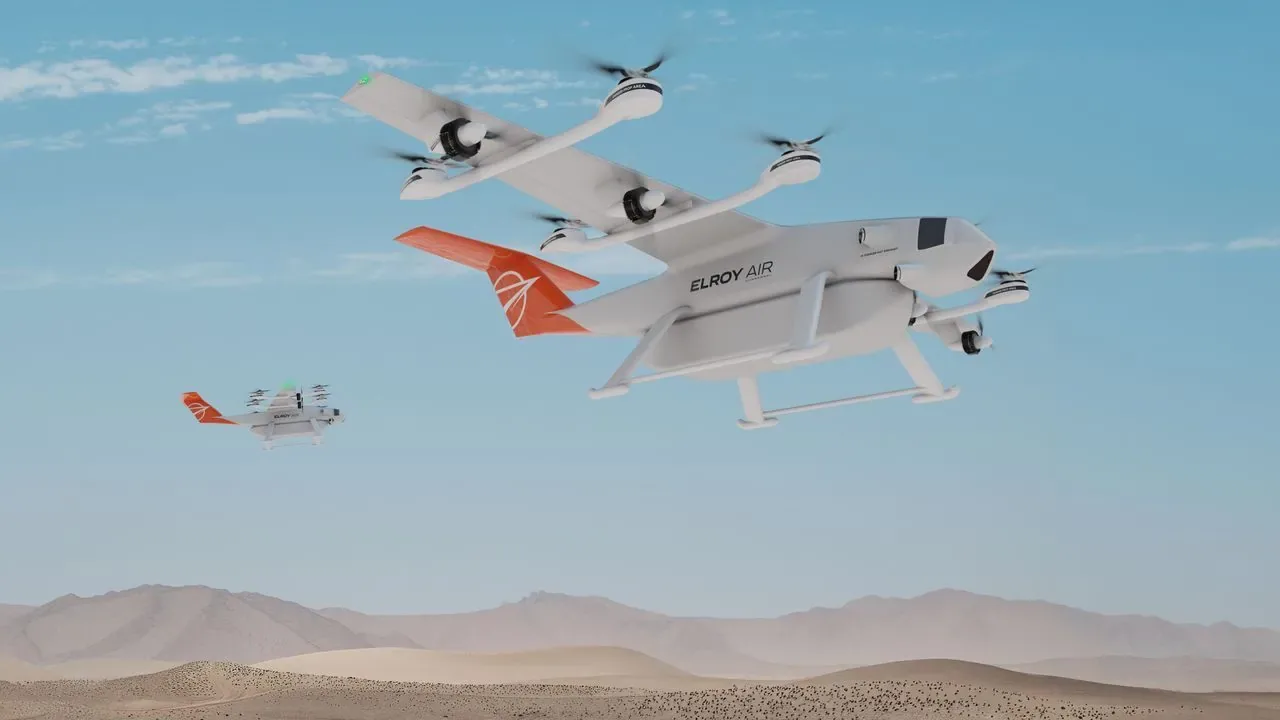
Elroy Air and Abu Dhabi's Barq Group signed an aircraft purchase order on November 16, 2026, covering up to 20 Chaparral autonomous cargo drones in a deal worth as much as $70 million. Five aircraft are firm orders backed by a $10.25 million deposit, with 15 additional production slots reserved, according to DroneXL's report on the agreement.
What exactly did Barq Group order?
The order covers the Chaparral, an unmanned hybrid-electric vertical takeoff and landing aircraft built for heavy-lift cargo work without needing a runway. Kratos Defense & Security Solutions, named the exclusive U.S. manufacturer, will build the first 20 aircraft at its Sacramento, California facility, with production starting in late 2026 and deliveries to Barq beginning in 2027.
What can the Chaparral actually carry?
The drone is rated to carry more than 500 pounds of cargo over a range of up to 450 miles, flying fully autonomously with no onboard crew. Elroy Air and Barq are pitching it for military resupply, offshore energy logistics, and disaster response — missions where paved runways or large crews aren't available and speed of delivery matters more than cost per pound.
How does this fit into the broader Elroy Air-Barq relationship?
This order builds on an earlier framework the two companies set up for a proposed $200 million joint venture to fund a Chaparral manufacturing and services facility in Abu Dhabi, aimed at producing and distributing the aircraft across the Middle East and North Africa. The purchase agreement also includes a warrant structure giving Barq performance-based vesting rights to up to 5 million Elroy Air warrants at a $12.00 strike price, tying Barq's upside to how well the aircraft performs once delivered. Barq CEO Ahmed AlMazrui said the deal will help "redefine how critical cargo moves across the Middle East and North Africa."
What does this signal for heavy-lift cargo drones generally?
Elroy Air is pursuing a SPAC merger expected to list under the ticker ELRY, and a committed order of this size from a regional partner gives it a concrete revenue base to point to ahead of that listing. More broadly, the deal adds to a string of 2026 heavy-cargo drone commitments — from Skyways' long-range cargo flights to military resupply programs elsewhere — suggesting buyers in logistics-constrained regions are increasingly willing to commit real deposits, not just pilot programs, to autonomous aircraft that can move several hundred pounds without a runway.