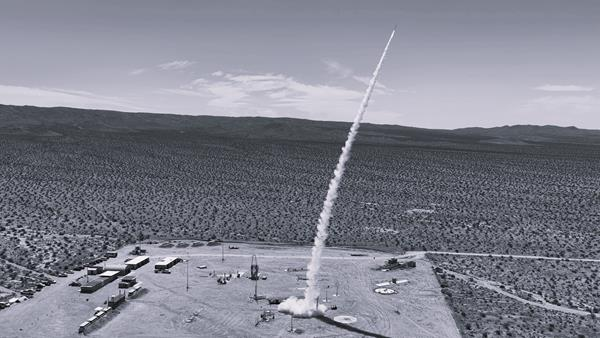

Furientis, a Bay Area defense technology startup founded in 2025 by Brody Franzen and Aris Simsarian, emerged from stealth on May 14, 2026 with a $5 million pre-seed round led by Silent Ventures and participation from Bessemer Venture Partners, SV Angel, Vanderbilt University, Channel 39 Ventures, and founders of companies including Anduril and Armada. The company is targeting one of the loudest pain points in modern naval warfare: the U.S. is firing multi-million-dollar interceptors at drones that cost a few thousand dollars apiece.
The Problem Furientis Wants to Solve
U.S. interceptor stockpiles are depleted across at least seven major missile types, including more than 150 THAAD interceptors fired in recent Middle East engagements against an annual Lockheed Martin production run of roughly 96 units. In the Red Sea and around Iran, U.S. ships have been spending million-dollar rounds to shoot down $5,000 attack drones, an exchange ratio the Pentagon admits is unsustainable. Furientis's pitch is to build ship-based interceptors that cost roughly $250,000 per round, versus the $1 million to $5 million price tags of legacy primes.
IKEA-Style Manufacturing for Missiles
The company is explicitly borrowing from the automotive playbook. Furientis is designing its interceptor around commercial off-the-shelf components, automotive-grade materials and high-volume assembly processes rather than the exquisite, low-rate bespoke supply chain that defines legacy interceptor production. Over the last six months, the team has run six flight tests and ten static-fire tests of its demonstrator missile.
Investor Roster Reads Like a Defense-Tech Roll Call
Pre-seed rounds rarely include this much defense-tech firepower. Silent Ventures, Bessemer and SV Angel have been active backers of recent defense unicorns, and the inclusion of operators from Anduril and Armada signals confidence that Furientis's team can navigate Pentagon procurement and DoD test ranges. It is a recurring pattern as the U.S. tries to onshore drone, interceptor and counter-UAS production.
The deal lands in a Pentagon climate that is already moving billions toward fast-scaling defense vendors, including Perennial Autonomy's $500M counter-drone IDIQ and classified-network AI deals with eight tech giants. Furientis is betting that capacity, not capability, is the real bottleneck.
The Path to Production
Mass-producing a guided munition is not a software problem. Furientis still has to clear motor qualification, end-to-end flight testing, hardware-in-the-loop verification and U.S. munition export controls before its interceptors can be deployed on Navy or allied vessels. Investors are effectively betting that a small team with automotive manufacturing instincts can compress timelines that the legacy primes have stretched over decades.
What to Watch Next
Near-term milestones include a wider live-fire test cadence, the first DoD contract awards under the Replicator program or Naval Sea Systems Command, and clarity on which shipboard launcher footprint Furientis is targeting. Five million dollars is small money for missile development, but it is consistent with the bet that this company can stay capital-efficient until it lands a major government program of record.
Reporting based on coverage from Fortune, GlobeNewswire, FinSMEs and Manila Times.