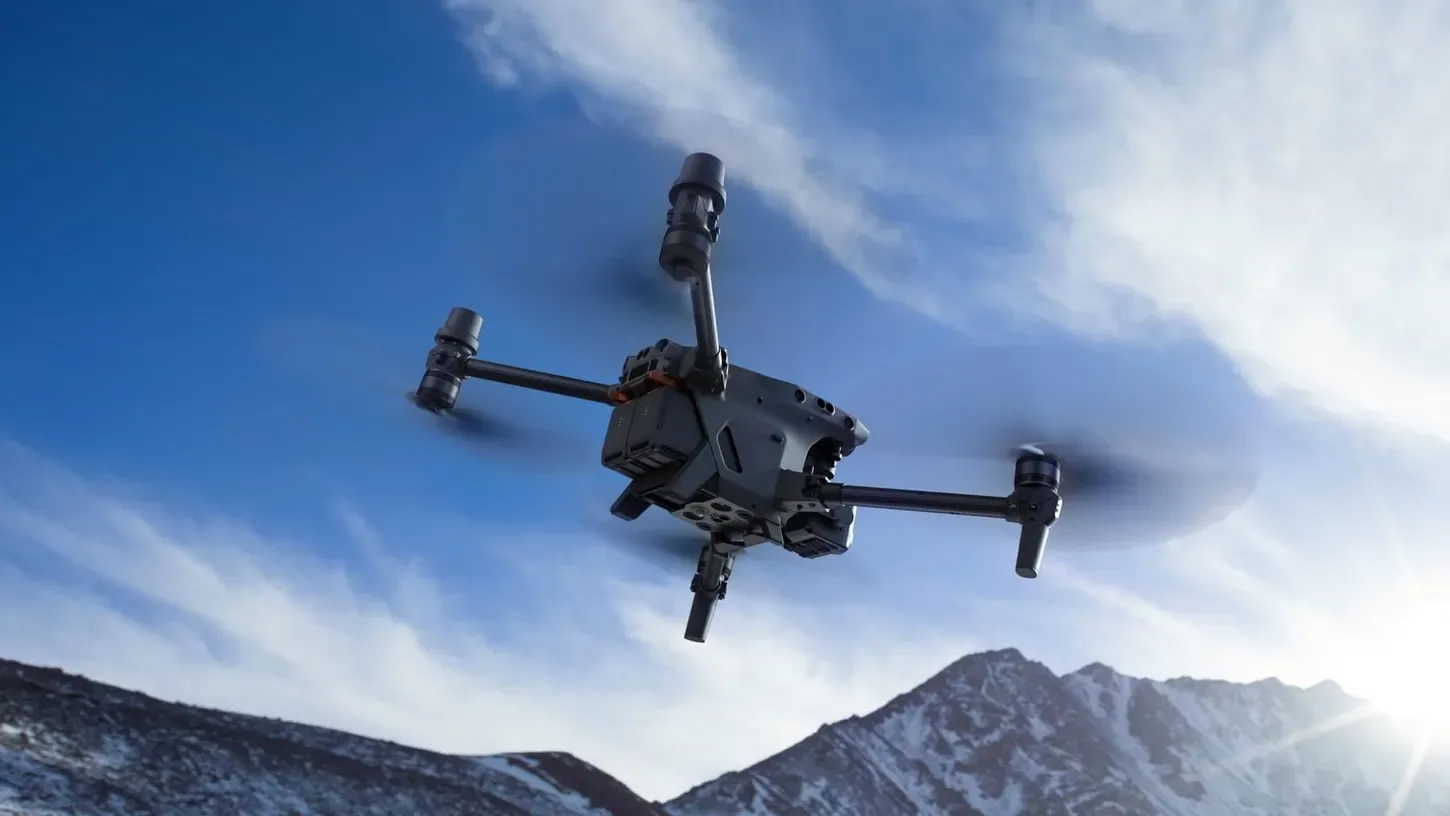
In November 2023, Germany's armed forces banned Chinese drones over espionage fears, then quietly reversed the order seven months later because the military had nothing good enough to replace them with. On November 10, 2026, the Bundeswehr did it again: it ordered an immediate halt to Chinese-made drones, including DJI's Matrice M30T, across all bases and training grounds, according to reporting confirmed by a Defense Ministry spokesperson and detailed by DroneXL.
The ministry's stated reasoning is blunt: "Chinese-made models will no longer be used." An insider cited in the reporting said Germany's military counterintelligence service, MAD, found forensic traces of data being diverted from Bundeswehr DJI aircraft, feeding concerns that drone footage, exercise locations, base imagery and weapons-system details could be reaching Chinese intelligence.
A ban that didn't stick once already
The first ban, in 2023, cited the same fear: that Bundeswehr data could flow back to Beijing. It unraveled within months. By June 2024, the military's own drone task force was recommending eight DJI models for approval, driven by a simple operational reality — Germany was falling behind on drone capability, and no German or European manufacturer matched DJI's combination of price and performance. That reversal led to a November 2024 framework contract for 500 DJI Matrice M30T units, on top of what insiders now estimate are several thousand more Chinese drones bought independently by local commanders without central tracking or oversight.
That scale is the real story here. A ban that sounds decisive on paper has to unwind a drone fleet built up specifically because domestic alternatives weren't good enough, and nothing in the three years since suggests that gap has closed. Germany's move also lands alongside a broader allied pivot: NATO's new Drone Edge marketplace, launched days earlier, has already committed allies to more than $40 billion in counter-drone investment over five years, and the alliance has been steering members toward vetted, non-Chinese suppliers for exactly this kind of hardware.
Why this time might be different, and might not
Unlike 2023, Germany now has more motivation to make a domestic substitute work: the political pressure for technological sovereignty from Chinese suppliers has intensified across European defense procurement generally, not just in drones. Whether that translates into actually usable hardware at DJI's price point, within months rather than years, is the open question that sank the first attempt.
For now, Bundeswehr units have been ordered to stop flying Chinese-made drones immediately, with existing systems to be replaced by German or European alternatives. Given the scale of the fleet being grounded — the 500-unit framework contract alone, before counting units purchased outside central tracking — the practical test of this ban will be whether replacement hardware actually arrives fast enough to avoid the capability gap that forced the 2024 reversal.