Hippo Harvest Bags $30M Series C From Cox Farms For AMR Greenhouses
Hippo Harvest raised a $30M Series C led by Cox Farms to expand its robotics- and machine learning-powered greenhouses to a 30-acre Hollister, CA site and roll out USDA-certified organic spinach.
Key Takeaways
Hippo Harvest closed a $30 million Series C on July 9 led by Cox Farms, North America's largest greenhouse operator, following a $21 million Series B in 2024.
Funding will support a planned 30-acre expansion in Hollister, California (currently in permitting) and a next-gen robotic growing system using robotic 'tractors' to automatically respace growing modules.
Hippo Harvest's AMR-powered, closed-loop system uses 92% less water, 55% less fertilizer and 94% less land than traditional field agriculture.
The company is launching USDA-certified organic spinach; its greens already stock Sprouts, Haggen and Gus's Community Markets.
Existing investors Congruent Ventures, Hawthorne Food Ventures, Collaborative Fund and the Fresh Investment Club also joined the round.
Kaan Tınmaz
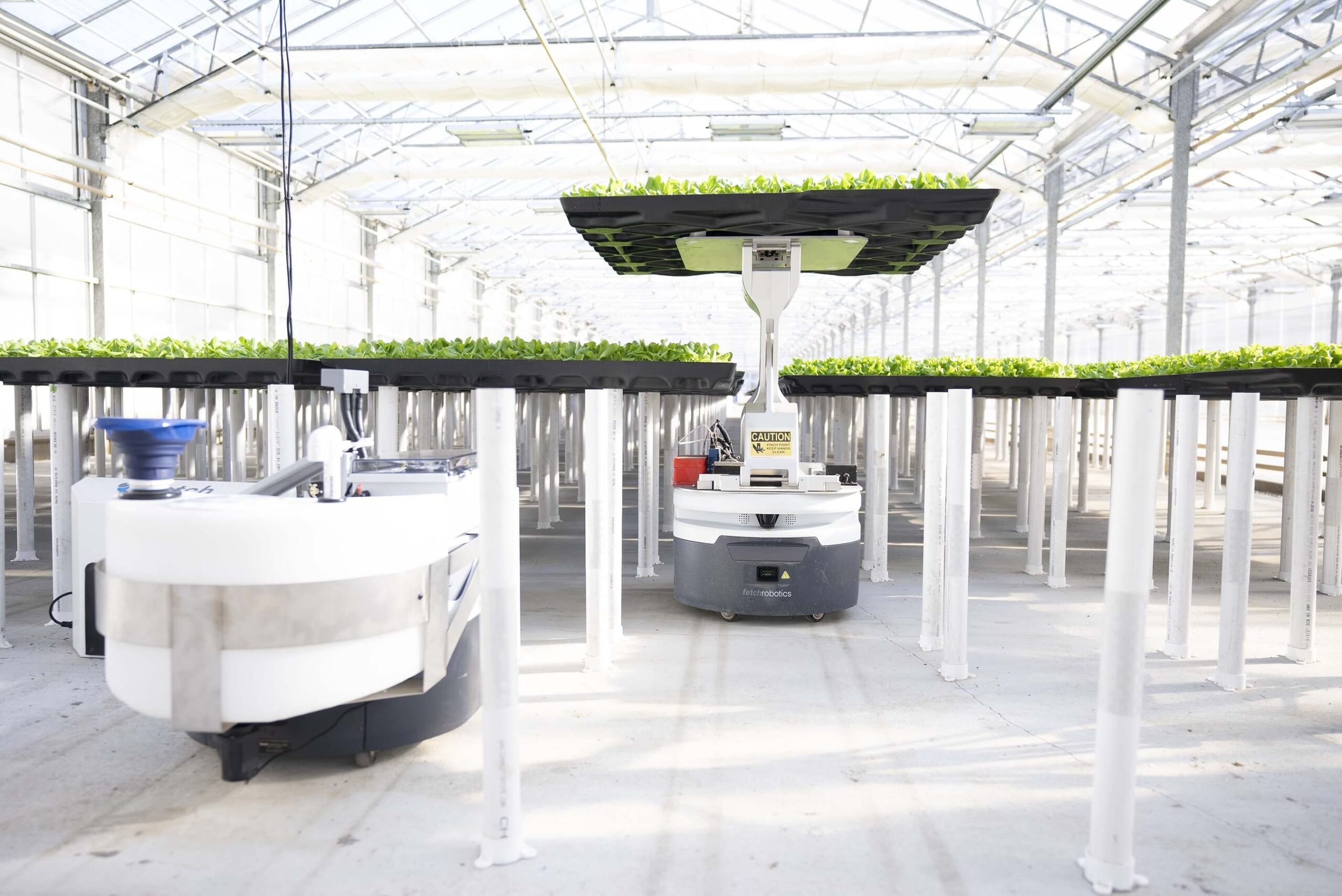
Robotic agriculture just landed one of its biggest strategic checks of the summer. Pescadero-based Hippo Harvest said on July 9 that it had closed a $30 million Series C led by Cox Farms, North America's largest greenhouse operator, capping years of work on autonomous mobile robots (AMRs) that grow, tend and harvest USDA-certified organic leafy greens.
What the money buys
The proceeds unlock a planned 30-acre expansion at a new facility in Hollister, California — currently in permitting — and fund development of Hippo Harvest's next-generation robotic growing system, which uses robotic 'tractors' to automatically respace growing modules through the growth cycle. That system, the company says, will lift greenhouse throughput, cut cost per unit and expand its varieties beyond today's roughly one-acre footprint.
Cox Farms enters robotics-driven produce
Cox Farms, owned by Cox Enterprises and comprised of BrightFarms and Mucci Farms, is North America's largest greenhouse operator with more than 700 acres under glass and 2,500 employees. President Steve Bradley said the company is actively looking for opportunities across indoor agriculture, and Hippo Harvest CEO Eitan Marder-Eppstein said closing the round and bringing organic spinach to market in the same moment is a real signal of where the company is headed. Existing investors Congruent Ventures, Hawthorne Food Ventures, Collaborative Fund and the Fresh Investment Club also joined the round, which follows a $21 million Series B in 2024.
Why AMRs are eating agriculture
Hippo Harvest's system pairs a closed-loop, direct-to-root nutrient system with AMRs to use 92% less water, 55% less fertilizer and 94% less land than traditional field agriculture. The company's greens already stock Sprouts, Haggen and Gus's Community Markets. The deal joins a growing list of physical-AI plays in food and produce, from Locus Robotics AMRs running HelloFresh's chilled fulfillment to Queue's autonomous robotic pharmacy.
Reporting based on coverage from PR Newswire, RoboticsTomorrow and AI Insider.
Cox Farms, owned by Cox Enterprises and comprised of BrightFarms and Mucci Farms. It is North America's largest greenhouse operator with more than 700 acres under glass and 2,500 employees.
What will Hippo Harvest use the funding for?
A 30-acre expansion at a new Hollister, California facility currently in permitting, and development of a next-generation robotic growing system designed to lift greenhouse throughput, cut cost per unit and expand crop varieties beyond its current roughly one-acre footprint.
How do Hippo Harvest's robotic greenhouses work?
Autonomous mobile robots (AMRs) grow, tend and harvest USDA-certified organic leafy greens, paired with a closed-loop, direct-to-root nutrient system. Robotic 'tractors' automatically respace growing modules through the growth cycle.
How much more efficient is Hippo Harvest than field agriculture?
The company says its system uses 92% less water, 55% less fertilizer and 94% less land than traditional field agriculture.