The global industrial robotics market has achieved a historic milestone, reaching $16.7 billion in total installation value, according to the International Federation of Robotics (IFR). This unprecedented growth signals a transformative period for manufacturing automation, driven by breakthrough technologies and evolving market demands that are reshaping how industries approach production challenges.
AI-Powered Autonomy Revolutionizes Robot Capabilities
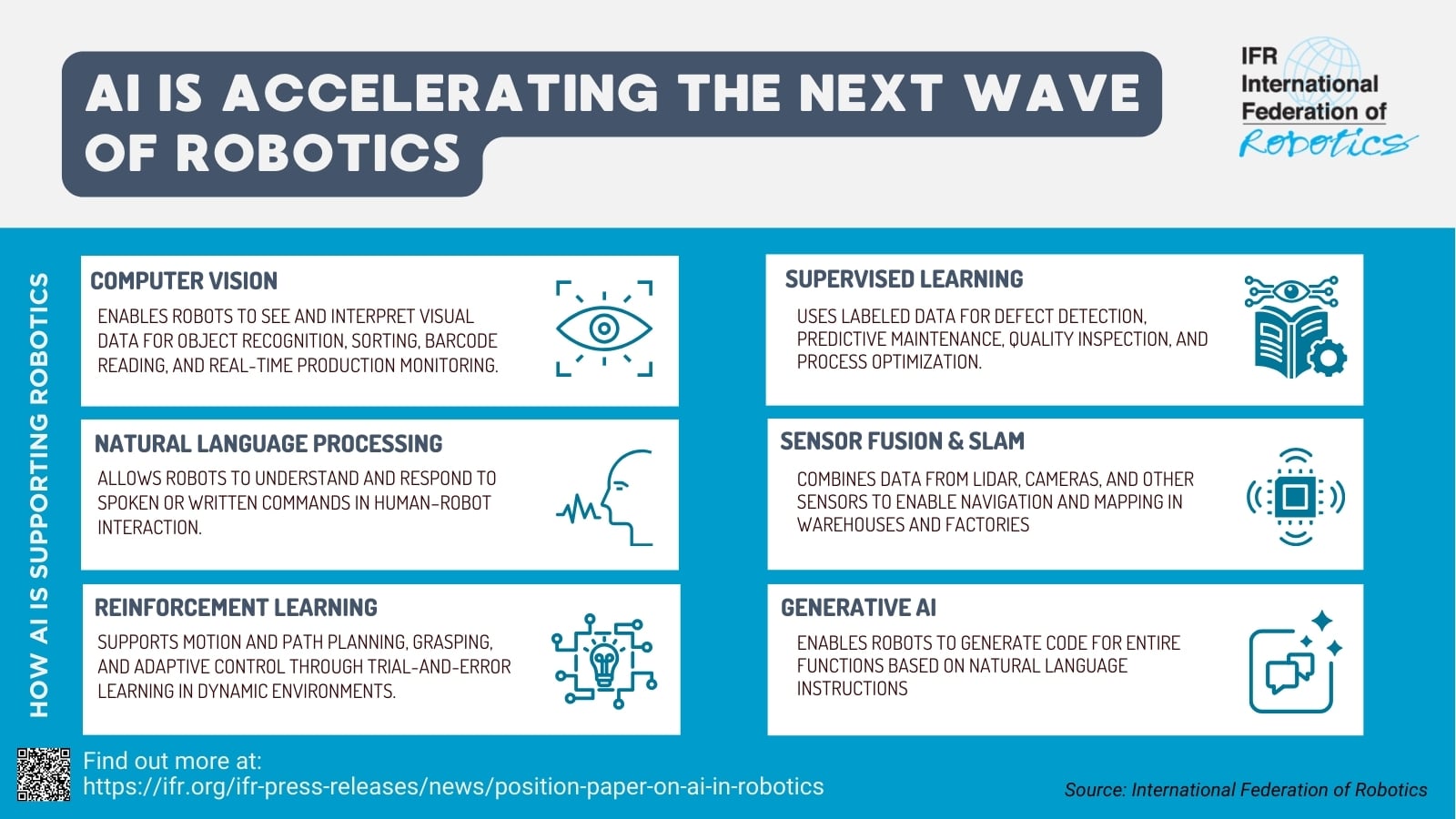
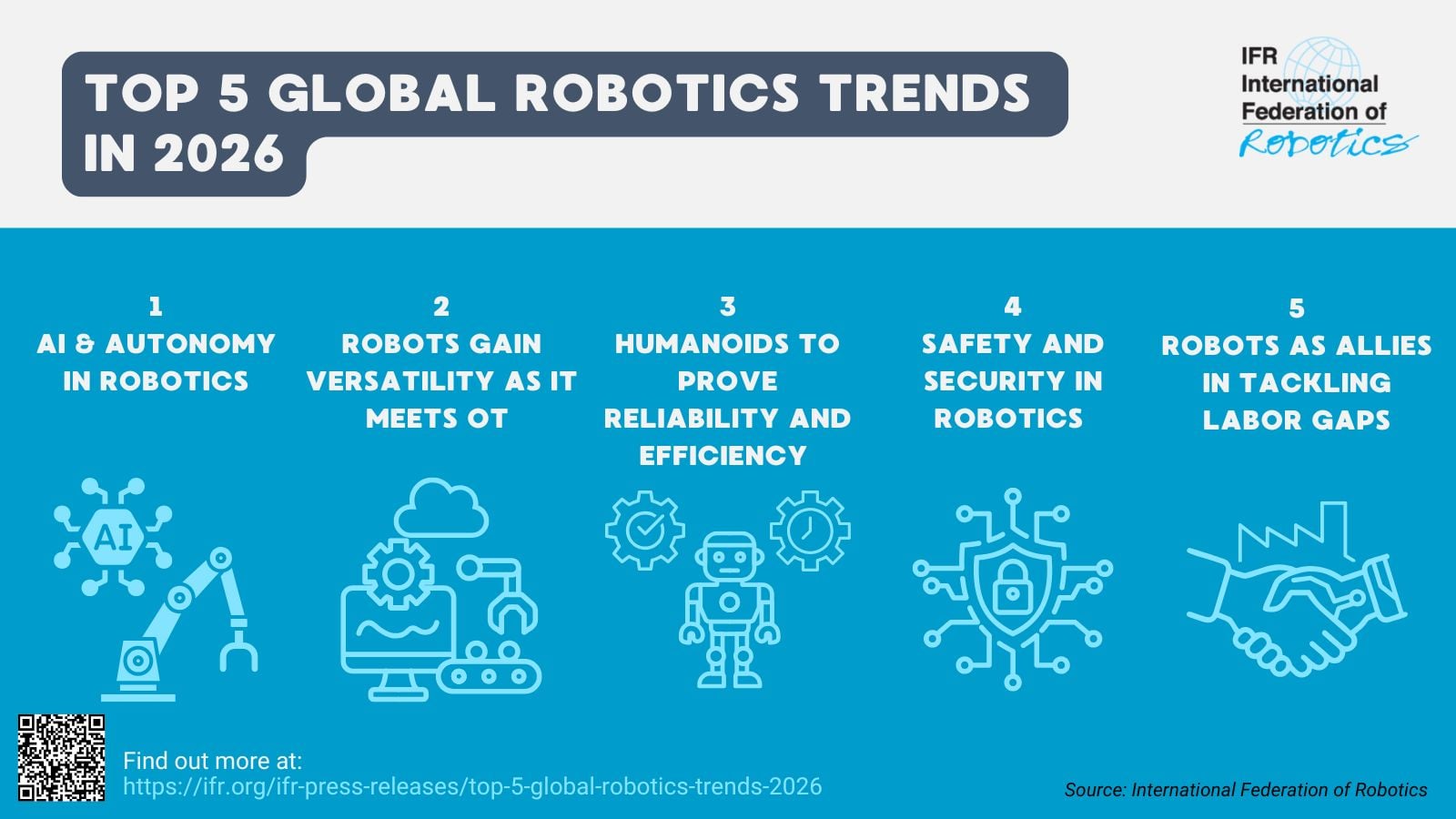
The integration of artificial intelligence is fundamentally changing robotics operations, with analytical AI enabling predictive maintenance and smart resource allocation in manufacturing environments. Generative AI represents an even more significant shift, moving beyond traditional rule-based systems to create self-evolving robots capable of learning new tasks independently. The emerging concept of Agentic AI combines both analytical and generative approaches, promising robots that can operate autonomously in complex real-world scenarios without constant human intervention.

IT-OT Convergence Enhances Robot Versatility
The convergence of Information Technology and Operational Technology is breaking down traditional silos in manufacturing environments. This integration enables real-time data exchange between digital systems and physical operations, significantly enhancing robot versatility and creating seamless workflows essential for Industry 4.0 implementations. Manufacturing facilities are increasingly demanding adaptable robotic solutions that can handle diverse tasks while maintaining connectivity across enterprise systems.
Humanoid Robots Enter Industrial Deployment Phase
Humanoid robotics is transitioning from prototype development to real-world industrial applications, particularly in automotive manufacturing and warehousing operations. These human-like robots excel in environments originally designed for human workers, offering unprecedented flexibility in task execution. However, success depends on meeting stringent industrial requirements for cycle times, energy efficiency, and maintenance costs while achieving human-level dexterity and productivity standards.
Safety and Security Become Critical Priorities
As robots increasingly work alongside humans, safety standards and security protocols are becoming paramount concerns for the industry. AI-driven autonomy introduces new complexities in testing, validation, and oversight requirements, particularly for humanoid robots operating in human-centric environments. Manufacturers must navigate evolving ISO safety standards and establish clear liability frameworks while addressing cybersecurity vulnerabilities that emerge from IT-OT convergence initiatives.