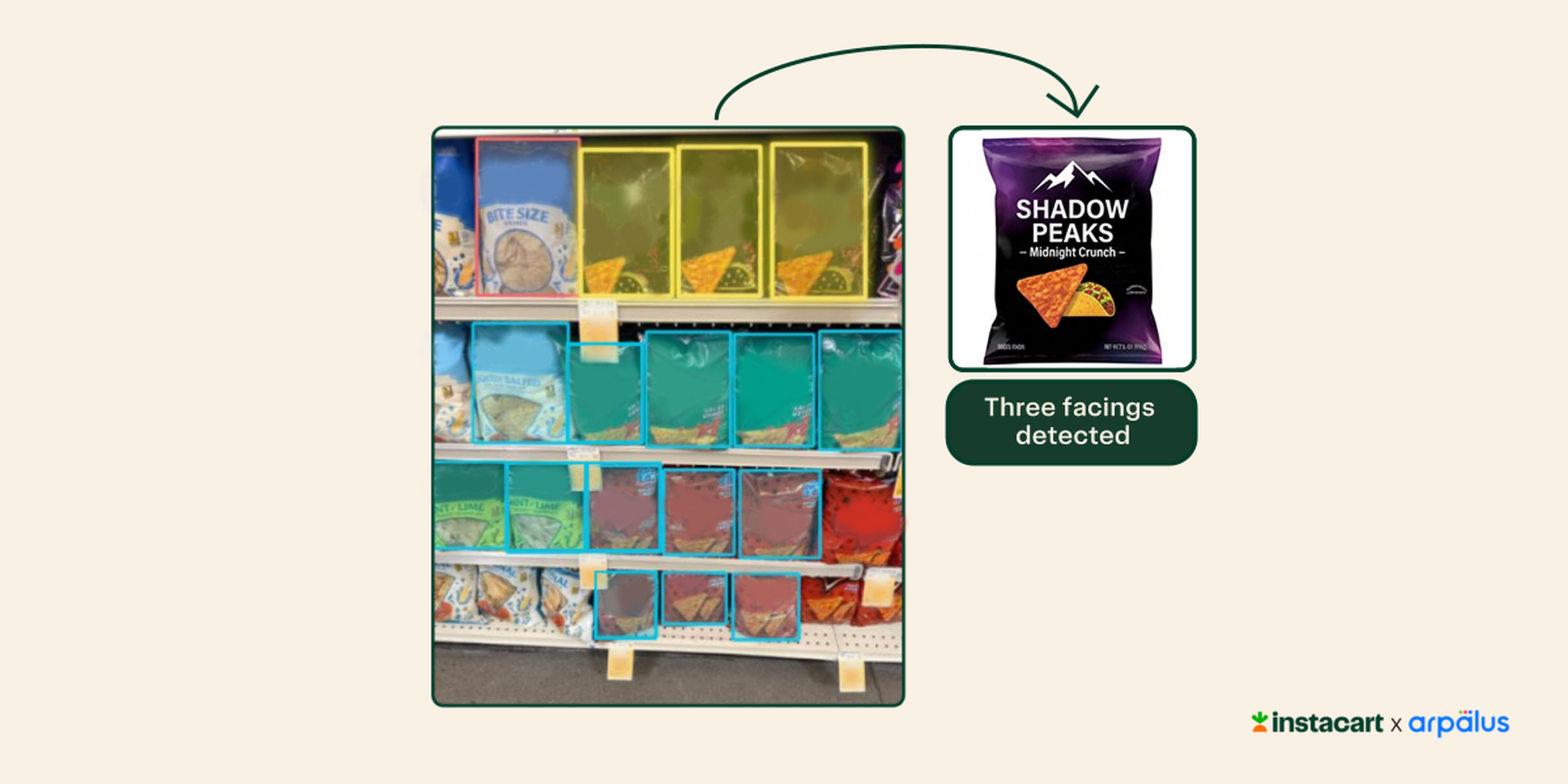
Grocery-tech giant Instacart (NASDAQ: CART) has acquired Israeli computer-vision startup Arpalus to bring real-time shelf intelligence to its Marketplace, Enterprise and connected-store platforms. Announced July 16, 2026, the deal folds Arpalus founder and CEO Ofir Zilberberg's Tel Aviv-based team into Instacart's Physical AI push and adds shelf-video scanning to the 600,000-strong shopper network. Financial terms were not disclosed.
What Arpalus Brings
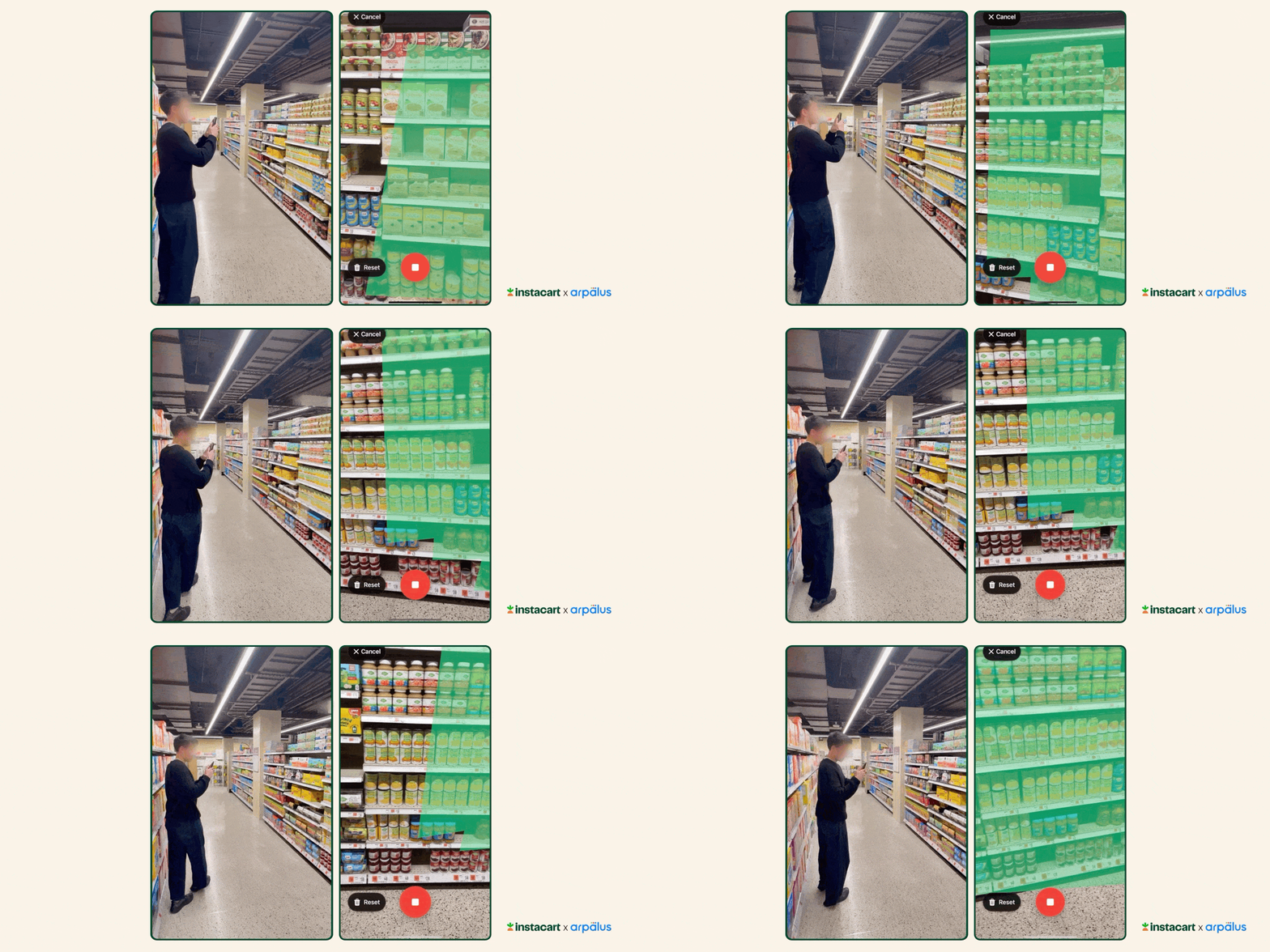
Arpalus, founded in 2019, converts a quick video scan of a store shelf into a real-time picture of what's actually there. Its computer-vision models — protected by U.S. and European patents — identify individual items with more than 95% average accuracy even in messy real-world environments: unreliable Wi-Fi, inconsistent lighting, and thousands of visually similar SKUs packed tightly together. The models run on any smartphone or camera-equipped device.
Why Instacart Bought It
Instacart said undetected out-of-stocks and catalog gaps are among the most persistent sources of customer dissatisfaction in online grocery, driving substitutions, cancellations and eroded trust. Arpalus becomes the shelf-truth layer feeding Instacart's Store View computer-vision product — piloted at McKeevers and Sprouts — and its Caper Carts, the AI-driven smart carts now deployed across more than 100 cities. Instacart said 600,000 Instacart shoppers visit large-format stores more than 15 times a day on average, generating over 10 million unique daily data points that will now flow into Arpalus's models.
The Physical-AI Play
David McIntosh, Instacart's chief connected-stores officer, framed the deal as central to the company's Physical AI strategy: "The future of grocery retail is a unified experience powered by Instacart intelligence, where what happens in store connects seamlessly to ecommerce in real time." Zilberberg said Arpalus was built to bridge in-store activity and business decisions, "enabling faster and smarter decisions at scale."
A Fast-Consolidating Retail Vision AI Market
The Arpalus deal is the second major retail vision AI acquisition in as many weeks. On July 28, Cork-based Everseen acquired RadiusAI's Viztel portfolio to extend its Vision AI platform from checkout to full-store analytics. Earlier this year, chipmaker Microchip agreed to buy edge-AI vision company Hailo. The direction is clear: physical retail is buying computer-vision AI at pace, and shelf accuracy is becoming a competitive moat.
Reporting based on coverage from Instacart, PR Newswire and Digital Commerce 360.