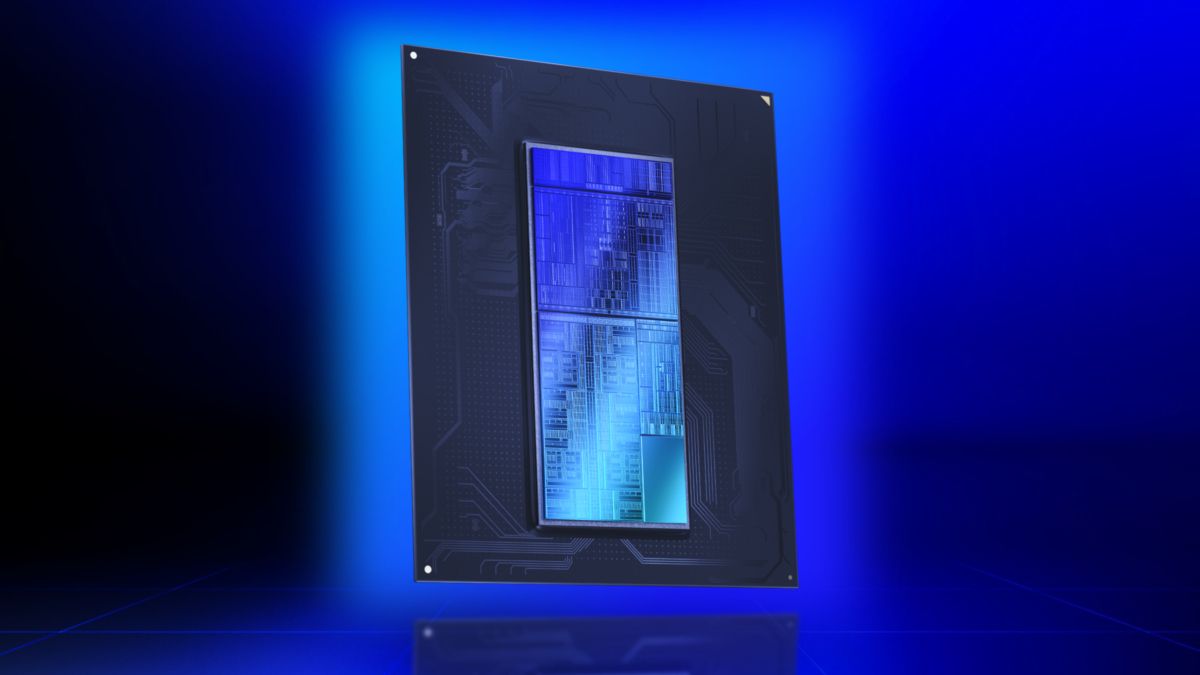
Intel has become the first semiconductor company anywhere to mass-produce a logic chip built on ASML's next-generation High-NA extreme ultraviolet lithography scanners, ASML confirmed alongside its Q2 2026 earnings on July 15. Select layers of Intel's Panther Lake laptop processors on the 18A node are now running through the 0.55 NA EXE tools at yields that match the incumbent 0.33 NA NXE scanners.
Dual-qualified layers on 18A
ASML said the qualified Panther Lake layers are 'dual-qualified' - meaning the same design can be exposed on either an existing 0.33 NA NXE scanner or the newer 0.55 NA EXE, with wafers that come out interchangeable. That flexibility is decisive for capacity planning at Intel's Oregon facility and quietly signals that High-NA is now a production-ready option, not a research tool.

Why matched yield matters
Prior High-NA milestones - first wafer, first test die - all left open whether the newer scanner would take a meaningful yield penalty at scale. Matched yields close that door and let Intel Foundry commit High-NA capacity to Panther Lake's Core Ultra Series 3 line, which launched at CES in January and has been shipping since January 27. It also gives Intel a claim to a lithography lead over TSMC, which is not expected to move High-NA into volume production before 2027.
ASML raises 2026 outlook
ASML's Q2 revenue crossed EUR 8.35 billion with Q3 guidance signaling continued strength. The company also nudged its 2026 sales range higher, citing AI-chip capacity demand. Intel's Foundry win compounds pressure on TSMC's Arizona expansion and hits at a time when Nvidia is shipping Vera Rubin silicon in volume.
Reporting based on coverage from Tom's Hardware, ASML, XenoSpectrum and Intel.