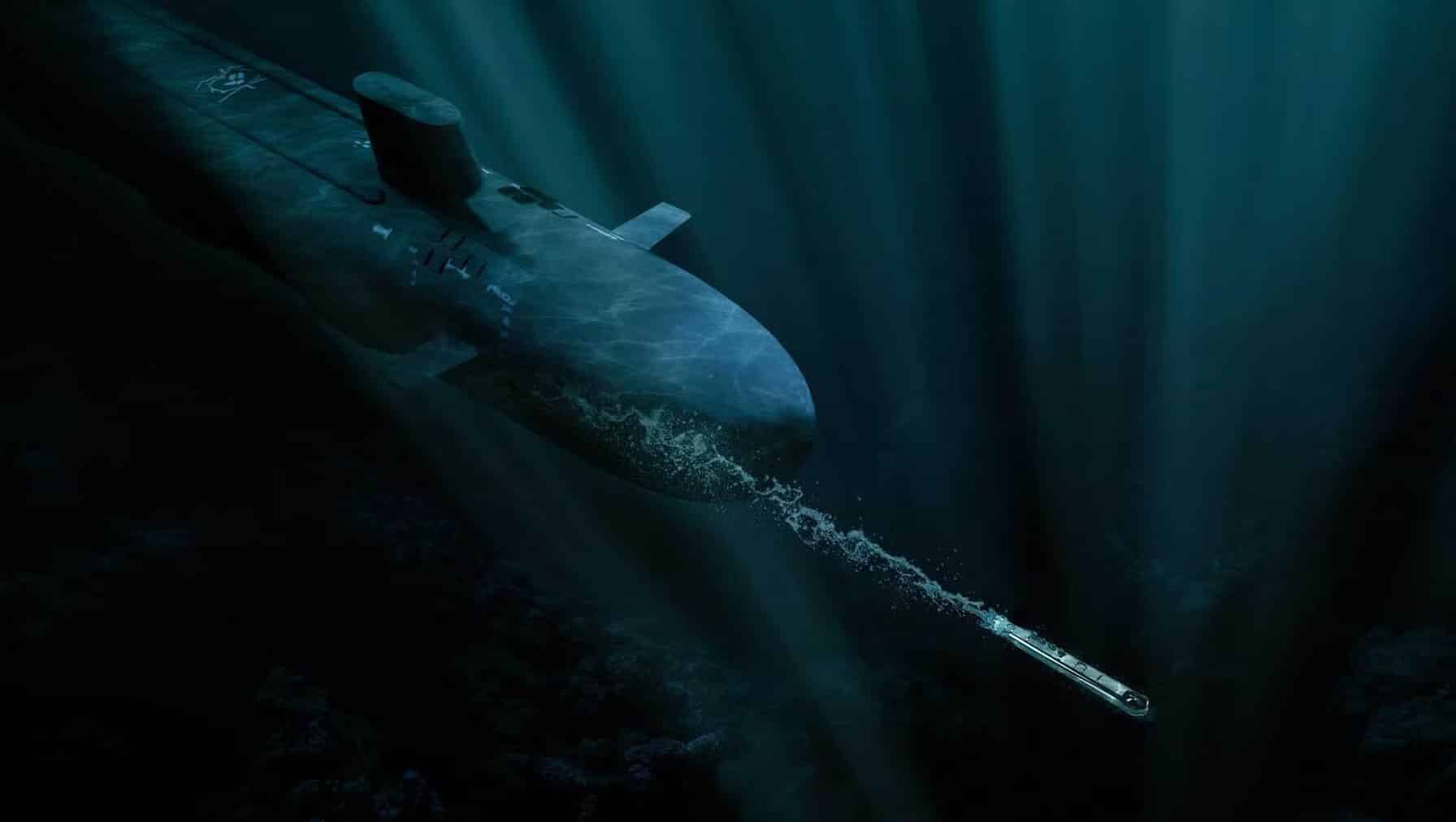
L3Harris is moving the Iver4 900 autonomous undersea vehicle (AUV) into production under a previously undisclosed Defense Innovation Unit effort that aims to give US Navy attack submarines a torpedo-tube launch and recovery underwater drone, the company said at the Sea Air Space 2026 symposium in National Harbor, Maryland.
An Underwater Wingman for Attack Submarines
The Iver4 900 is being pitched as an organic sensor for the Navy's subsurface fleet, capable of handling missions that the service has historically asked sailors to perform manually. L3Harris VP and General Manager of Integrated Systems and Encryption JR Gear described the AUV as a submarine's "dive buddy," handling "dull, dirty and dangerous" tasks such as forward intelligence collection, mine warfare and seabed mapping.
According to Gear, the system is being matured in at-sea exercises with Virginia-class submarines, allowing L3Harris and the Navy to iterate the design and concept of operations before a wider fleet rollout. The program is being run by the Defense Innovation Unit, which has signed contracts to deliver several Iver4 900 units to the fleet for evaluation and early operational use.
Modular Payloads and Long Endurance
The Iver4 900 has swappable payload bays in the nose, mid-body and tail, allowing operators to reconfigure the vehicle with sonar arrays, seabed-mapping sensors, mine-countermeasure systems and third-party modules. The architecture is designed to let L3Harris and partners drop in new sensors as missions evolve.
Powered by lithium-ion batteries, the AUV can operate independently of its host submarine for 16 to 24 hours, extending to 40 hours when configured with a minimal payload. Because it is launched and recovered through standard torpedo tubes, the system does not consume valuable rack space inside the torpedo room.
Untethered Operations in Contested Waters
L3Harris said the Iver4 900 is untethered, supporting extended-range operations "dozens of miles" from the host submarine. Gear declined to detail how the vehicle communicates with the boat over those distances, referring questions on operational use to the Navy.
The pitch fits a broader US Navy push toward unmanned systems below the surface. The service recently selected seven Medium Unmanned Surface Vessel designs for prototyping, while shipbuilders are also exploring concepts like Navantia's LASV75 uncrewed warship.
Why It Matters
If fielded across multiple classes of attack submarines, the Iver4 900 would mark one of the first operational examples of "loyal wingman" concepts extended into undersea warfare. By offloading ISR and seabed-mapping work onto an autonomous platform, the Navy hopes to keep submarines focused on higher-priority targeting missions while expanding the kill chain. The program also reflects the Pentagon's broader appetite for AI-driven autonomy, evidenced by a wave of counter-drone and unmanned awards alongside a sharp rise in military AI adoption.
L3Harris said it will continue developing new payloads with third-party partners as the Iver4 family scales, with at-sea evaluations on Virginia-class boats expected to shape the operational doctrine for future fleet-wide deployments.
Reporting based on coverage from Naval News.