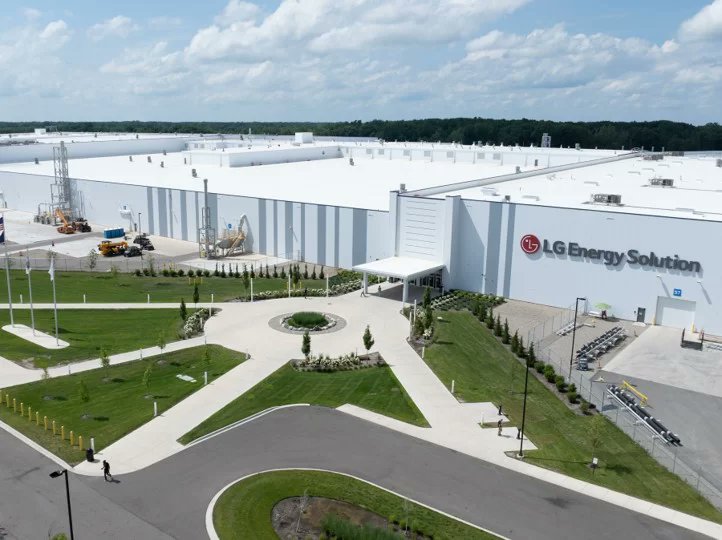
LG Energy Solution on August 18 officially opened a $4 billion battery gigafactory in Lansing, Michigan built to supply lithium-iron-phosphate cells for Tesla's next-generation Megapack 3 utility-scale energy storage system, converting a former GM-partnered facility into a dedicated Tesla supply node.
$4.3B supply contract runs through July 2030
The Lansing plant will supply LFP prismatic cells to Tesla Energy under a $4.3 billion supply agreement covering the period from August 2027 through July 2030, with extension options. Design capacity is 50 GWh per year at full ramp — well above the 35 GWh figure cited at today's opening, giving both sides headroom to expand as demand grows.
From Ultium Cells to a Tesla-first facility
The site started life as Ultium Cells 3, a joint venture between LG Energy Solution and General Motors. When the automaker's EV joint venture wound down, LG acquired GM's stake in May 2025 and pivoted the campus toward stationary energy storage rather than passenger EV cells — a signal of how quickly the utility-scale battery market has overtaken passenger EVs as the near-term growth story for battery makers.

Why Megapack 3 needs LFP prismatics
Tesla's Megapack 3 is a meaningful engineering step from its predecessor: each unit delivers 5 MWh of usable capacity and uses a redesigned thermal-management architecture derived from the Model Y heat pump, cutting the number of connections by 78%. That simplified thermal bay only works with a cell format matched to the new geometry, and LFP prismatics fit the brief. LFP chemistry also brings lower thermal-runaway risk and longer cycle life — both critical when hundreds of units are stacked at a single grid site.
Domestic supply for tariff and IRA-content plays
Sourcing LFP cells inside the US reduces Tesla's exposure to Chinese-import tariffs and shipping lead times while unlocking federal and utility contracts that carry domestic-content thresholds under the Inflation Reduction Act. Tesla's Lathrop Megafactory has similarly tilted toward North American LFP feedstock, and the Lansing plant now gives Tesla Energy a second, larger domestic node feeding its Megapack roadmap.
A structural pivot to grid storage
For LG Energy Solution, the pivot from Ultium to Megapack is strategically clean: passenger EV volumes have been uneven, while grid storage demand is accelerating as utilities pair batteries with solar and wind. Locking in a long-term contract with the world's largest Megapack buyer gives Lansing a predictable demand floor while LG builds out its broader energy storage portfolio, including recent deals with Terra-Gen and other US utility developers.
Reporting based on coverage from BASENOR and EnergyTrend, citing LG Energy Solution and Tesla supply-chain disclosures.