MassRobotics is partnering with the Massachusetts Port Authority to convert a former restaurant at Boston's historic Fish Pier into a dedicated marine robotics testing facility. The announcement, made in mid-November 2026, calls for programming to start in 2027 and the facility itself to open in early 2028.
What will the new facility actually offer?
The site, in the former No Name Restaurant building, sits a 10-minute walk from MassRobotics' existing headquarters at 12 Channel Street in South Boston. It will include a water tank for controlled testing, a float alongside the pier for direct harbor access, lifting and launch equipment for getting vehicles in and out of the water, and an adjacent machine shop for design and fabrication. Executive Director Tom Ryden summed up the pitch bluntly: founders can build in the shop in the morning and test in the harbor by afternoon.
Why does direct water access matter so much for marine robotics startups?
Testing underwater or surface robots has traditionally meant renting a boat, trucking a prototype to a lake or coastline, or scheduling time at a shared tank, all of which slow down iteration cycles for small teams. MassRobotics, which already supports more than 100 resident startups globally across its robotics programs, is betting that collapsing the distance between a workshop and open water from a day trip to a walk will let marine robotics companies test and fix problems far faster than competitors working out of inland facilities.
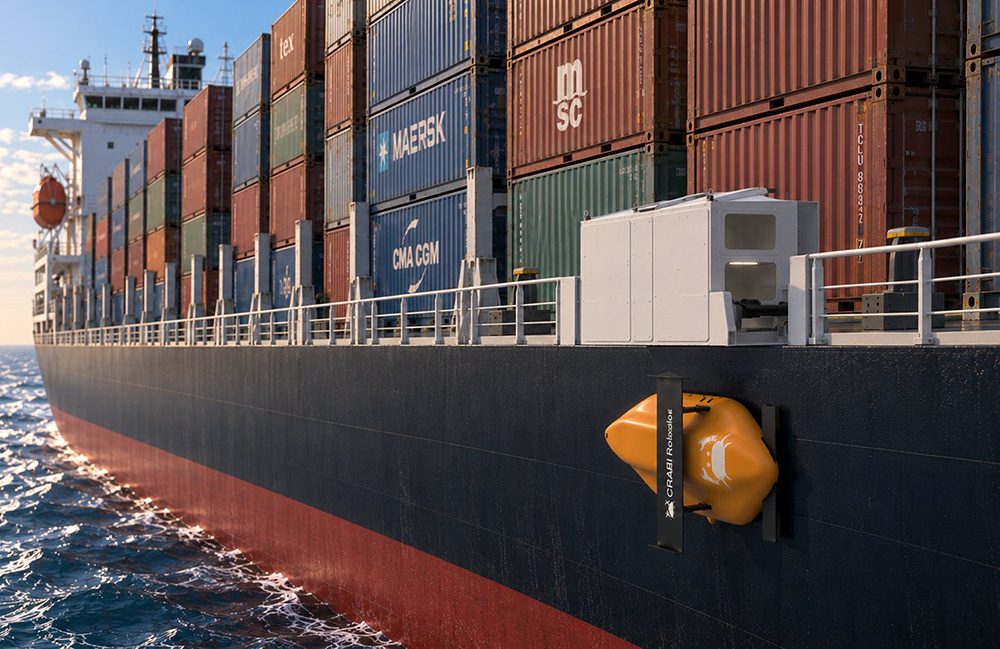
CRABI Robotics, a MassRobotics-affiliated startup that builds underwater hull-cleaning robots, is an early beneficiary of the plan. CEO Levi Gershon said a facility on the harbor, steps from where a company builds, will help the next marine robotics company move a lot faster, framing the project as infrastructure the sector has been missing rather than a one-off perk.
How does this compare to other robotics testing infrastructure?
Dedicated marine testbeds are rarer than their industrial or aerial counterparts; most marine robotics developers rely on university oceanography departments, naval research facilities, or ad hoc arrangements with port authorities. By pairing a public port authority's waterfront access with an established robotics accelerator's startup pipeline, MassRobotics is attempting to replicate for underwater and surface robots what dedicated test tracks have done for autonomous vehicles and drone ranges have done for UAV developers. Boston already has a maritime robotics cluster around companies like CRABI, and a shared facility could consolidate that advantage rather than leaving it scattered across the harbor.
What happens over the next two years before it opens?
MassRobotics and Massport have about 18 months of permitting, agreements and buildout ahead before the facility is ready, with startup programming starting in 2027 even as construction continues. The gap between announcement and opening gives the companies time to recruit resident startups and line up equipment, but it also means the first wave of benefits, faster iteration and lower testing costs, won't materialize until 2028 at the earliest.