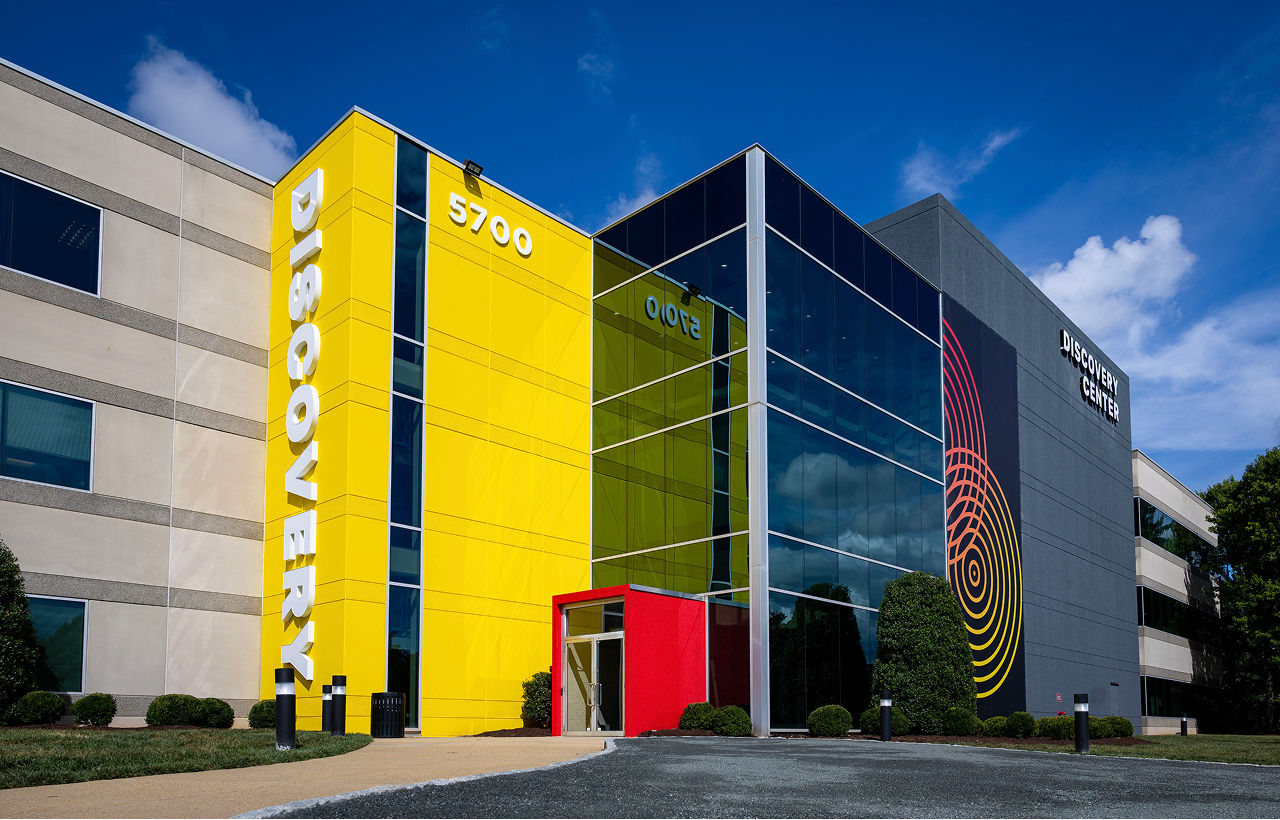
Microsoft on September 22 inaugurated a 15,000-square-foot quantum research center at the University of Maryland's Discovery District in College Park - the first Microsoft site engineered to hand outside government researchers direct, on-site operational control of the company's Majorana 2 topological quantum processor.
Live Majorana 2, On-Site Under DARPA
The new center hosts a production Majorana 2 system that the Defense Advanced Research Projects Agency (DARPA) will evaluate as part of its Underexplored Systems for Utility-Scale Quantum Computing programme. DARPA researchers will have permanent workstations inside the lab and hands-on control of the machine - a step past remote cloud access to an actual physical instrument for adversarial testing.
Topological Qubits Go To Government
Majorana 2 relies on Microsoft's topoconductor material stack to host Majorana zero-mode qubits - the same architecture Microsoft argues can eventually scale to million-qubit machines needed for chemistry, materials and cryptography. Placing hardware inside a DARPA-accessible facility is Microsoft's answer to critics who have questioned public benchmarks on the technology.
Quantum Race Widens
The Maryland opening lands as Microsoft's rivals plant flags of their own: Atom Computing has announced plans to bring a 50-logical-qubit Magne machine to QuNorth Denmark by early 2027, and IonQ signed its first Asia-Pacific quantum networking deal. Microsoft's bet is that giving DARPA physical, adversarial access will prove Majorana isn't just a research demo.
Reporting based on coverage from Microsoft Quantum, Quantum Insider, Quartz and Quantum Zeitgeist.