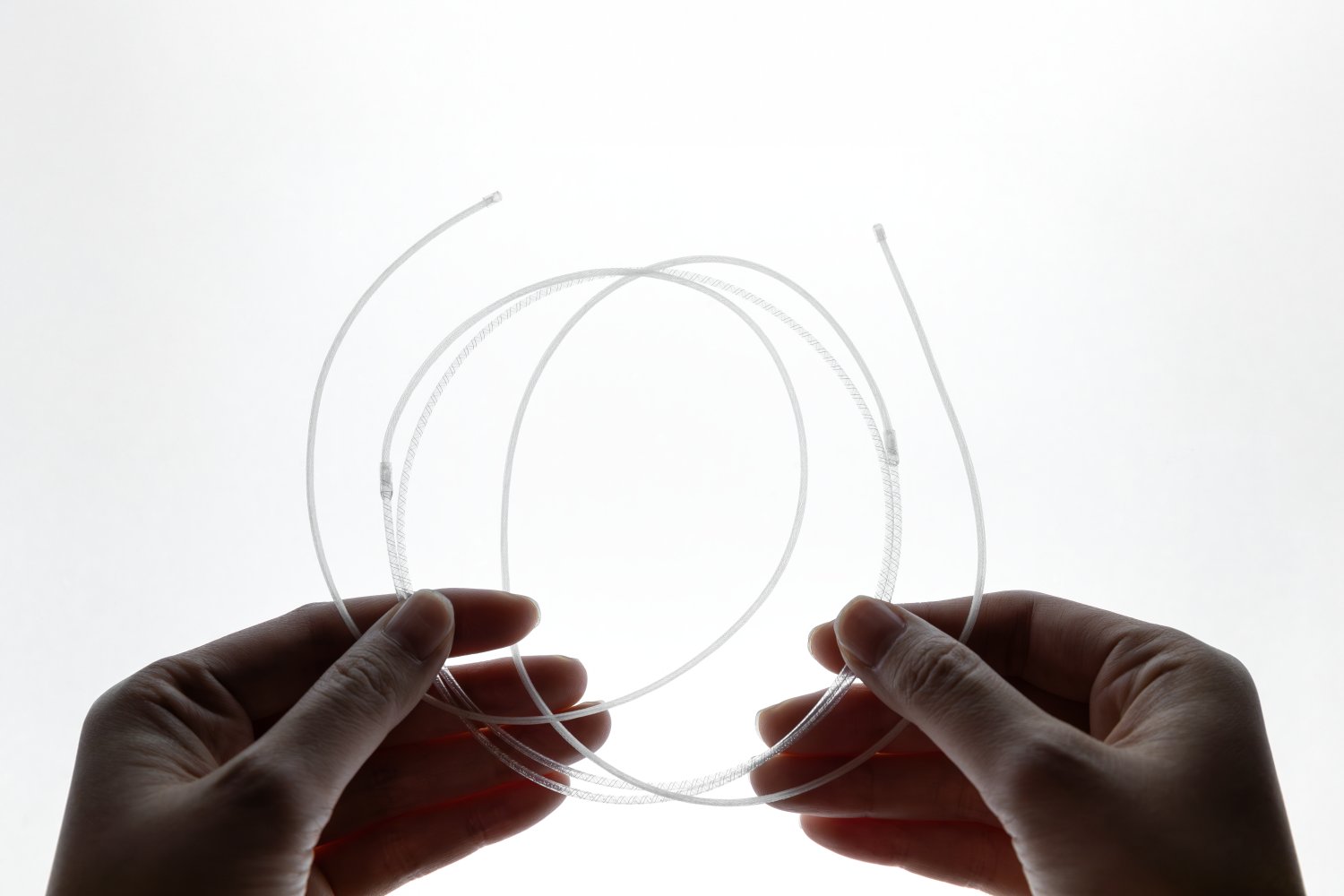
MIT researchers have developed a new type of electrically driven artificial muscle fiber that responds directly to electrical signals, eliminating the need for complex actuation systems in robotic applications.
The breakthrough technology allows artificial muscles to contract and expand using electrical stimulation, mimicking natural biological muscle behavior. This direct electrical control method reduces system complexity and improves response times compared to existing pneumatic or hydraulic alternatives.
Applications in Robotics and Prosthetics
The artificial muscle fibers could enable more responsive humanoid robots and advanced prosthetic limbs. Current robotic systems rely on motors and gears that add weight and mechanical complexity.
The electrical activation system provides precise force control and faster response rates. This technology addresses key limitations in current artificial muscle designs that require external pumps or heat activation.
Technical Breakthrough Details
The MIT team's approach uses specialized materials that change shape when electrical current is applied. The fibers maintain their structural integrity through repeated activation cycles.
Research continues on scaling the technology for commercial applications. The team expects prototype testing in robotic systems within 18 months, with potential medical device applications following regulatory approval processes.