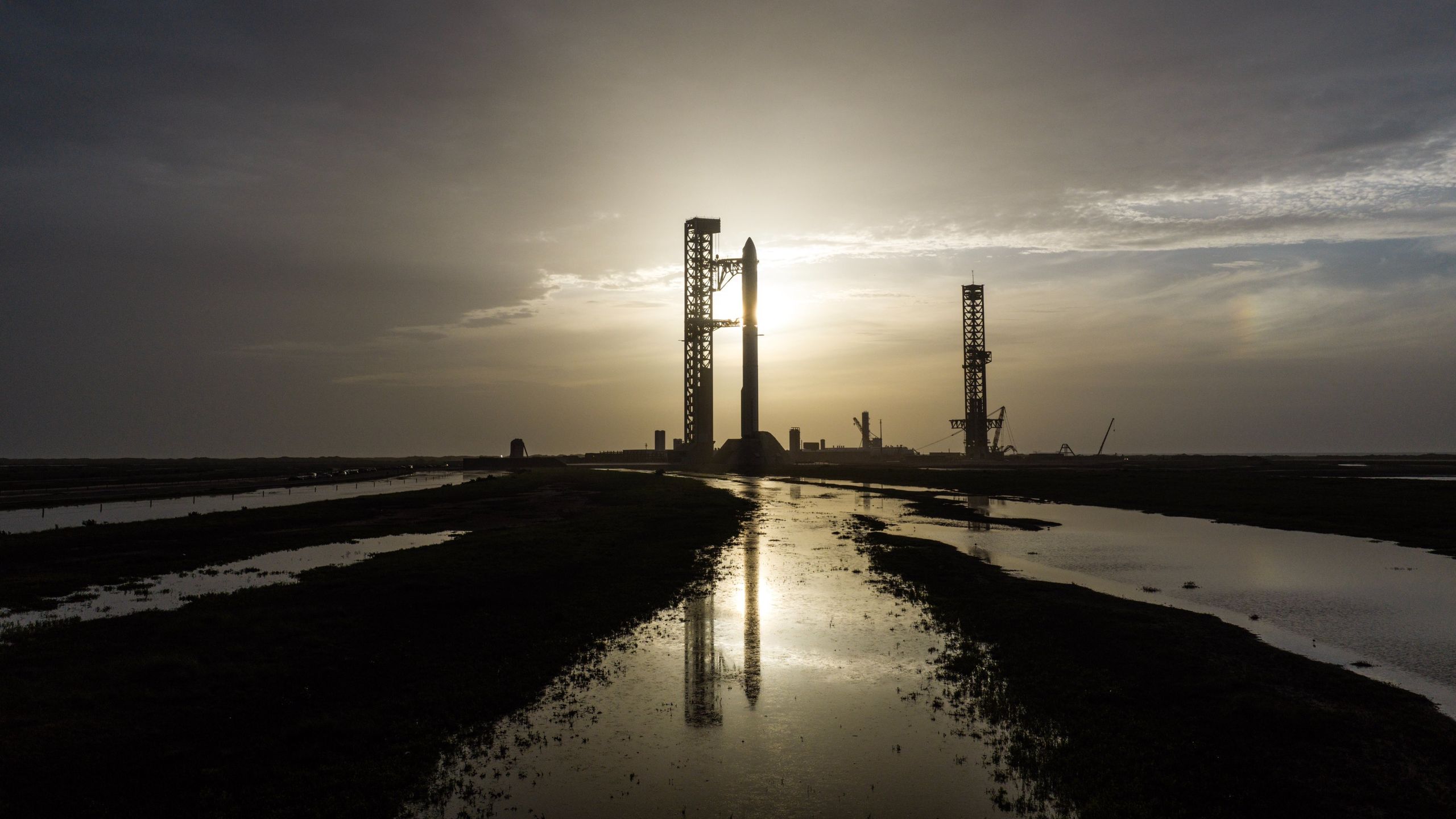
SpaceX is set to launch the 13th test flight of its Starship megarocket from Starbase in South Texas at 6:45 p.m. EDT on Thursday, July 23, with a 90-minute window and a first-of-its-kind operational payload: 20 next-generation V3 Starlink satellites.
A Second Attempt After The July 16 Abort
The mission is a re-flight of the attempt that was aborted at T-40 seconds on July 16, when four of Super Heavy's 33 Raptor 3 engines failed to ignite. SpaceX rolled the fully stacked vehicle back to the launch mount this week after software and hardware fixes. This is the second Starship mission of 2026 and only the second flight of Starship Version 3, the operational variant that will fly NASA's Artemis III test and land Artemis IV astronauts on the Moon.
First V3 Starlinks On A Suborbital Trajectory
Starship's upper stage will target a controlled splashdown in the Indian Ocean off Western Australia roughly 65 minutes after liftoff. Along the way it will deploy 20 V3 Starlinks through the PEZ dispenser slit, each weighing about 2,000 kilograms — roughly six times the mass of a first-generation V1 satellite. The satellites will extend solar arrays and antennas and attempt laser links with the wider Starlink constellation before demising on reentry.
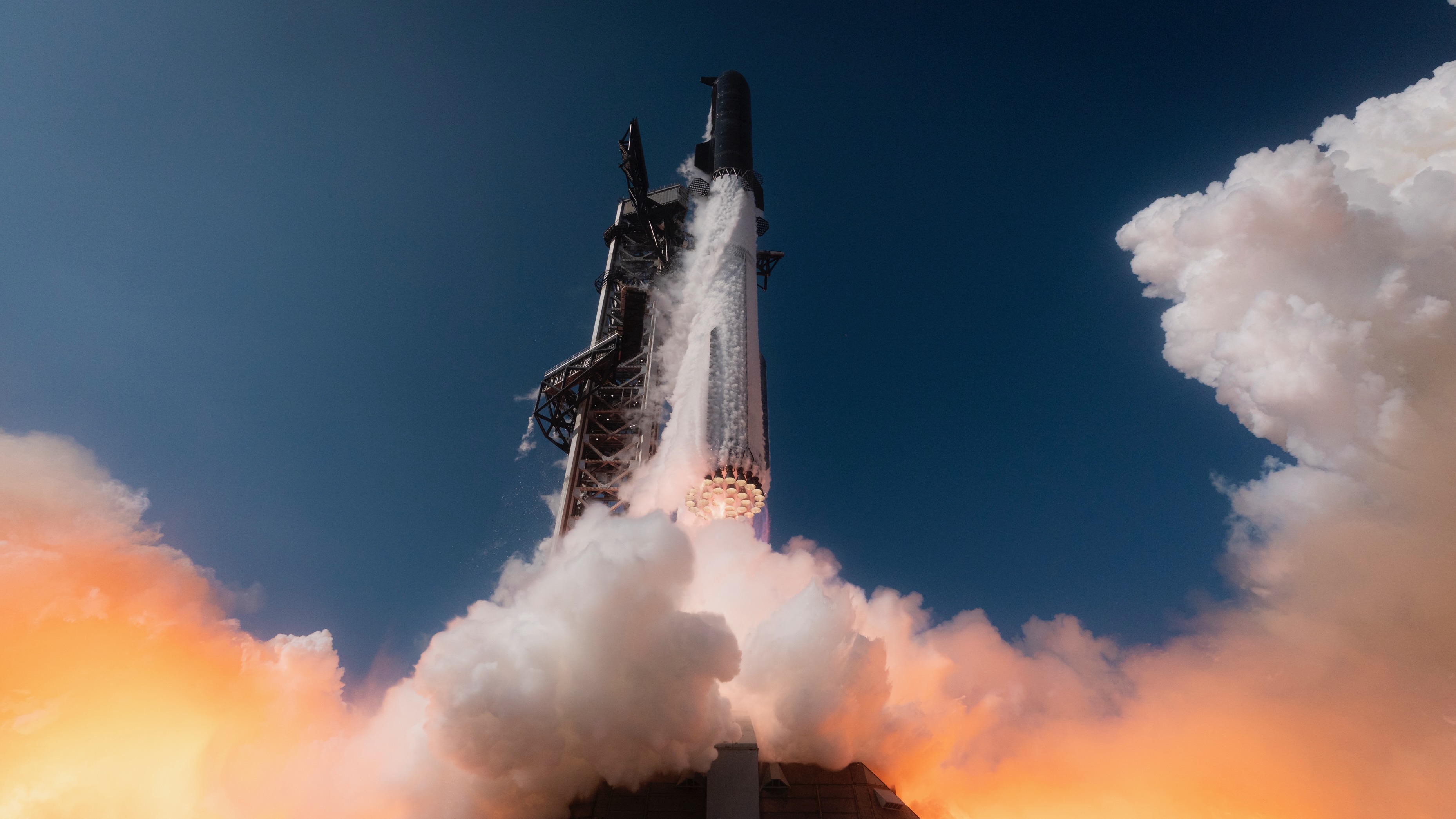
Booster Landing And Heat-Shield Experiments
Super Heavy will attempt a controlled water landing in the Gulf of America about seven minutes after launch. Six of the 20 V3 Starlinks are equipped with cameras that will image Ship's heat-shield tiles during ascent, and the shield now carries load-sensing tiles designed to withstand higher dynamic pressure in exchange for greater payload-to-orbit capability. SpaceX ultimately plans to catch Ship with the tower "chopsticks," a maneuver never yet attempted.
SpaceX has said it wants to grow to as many as 100,000 V3 Starlinks in low Earth orbit; the current constellation totals about 10,800 spacecraft. The July 23 mission follows SpaceX's 33-engine static fire earlier this month and comes alongside a raft of separate U.S. defense space contracts.
Reporting based on coverage from SpaceX, Space.com and IBTimes UK.