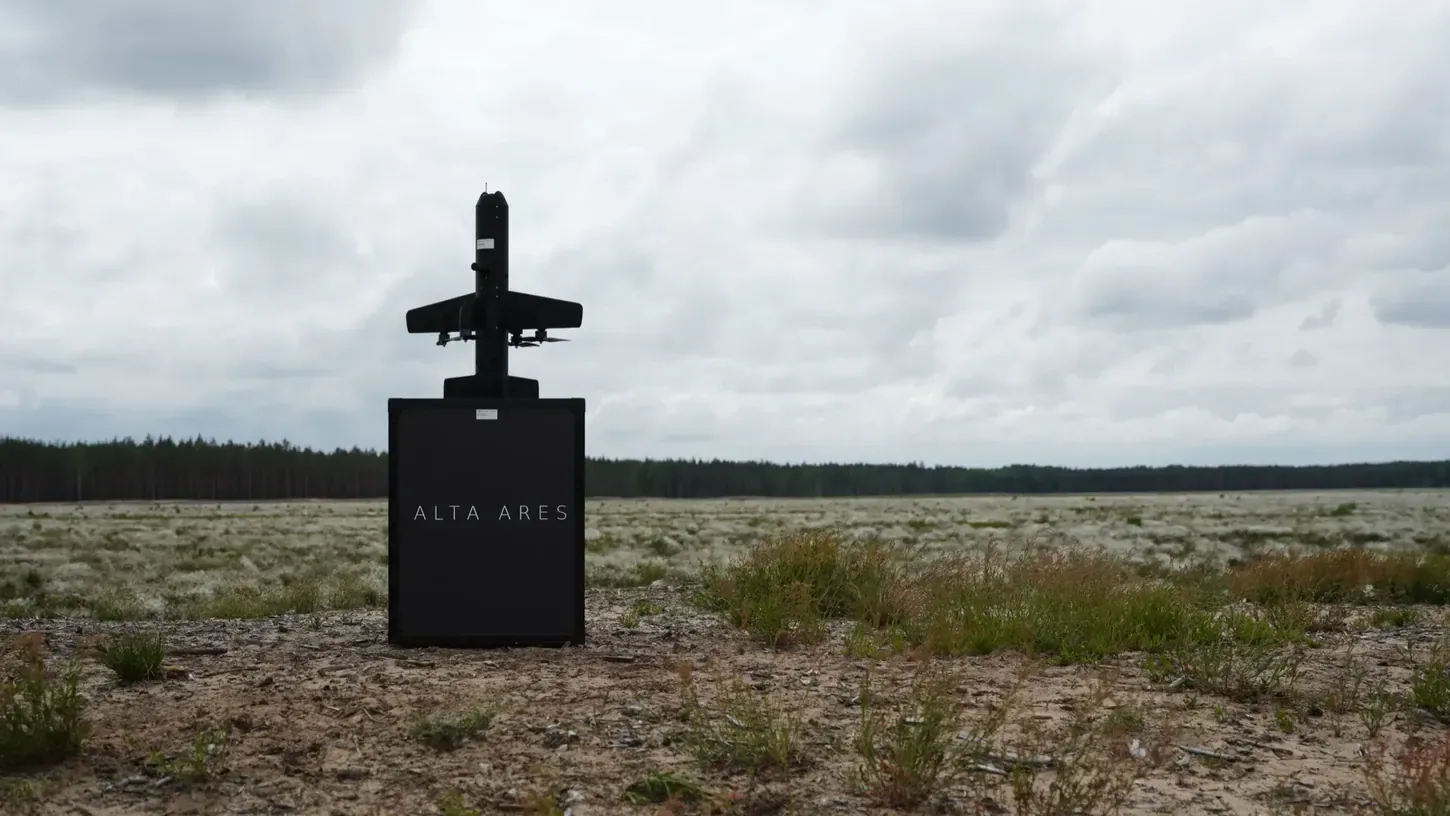
A French startup barely two years old just out-competed Northrop Grumman on NATO's shopping list for weapons that shoot down drones. NATO's Communications and Information Agency opened a counter-drone marketplace on November 5, 2026, listing 16 systems from five companies that member states can now purchase without running their own tenders — and Alta Ares says it won six of those 16 lots, more than any other supplier, according to DroneXL.
A Marketplace Built for Speed, Not Prototypes
The catalog, part of NATO's Drone Edge initiative, works differently than a traditional defense tender. Instead of soliciting new bids for each contract, allied governments can pick directly from a pre-vetted list and buy, lease or lease-to-own counter-drone systems within weeks rather than years. Roughly 85 companies originally applied; only five made the final cut alongside Alta Ares — Axon Enterprise, Northrop Grumman, OSL UK and Quantum Systems.
The eligibility bar excluded anything still in prototype or development. Every listed system had to show prior operational fielding or formal qualification, a requirement that traces back to a 2025 memo from the US Department of War pushing for combat-proven hardware over lab demonstrations. NATO has budgeted €3.1 million just for testing submissions, while the broader Drone Edge push commits allied nations to spending more than $40 billion on counter-drone capability over the next five years.
Battle-Tested Software Wins Over Bigger Names
Alta Ares, founded in France in 2024, built its pitch around software trained on real intercepts rather than simulated ones. The company's Pixel Lock computer-vision system and Cyclop C2 guidance platform have been running against Shahed-type attack drones and loitering munitions in Ukraine since 2024, and the company was reportedly the only supplier to down a target drone during NATO's own test trials in France.
Its hardware includes the X-Lock interceptor, which the company says has a range beyond 9 miles and can reach nearly 200 mph, plus a faster in-development interceptor called Black Bird, rated for roughly 435 mph and a 19-mile range. Alta Ares was the only supplier selected to cover area defense across all three NATO mobility categories — static, transportable and on-the-move — spanning point protection, 3-kilometer area defense, 20-kilometer border segments and moving-convoy protection at highway speed. Co-founder Hadrien Canter said the company's approach rests on treating interception as a single pipeline: "A counter-drone system has to work end-to-end."
Alta Ares raised €50 million in June 2026 and has a standing partnership with Airbus to co-develop European air-defense systems, positioning it to scale production as NATO allies start drawing from the new catalog. For a company that didn't exist before 2024, winning more lots than Northrop Grumman is a sign of how much weight combat data from Ukraine now carries in NATO procurement — arguably more than brand recognition or company size.
The marketplace itself marks a broader shift in how NATO buys drone-defense technology: rather than funding years-long development contracts, it is now rewarding systems that already work in the field, giving smaller, faster-moving companies a real shot at contracts that used to go almost exclusively to defense primes.